

Establishing an Indian business is a passion business with ambition and innovativeness. But under the passion and enthusiasm,
legal documents for Indian startups is the foundation of an obedient, investor-ready, and viable enterprise
Other founders overlook paperwork at the wrong time and are stuck with conflicts, investment problems, or penalties
This blog specifies the Top 10 legal documents every Indian startup needs, not just what they are, but why they matter Day One.
Certificate of Incorporation
What is it:
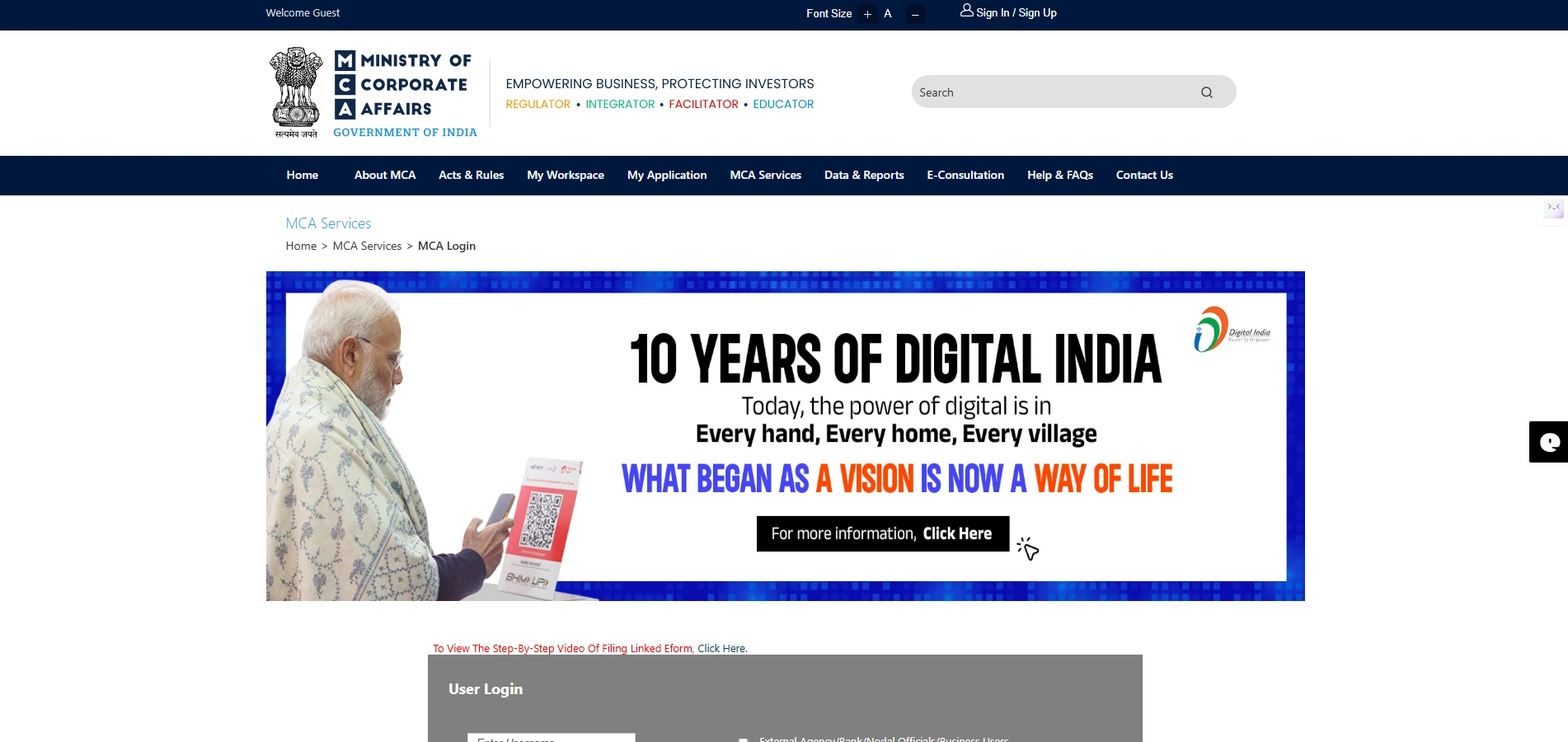
A Ministry of Corporate Affairs (MCA) certificate if your company is registering under the Companies Act, 2013.
Why is it important
- It gives your company as a legal entity.
- For opening bank accounts, To avail loans, raise capital, and for signing contracts.
- Create your Corporate Identification Number (CIN).
Where to get it:




From the MCA portal on Pvt. Ltd, LLP, or OPC registration
PAN (Permanent Account Number)
What is it:
A 10-digit alphanumeric income tax identification number provided by the Income Tax Department
Why your startup requires it:
- For payment of taxes, opening current account, and all financial transactions.
- For payment to traders, investor funds, and salary as per law
Apply through:
Official NSDL or Income Tax site
GST Registration Certificate
What is it:
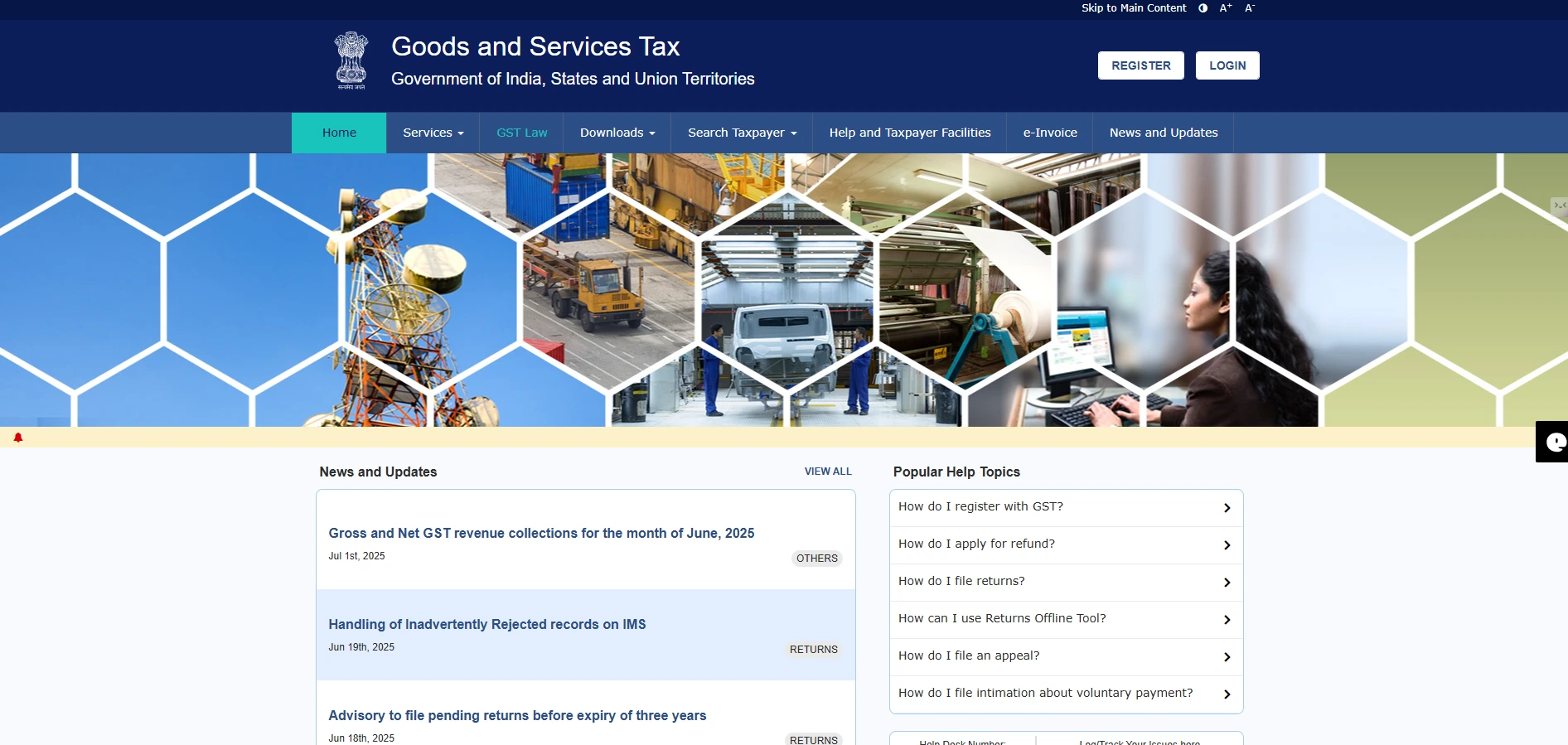
Document certifying that your company is registered under Goods and Services Tax regime.
Why it is required
- Compulsory if turnover in a year exceeds ₹20 lakh (service) or ₹40 lakh (goods).
- Compulsory for inter-state sale, e-commerce trade, and input tax credit.
Founders Agreement
What is it:
A founders agreement outlining roles, equity holding, responsibility, and exit mechanism
Why is it so important
- Avoids possible future disputes on ownership, control, or contribution.
- Resolves vesting schedules, decision-making, and IP ownership.
- Brings action and vision to all partners together.
Key clauses to include
Equity ratio, vesting period, dispute resolution, IP transfer, and co-founder exit.
Co-Founder Exit Clause
What is it
A standard clause added to the Founder’s Agreement defining terms on inactivity, termination, or co-founder exit
Why is it important
- Avoids abrupt loss of equity or confidential data.
- Protects startup valuation during fund-raising rounds.
- Enforces what unvested shares or founder obligations are on exit.
Shareholders Agreement (SHA)
What it is:
Shareholders (investors, ESOP-holding employees, and founders) agree to rights, works, and share of profit
Why it’s important
- Guards minority shareholder rights.
- Prevents illegal sale of shares.
- Comprises tag-along, drag-along, right of first refusal, and exit conditions provisions
Bonus: Safeguards investor-founder harmony through scaling and exits
Employment Agreements
What is it:
A legally binding agreement by the startup with employees outlining job responsibilities, pay, termination, and IP requirements
Why it’s important
- Legally binds the employees to work.
- Protects the company’s proprietary information and clients.
- Prepares probational terms, notice period, and code of conduct.
Non-compete, non-solicit, confidentiality, and invention assignment
Non-Disclosure Agreement (NDA)
What it is
An expert legal contract to keep confidential information revealed to third parties like investors, contractors, or freelancers
Why it is important
- Prevents misuse of sensitive business plans, product details, or IP.
- Utilized when pitching to investors, negotiating partners, or technology alliances.
- Conveys credibility and professionalism
Require Forms
Mutual NDA (both have confidential information) or One-way NDA (one gives information).
Website Terms of Use & Privacy Policy
What it is:
Legally website pages on your startup website or mobile app outlining user rights, restrictions, data gathering, and duties
Why it’s legally needed
According to IT Act 2000, all the sites collecting user data are required to define its use policy
Helps with GDPR or DPDP Act compliance (especially if your audience is international).
Provides you immunity in case of abuse or data breach
Add to Terms of Use
- Disclaimer of liability, activities prohibited, law governing, and user conduct.
- Append to Privacy Policy:
- Data collected, data retention period, use of cookies, and complaint contact information
MSME/Udyam Registration Certificate
What is it:
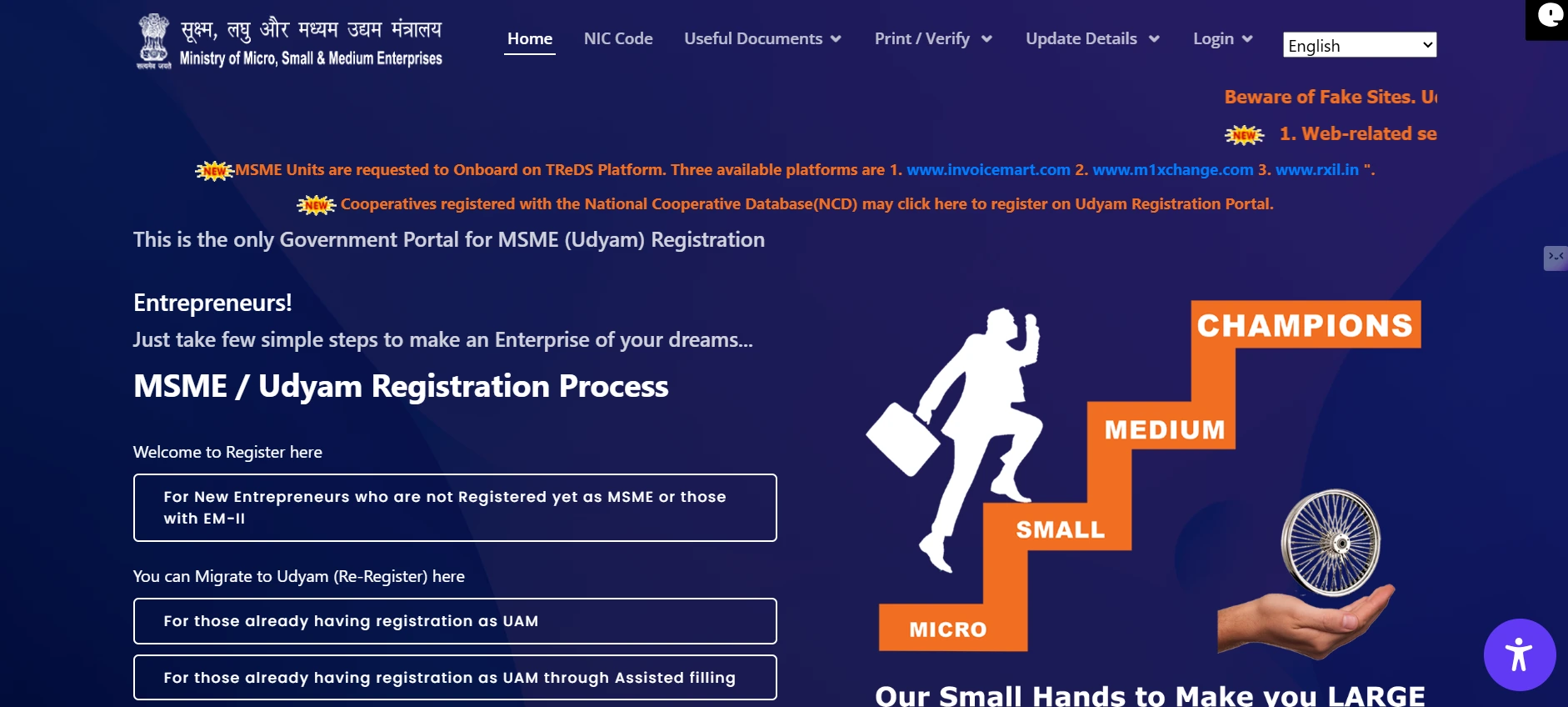
Is a Government certification of your business as a Micro, Small, or Medium Enterprise
Why it’s a strategic advantage
- Low-interest loans, tax concessions, and credit insurance cover.
- Preferential government tender and assured payment hold.
- Essential for most startup proposals and grants.
Register through Official Site
Conclusion
Today’s high-speed startup era is all about enthusiasm and imagination but it’s a matter of legal turf that decides if a company will be a success or blow up at the seams.
Whatever fintech product you’re building in Bangalore, developing an eCommerce solution in Hyderabad, or developing SaaS in Pune, these 10 legal documents are non-negotiable. They’re business-critical
They
- Protect your IP, brand, and equity
- Facilitate ease of co-founder relationships
- Establish investor and customer confidence
- Function in accordance with Indian law and regulations
- Make you fund-ready, acquisition-ready, and scale-ready
Disobedience of law as a startup founder is similar to building a house without a foundation.
The best time your legal papers should have been law compliant was yesterday second best today
Ensure the future of your startup by becoming law compliant
Because brilliant ideas take not just action, but also protection





Comments 1