
Startup funding in India 2026 is changing fast. Earlier, founders were mostly depended on Venture Capital and Angel Investors. Today, the Indian government is actively funding startups – especially in AI, Deep Tech, Education and Manufacturing.
With strong support under leadership of Narendra Modi, multiple schemes now offer grants, seed funding and global expansion support.
If you are building a startup in 2026, understanding government startup funding is no longer optional, it can give you early momentum without heavy equity dilution.
What Is Startup Funding India 2026
It is the new wave of investing in AI, deep tech, education, semiconductor research, climate innovation and India focused digital infrastructure.
Earlier, funding cycles driven by valuation, 2026 funding is disciplined and sector focused. Investors and government bodies are prioritising real technology, scalability and long-term impact.
The founders solving real Indian problems at scale are getting attention.
Why It Matters: Market Opportunity
The reason startup funding India 2026 matters is because capital is now disciplined. Now, investors focusing on fundamentals revenue clarity, unit economics, scalability and defensible technology.




India is the fastest growing digital economies globally. Digital infrastructure such as UPI, ONDC, Aadhaar based verification and API-driven ecosystems has reduced startup entry barriers dramatically.
This directly strengthens the case for startup funding India because, infrastructure risk is lower than ever before.
In this 2026, the biggest opportunities are not limited to metro-focused consumer apps. Startup funding India is strongly moving toward:
- AI-powered productivity tools for small businesses
- Deep tech research commercialisation
- Regional and vernacular education platforms
- Agritech and rural supply chain optimisation
- Healthcare diagnostics and Medtech innovation
- Manufacturing-tech and Semiconductor ecosystem startups
Investors are now selective. They want revenue clarity, scalability and strong execution. 2026 rewards disciplined founders.
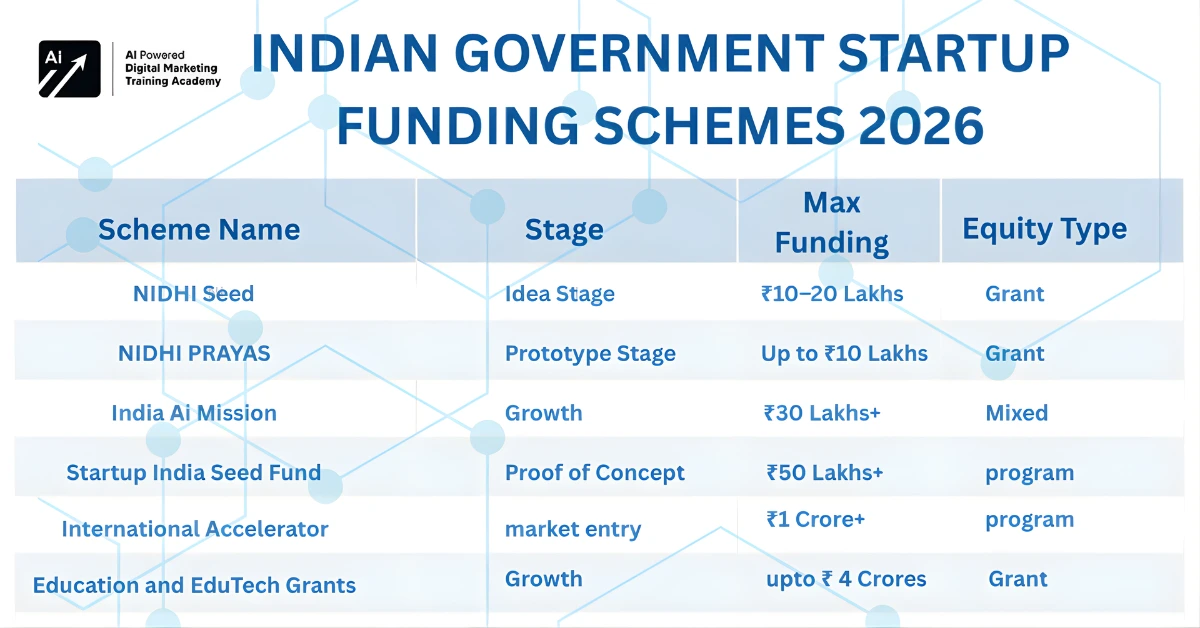
Let’s break this down clearly.
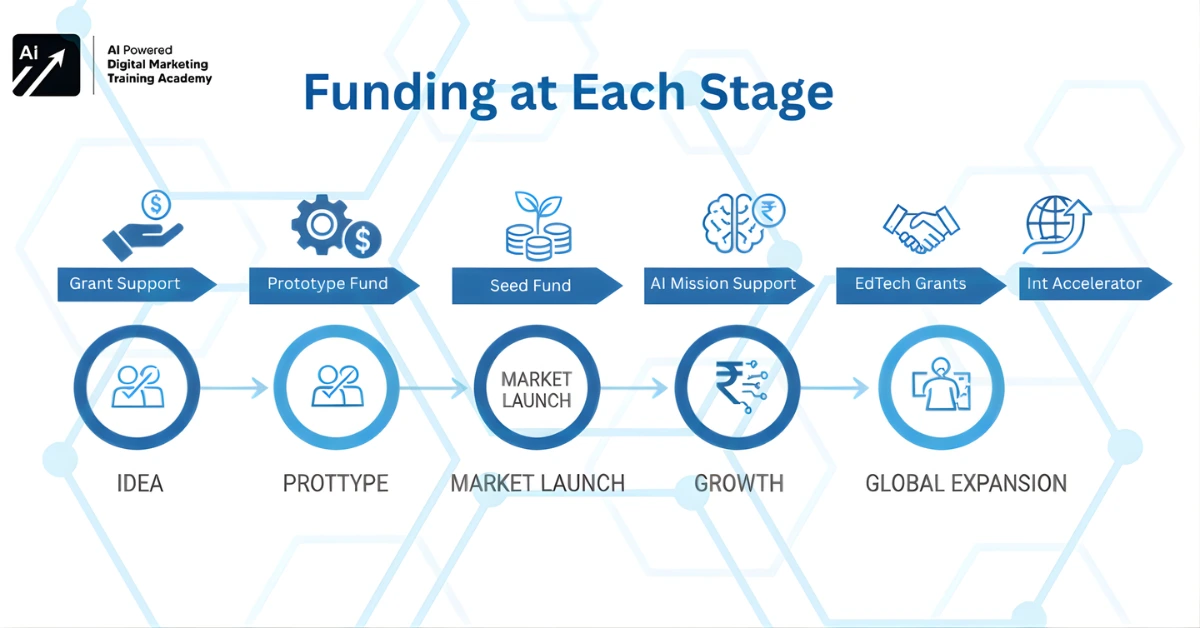
A. NIDHI Seed Support – Idea Stage
- ₹10–20 lakhs
- Equity: No equity
- Best for: First-time founders
You apply through DST-approved incubators.
This works well if you are still validating your idea.
B. NIDHI PRAYAS (Prototype Stage)
- Funding: Up to ₹10 lakhs
- Equity: No equity
- Best for: Hardware, IOT, Robotics, Deep Tech
This helps you build your first working prototype.
C. AI Startup Funding Under India AI Mission
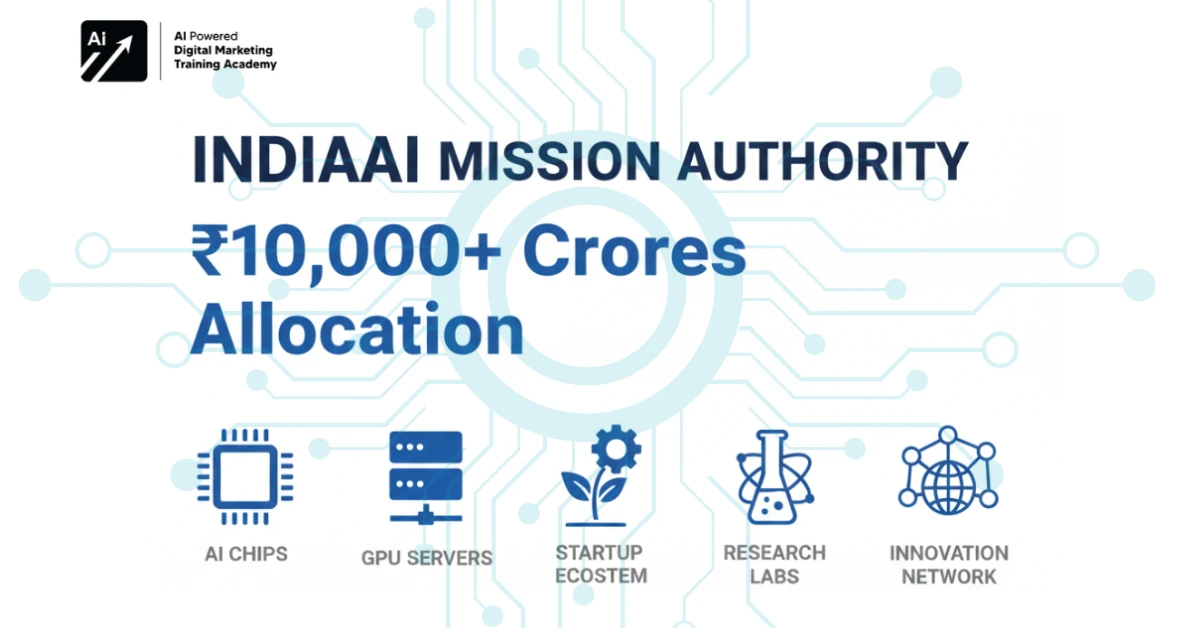
The India AI Mission has approved ₹10,000+ Crores to grow India’s AI ecosystem.
- AI startups may get:
- ₹30 lakhs+ program support
- GPU access
- Dataset access
- Research ecosystem backing
If you are building AI products, this is one of the strongest startup funding India 2026 opportunities.
D. Startup India Seed Fund Scheme – SISFS
- ₹20 lakhs – Proof of Concept
- ₹50 lakhs (Market Entry)
- DPIIT recognition required
This is structured seed funding for startups ready to commercialise.
E. International Accelerator Programs
- Funding: ₹1 Crore+ based on program
- Focus: US and global market entry
Ideal for SaaS based and Scalable Technology Startups.
F. Education and EduTech Grants
- Up to ₹ 4 Crores as Grants
- Focus: Learning platforms, skill-based tech, curriculum innovation
If you are building education products, 2026 is favourable.
Benefits of Government Startup Funding in India 2026
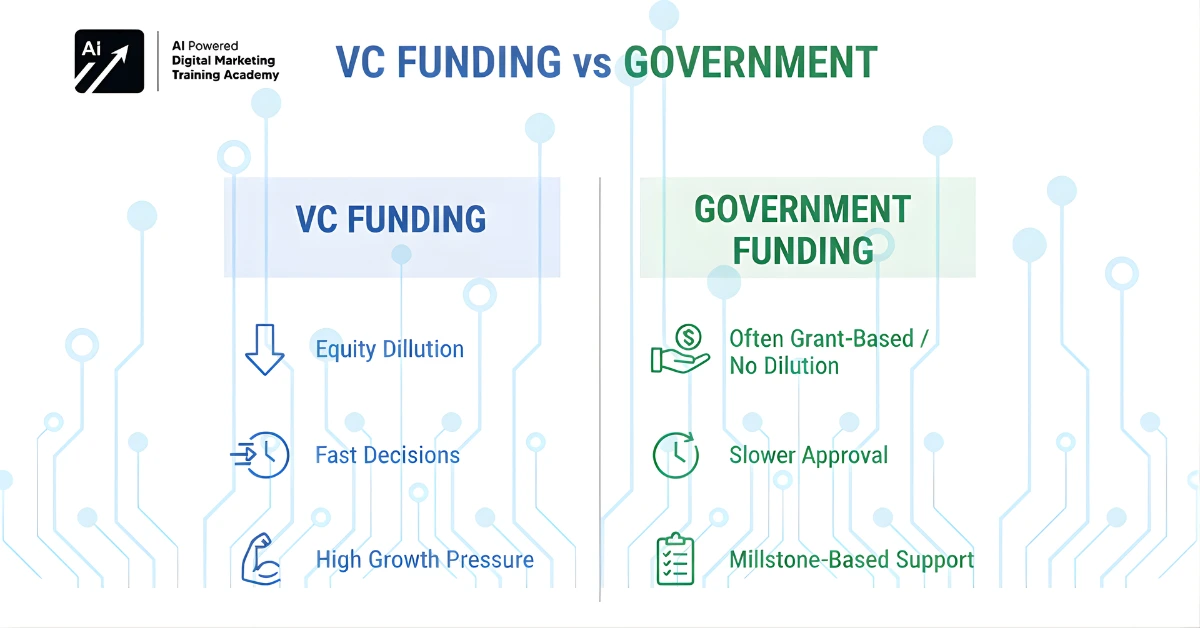
Government funding provides much more than capital like:
- Many schemes are grant-based (no early equity loss)
- Lower dilution pressure
- Gets Access to incubators and mentors
- Infrastructure support – labs, GPU’s, networks
- Strong validation when raising private capital
Government funding builds strong credibility.
Challenges and Risks of Government Startup Funding in India 2026
Government funding is structured, not easy money.
- Approval can take 4 – 12 weeks
- Documentation is strict
- Funds are milestone-based
- Compliance is mandatory
- Dependency on grants can slow real growth
Use it as support capital – not a replacement for revenue.
Practical Tips: How to Get Startup Funding in India 2026
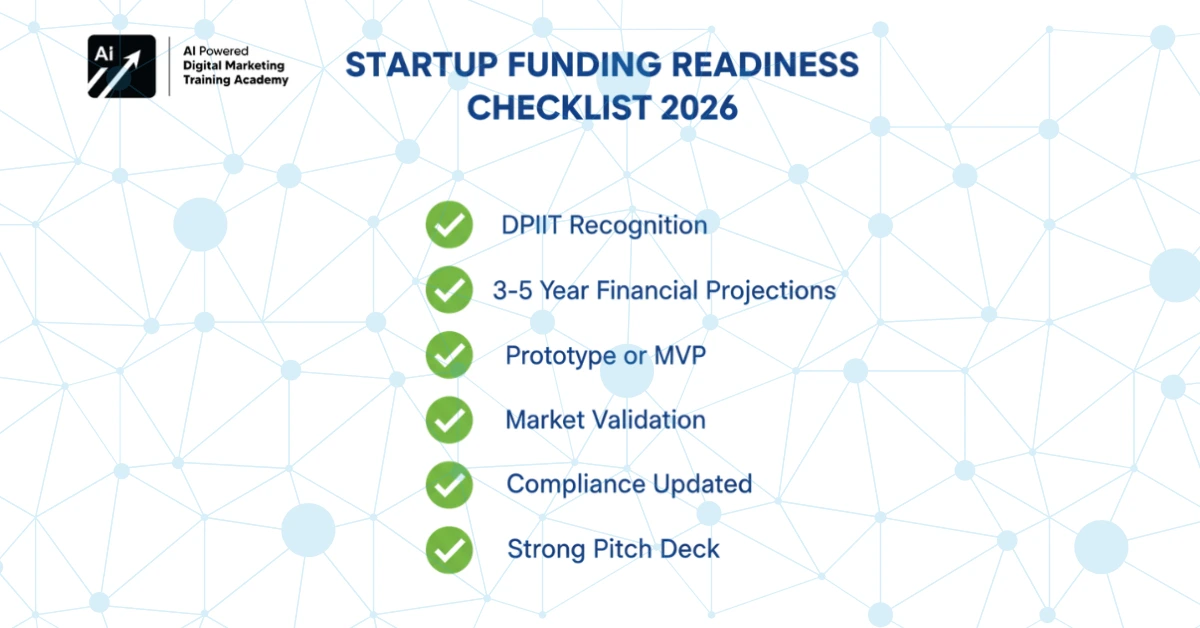
- Get DPIIT recognition early
- Prepare 3–5 year financial projections
- Show working prototype or traction
- Keep MCA and GST records clean
- Apply only to stage-matching schemes
Stage mismatch is one of the biggest rejection reasons.
Smart founders align with the right program, at the right time with the right documentation.
FAQ: Startup Funding India 2026
What is startup funding India 2026?
It is the current funding focused on AI, deep tech, education, semiconductor and IndI-focused startups aligned with national innovation priorities.
Why is startup funding India 2026 focused on AI and deep tech?
India is investing heavily in advanced technology to build long-term global competitiveness.
What does “build for Bharat” mean?
Creating scalable solutions for rural markets, MSME’s, agriculture, healthcare, and regional education.
Is startup funding equity-free?
Some schemes are grant-based. Private investors typically take equity.
Is DPIIT mandatory?
Yes, for most of the central government funding schemes.
Is 2026 a good time to raise funding?
Yes, if you have traction, strong fundamentals and sector alignment.
Conclusion:
Startup funding India 2026 is a real opportunity.
Crores are flowing into AI, deep tech, education, and frontier innovation. Founders building real solutions for Bharat have a strong advantage.
Government funding can reduce early dilution and improve credibility. But success depends on execution, compliance, and product strength.
The founders who win in startup funding India will:
- Build real products
- Solve real Indian problems
- Keep clean compliance
- Focus on steady growth
- The funding is available.
- The focus sectors are clear.
- Now it depends on execution.
If you are serious about raising startup funding in India 2026, prepare early. Get DPIIT recognition. Build traction. Keep your records clean. Apply strategically.
2026 will reward founders who build for Bharat.