

If you are applying for jobs every day but not getting interview calls, this blog on Resume Tips for Interview Calls is written for you. Each morning feels the same. You wake up, open job portals, search for new openings, update your resume a little, and click submit. You wait with hope. A few days pass. Then a few weeks. Still, there is no reply. No call. No email. Only silence.
When Job Applications Bring Only Silence
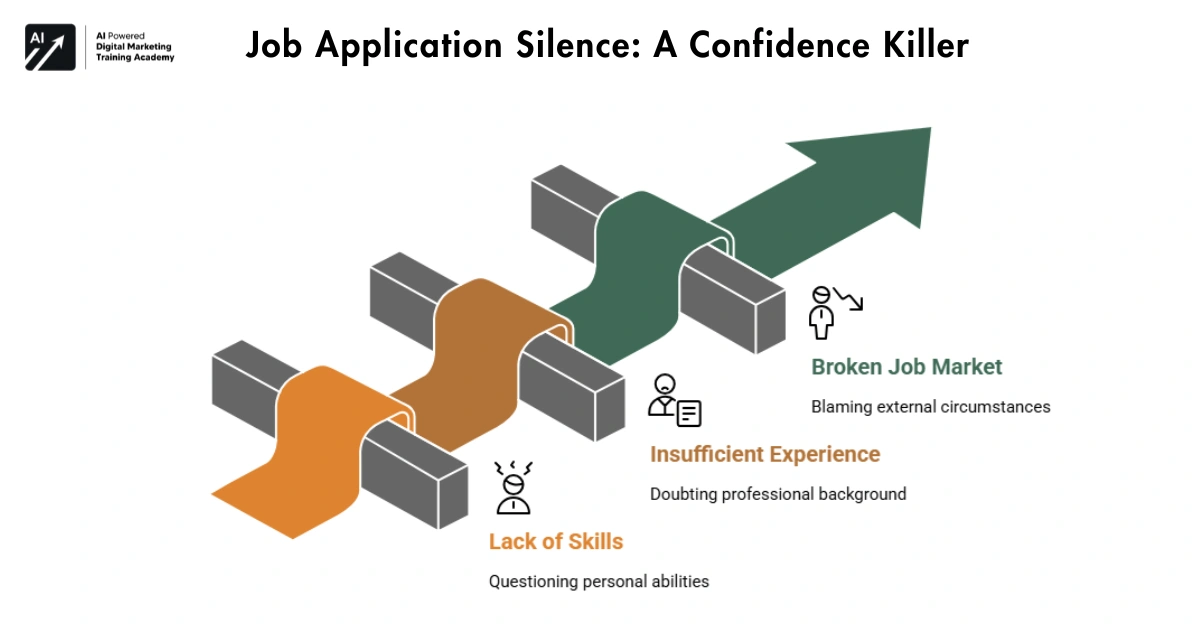 That silence slowly hurts your confidence. You begin to ask yourself hard questions:
- Am I not skilled enough?
- Is my experience not good?
- Is the job market broken?
You’re not alone. Many freshers, interns, working professionals, and even experienced persons feel the same way. Even strong candidates face this problem every day, and that’s normal.
The Real Reason Resumes Fail
After viewing personally 5,000+ resumes from freshers, interns, working professionals, and experienced candidates, one thing is clear:
Most resumes fail not because people lack talent, but because resumes are written in a way that silently blocks opportunities. The problem is not you. The problem is how your resume communicates your value.
How Hiring Really Works Today
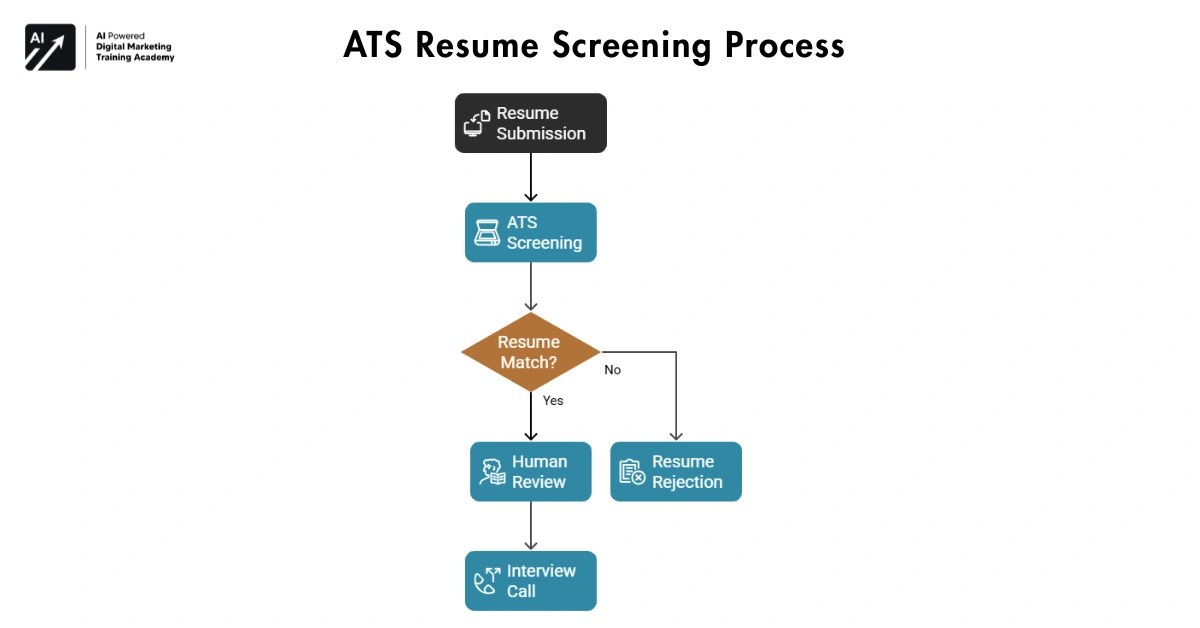 Today, companies do not read every resume by hand. A computer system checks your resume first. This Software is called the Applicant Tracking System (ATS). If your resume doesn’t match what the system is looking for, the ATS rejects it. A human never sees it. That is why many good candidates never receive interview calls, even when they are capable.




What This Blog Will Help You Fix
This blog will help you:
- Understand why resumes get rejected.
- Learn how ATS works in simple words.
- Fix common resume mistakes step by step.
- Improve interview calls honestly, without lying or exaggerating.
This is not a theory. This is real resume guidance based on how recruiters and hiring systems actually work today.
Why Your Resume Is the Most Important Document in a Job Search
Your resume creates your first impression. Before any of these things happen:
- HR talks to you.
- A recruiter calls you.
- An interview gets scheduled.
Your resume gets checked first. If your resume fails at this stage, your job search stops silently. You may never receive a rejection email, feedback. You simply get filtered out. That is why your resume is not just a document. It is your entry ticket to the hiring process.
Why Resume Writing Matters More Than You Think
A resume clearly shows:
- Your skills.
- Your experience.
- Your work value.
- Whether you fit the job role
A good resume opens doors. A bad resume closes them quietly. That is why learning resume writing tips to get interview calls matters so much. Even if you have strong skills, your skills never get a chance if your resume fails.
Why Most Resumes Never Reach Recruiters
Many job seekers believe recruiters read all resumes. The truth is different. Recruiters review hundreds, sometimes thousands, of applications for a single job. They can’t read every resume in detail. Technology helps them manage this load.
What Happens After You Click Apply
This is the real hiring flow:
- You submit your resume.
- Your resume enters a system.
- ATS scans your resume.
- Low ATS score resumes get rejected.
- High ATS score resumes reach recruiters
That is why many people say:
I applied to 100 jobs but got no reply. It is not personal. It is technical.
What Is ATS?
ATS means Applicant Tracking System. It is software companies use to track and filter job applications.
Why Do Companies Use Applicant Tracking Systems
Companies use ATS to:
- Handle large numbers of resumes.
- Save recruiter time.
- Identify relevant candidates faster.
- Filter unqualified or mismatched profiles
ATS is not your enemy. It only wants clear, relevant, and well-structured resumes.
What ATS Checks in Your Resume
ATS scans your resume for:
- Job-related keywords.
- Skills and tools.
- Experience section.
- Education details.
Simple and readable formatting. If you miss even basic details in your resume, the ATS can reject it instantly. so, making it ATS-friendly has become a basic requirement today, not a choice.
7 Resume Tips to Get Interview Calls (ATS-Friendly Step-by-Step Guide)
These aren’t just ideas. These resume tips for interview calls consistently improve shortlisting rates across many industries.
Step 1: Use Proper Font Sizes in Your Resume
Font size is one of the most ignored resume factors, but it matters a lot.
Common Resume Font Size Mistakes
Many resumes fail because:
- Text looks too small.
- The same font size appears everywhere.
- Headings are not clear.
- The resume looks crowded
Such resumes feel uncomfortable to read. Recruiters skip them quickly.
Resume Font Size Guide Recommended
Use this proven structure:
- Name / Header: 19-24 pt.
- Section Headings: 12-14 pt (bold).
- Body Text: 10-12 pt.
- Bullet Points: 10-11 pt
This structure creates balance and clarity. It supports a professional resume format.
Why Font Size Matters to Recruiters
Recruiters scan resumes for 6-8 seconds at first. If your resume looks neat and organized, they keep reading. If it looks messy, they move on. Simple formatting increases your chances instantly.
Step 2: Remove Unnecessary Personal Information
Your resume is not a personal document. It is a professional summary. Remove Personal Information from Resume
Do not include:
- Full home address.
- Date of birth.
- Marital status.
- Gender.
- Religion.
These details do not help recruiters judge your ability.
Why Recruiters Ignore These Details
Recruiters focus on:
- Skills.
- Experience.
- Achievements.
Extra personal details, waste space make your resume look outdated. They add zero hiring value.
Personal Information You Should Keep
Include only:
- Full name.
- Phone number.
- Professional email address.
- LinkedIn profile optional but recommended.
That is enough.
Step 3: Avoid Fancy Resume Designs
Many job seekers think creative designs impress recruiters. In reality, design-heavy resumes fail ATS screening.
Resume Designs That Hurt ATS
Avoid using:
- Tables.
- Icons.
- Symbols.
- Graphics.
- Images.
- Fancy fonts.
ATS cannot read these elements properly.
Why Designed Resumes Get Rejected by ATS
ATS reads resumes as plain text. Design elements can:
- Mix sections incorrectly.
- Skip skills.
- Break content order
Even strong profiles are rejected because of poor design choices.
Best ATS-Friendly Resume Format
Use:
- Layout One-column.
- Simple fonts like Arial or Calibri.
- Clear section headings.
- Normal bullet points
Simple resumes perform better than creative ones.
Step 4: Quantify Your Achievements in Resume
This is where many resumes become weak.
Resume Responsibilities vs Achievements
- Work: What you did
- Achievements: What results do you produce
Recruiters hire results, not duties.
Weak vs Strong Resume Examples
- Weak:
Managed social media accounts
- Strong:
Increased social media engagement by 55 Percent in four months
Numbers show impact. Impact gets attention.
Why Numbers Are Powerful in Resumes
Numbers:
- Build credibility.
- Show effort clearly.
- Make work measurable.
- Help recruiters understand value fast.
What Freshers Can Quantify
Freshers can also use numbers:
- Handled 30+ customer queries daily.
- Created 15+ blog posts during internship.
- Assisted in managing 3 client campaigns
Clarity matters more than years of experience.
Step 5: Do Not Use I, Me, My in Resume
A resume should sound confident and professional.
Why Personal Pronouns Reduce Impact
Using I, me, or my:
- Makes the resume informal.
- Reduces authority.
- Weakens statements.
- Strong Resume Rewrite Example
Incorrect:
My job was to increase sales
Correct:
Increased sales by 30% within one quarter
Best Action Words to Use in Resume
Start bullet points with:
- Increased.
- Improved.
- Managed.
- Created.
- Optimized.
- Supported.
These words make your resume stronger instantly.
Step 6: Improve ATS Score Before Applying
This single step can dramatically improve interview calls.
What Is a Good ATS Resume Score?
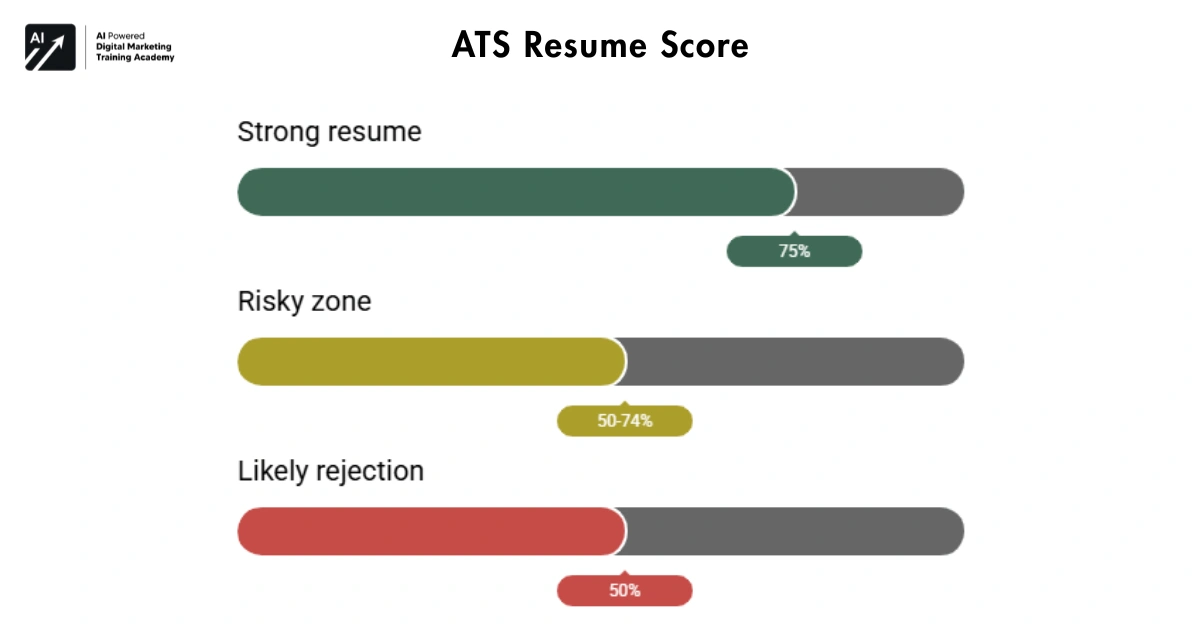
- 75% and above: Strong resume.
- 50–74%: Risky zone.
- Below 50%: Likely rejection
Why ATS Resume Score Becomes Low
Common reasons include:
- Missing job-specific keywords.
- Poor formatting.
- Using the same resume for every role.
- Generic content.
How to Improve ATS Score
Before applying:
- Read the job description carefully.
- Note important keywords.
- Match them naturally in your resume.
- Keep content honest.
- Avoid keyword stuffing
Small keyword alignment can make a huge difference.
Step 7: One Resume Does Not Fit All Jobs
This is the biggest resume mistake.
Why the Same Resume Fails
Each job role is different:
- Skills change.
- Tools change.
- Keywords change.
ATS checks relevance, not effort.
How to Customize a Resume Easily
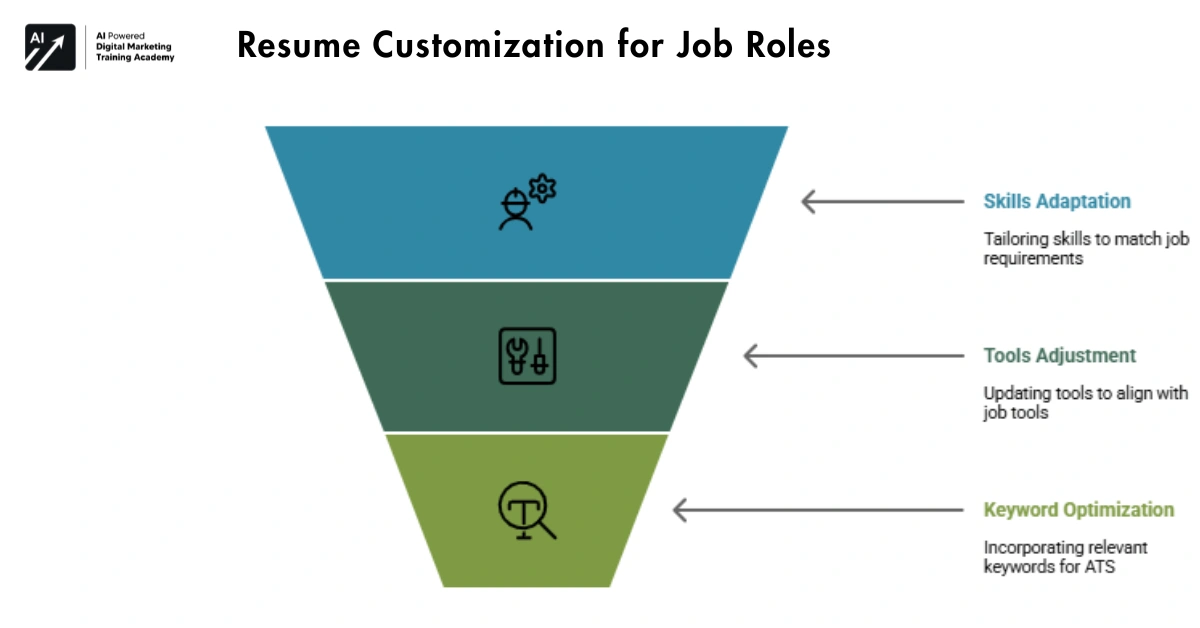 You do not need to rewrite everything.
Just:
- Keep the same format.
- Change keywords.
- Highlight relevant experience.
- Update the summary
Small edits bring big results.
Common Resume Mistakes Seen Across 5,000+ Resumes
Here are the most common mistakes I see daily:
- Too much text.
- No quantified achievements.
- Fancy designs.
- Generic resumes.
- Poor keyword usage.
Avoiding these already puts you ahead of most applicants.
Resume File Format and File Name Matter More
The resume file format decides whether ATS can read your resume.
Always use:
PDF or DOCX format
Avoid:
- Images.
- ZIP files.
- Shared links.
Use a clear file name like:
Ananya_DigitalMarketingExecutive_Resume.pdf
A clean file name helps recruiters find your resume faster.
Final Thoughts
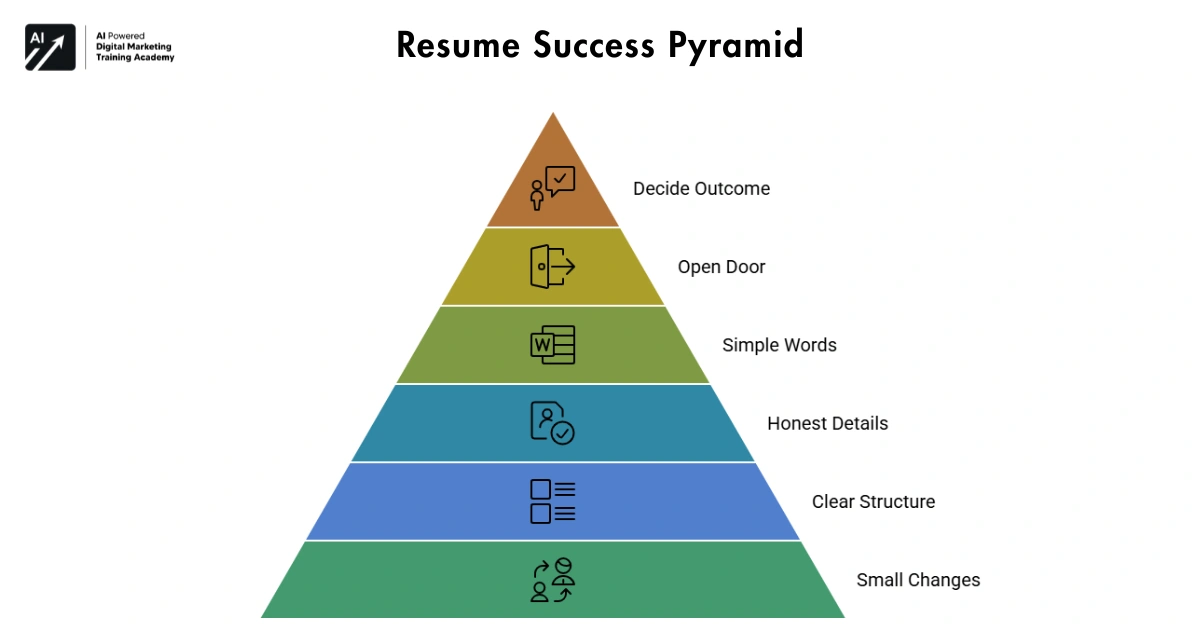 A resume does not give you a job. It gives you a chance. When you apply these seven steps, your resume stops blocking opportunities and starts showing your value.
- Small changes create strong results.
- Clear structure helps recruiters read faster.
- Honest details build trust.
Simple words explain skills better. Remember this every time you apply:
Your resume opens the door. Your interview decides the outcome.
Ready to Improve Your Resume?
If you are serious about:
- Getting interview calls.
- Clearing ATS filters.
- Presenting your skills professionally.
Add strong examples. Use the right keywords. Keep the format simple. A clear and honest resume helps recruiters understand you faster and moves your career forward sooner than you think.