
Starting a business feels exciting. People get an idea and feel ready to begin right away. Everyone around, may tell them the idea is amazing. It feels like success is just away.
However, in reality many businesses fail in the initial years. Reason: people start too fast without thinking things through.
Before spending money, rent a shop or build a product, should stop and ask a few important questions. These questions help to validate if the idea can really work.
Good businesses are not built only on excitement. They are built on clear thinking and planning.
In this blog, let’s look at the most important questions to ask before starting a business. These will help you understand your customers, check if people really need your product, and see if the business can make money.
What Does “Questions to Ask Before Starting a Business” Mean?
These are simple checks that help you decide if your business idea is good. They help you understand your customer, your competition and your costs. By answering these, can reduce the risk of losing money and increase your chance of success.
Why Asking Questions Before Starting a Business Is Important
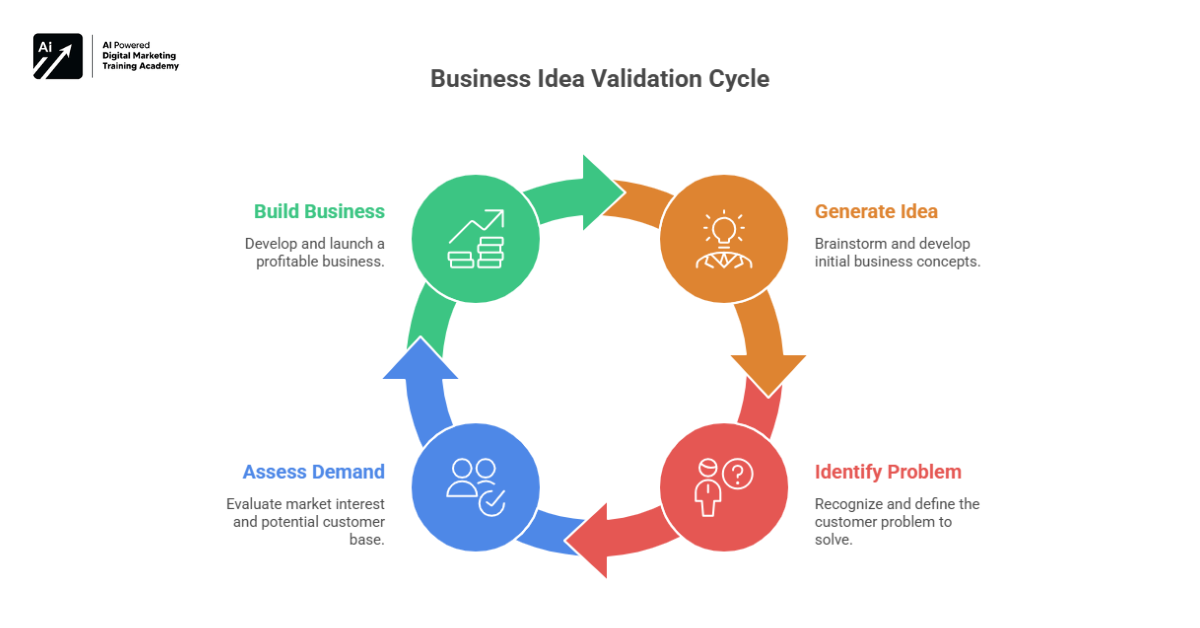
Many new business owners jump straight into action. They build a product, open a shop, or launch a website. Only later do they realize something is wrong.




Maybe customers are not interested. Maybe the price is too high. Maybe the business costs more money than expected.
These problems happen because important questions were missed early.
When you spend time to think before starting, can avoid many mistakes.
Example:
A person may open a cafe in an area where people prefer street food. Even if the cafe is beautiful, customers may not come.
Another person may build a product that nobody really needs. The idea may sound cool, however people will not spend money on it.
Asking the right questions helps to understand the market before investing.
1. Who Is Your Customer?
Every business needs customers. But not everyone will buy your product.
Many new entrepreneurs say, “My product is for everyone.”
That’s usually a mistake.
Good businesses know exactly who their customers are.
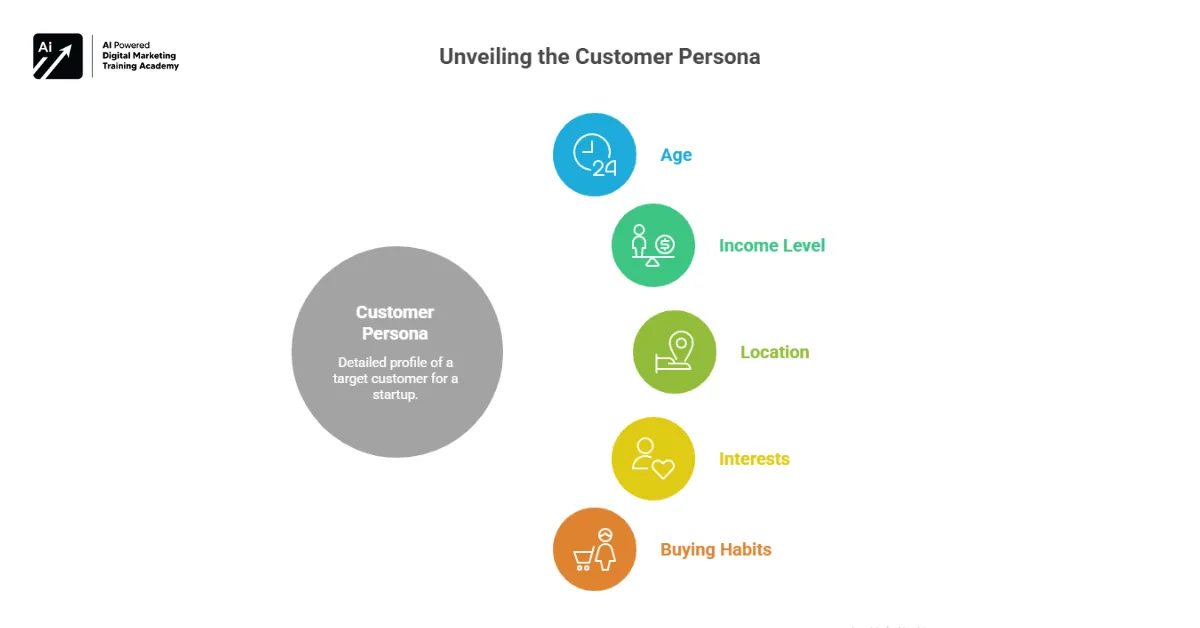
Your customer may depend on things like:
- age
- income
- location
- lifestyle
- spending habits
Example:
A company selling expensive fitness watches will likely target working professionals who care about health.
But a business selling affordable phone covers may target college students.
When you understand the customer, marketing becomes easier. Will get to know, where to advertise and how to talk to them.
If you do not know your customer, will lead to wasting money & trying to reach everyone.
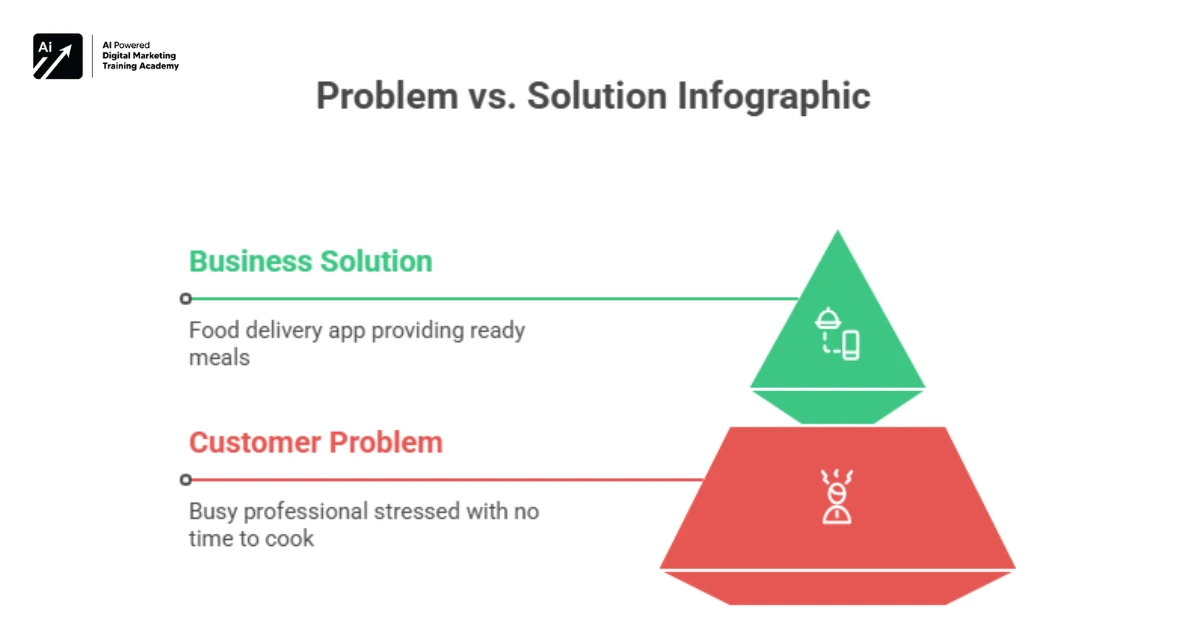
2. What Problem Does Your Business Solve?
A business exists to solve a problem.
People buy products because, they help them in some way.
A good product usually does at least one of these:
- saves time
- saves money
- makes life easier
- improves comfort
- solves a daily problem
Example:
Food delivery apps help people, who are too busy to cook.
Online learning platforms help students, learn new skills from home.
If your business does not solves a problem, customers may not care about it.
Before moving further, ask yourself.
Why would someone need my product?
If the answer is not clear, the idea may need more work.
3. What makes your Business Different?
Most markets already have many businesses. So you must ask an important question:
Why should customers choose you?
If your business is exactly the same as others, then people will usually pick the cheapest option.
That becomes hard to earn good profit.
Instead, try to offer something special.
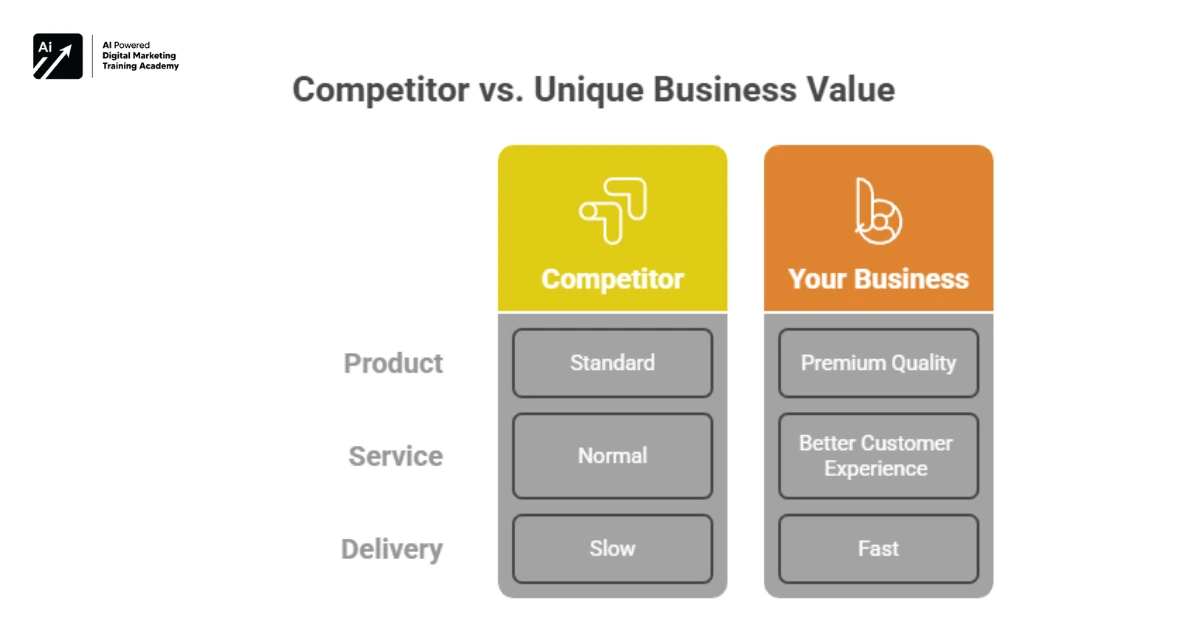
Your business could be different by offering:
- better quality
- faster service
- lower price
- a unique product
- better customer experience
Example:
Two repair shops may fix mobile phones. But one shop may offer same-day repair, and the other takes three days.
Customers who want quick service, will choose the faster repair.
Small differences like this, can make a big impact.
4. How will Customers find your Business?
Many new entrepreneurs focus only on the product. They forget to think about marketing.
A great product is useless, if no one knows about it.
You have to figure out how customers will find your business.
Some common ways include:
- social media
- online search
- word of mouth
- partnerships with other businesses
- local advertising
Example:
A bakery may get many customers through Instagram photos and local delivery apps.
A coaching center may grow through student referrals.
Before starting a business, should have a clear plan for attracting customers.
5. Will the Business make Money?
Making sales feels good, but profit is what keeps the business alive.
Before starting, should calculate few basic numbers.
Ask below question for yourself:
- How much does it actually cost to make the product?
- How much will you sell it for?
- What are your monthly expenses?
Example:
If a product costs ₹400, then sell it for ₹500 and the profit is only ₹100.
From that ₹100, need to pay for marketing, delivery and rent.
If the profit is too small, then business might struggle.
Understanding these numbers early helps to avoid surprises later.
6. Can the Business Grow?
Some businesses work well with a few customers but become difficult when demand increases.
Growth should be possible without making work impossible.
Example:
A freelance designer may only work with a few clients at a time.
But a software company can sells the same product to thousands.
When planning to start a business, think about future growth.
7. Are you ready to Start a Business?
Starting is not always easy.
There will be challenges, slow months and surprises.
Before starting, ask few questions to yourself:
- Do I have enough savings?
- Am I ready to learn new skills?
- Can I stay patient in difficulty times?
Successful founders are not just smart. They are also persistent.
Being prepared mentally is important as having a good idea.
Simple Startup Checklist
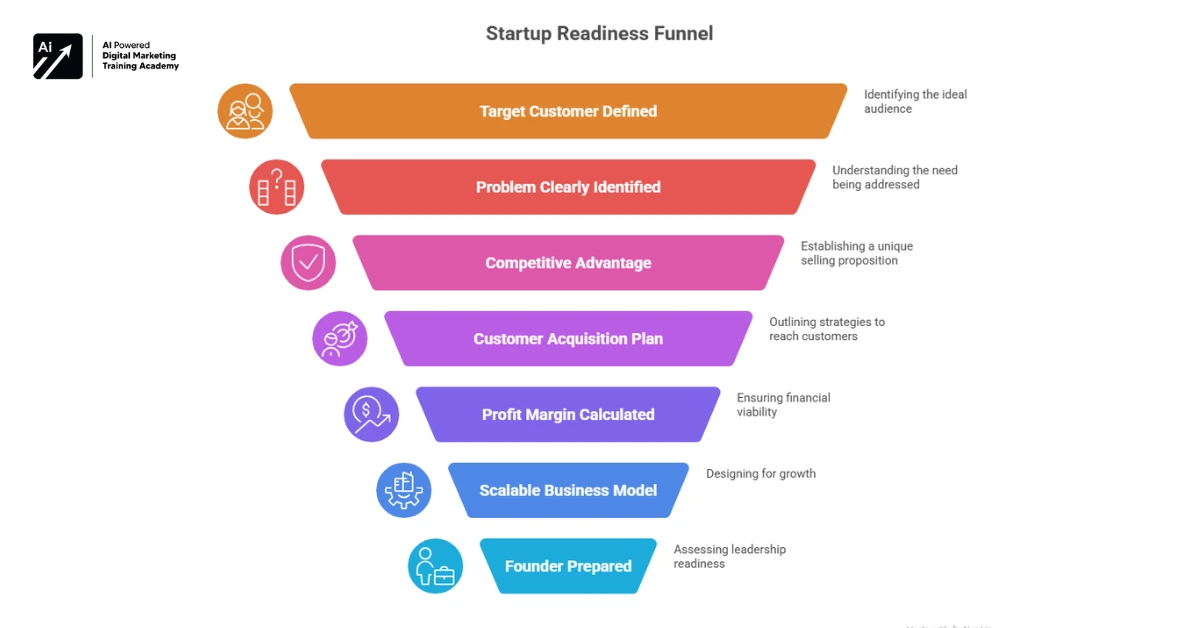
Before starting a business, make sure you know the answers to the below questions:
- Who is my customer?
- What problem am I solving?
- What makes my business different?
- How will customers find me?
- Will the business make profit?
- Can the business grow?
- Am I ready for the challenges?
If you have answers for these clearly, your business idea is much stronger.
Frequently Asked Questions
How do you validate a business idea?
Test by small launches, ask your audience, analyze the competitors and then work on profits that make sense.
What should you do first before starting a business?
Be clear about the problem you’re solving and the people who actually cares about it.
How do you know whether a business idea will work?
Look for real demand from customers, value that you provide that sets you apart, profit potential and scalable operations.
Why do most small businesses fail?
Poor planning, weak understanding of the market, not good at money management and ineffective marketing. Honest evaluation improves the chances of survival.
Conclusion
Starting a business is a big step. It can be exciting and rewarding too. But it also needs careful thought.
Before you put in time and money, stop and ask good questions.
Clear answers now stop big mistakes later.
A winning business starts with good plans, patience and knowing your customers.