
Most people nowadays spend a large amount of time on social media, whether it’s on Facebook or Instagram, taking videos, scrolling through old friends and family, and even researching and discovering brands!
Since consumer behavior has shifted dramatically, advertising strategies have shifted as well. Most advertising is no longer in newspapers and on television but in a digital format.
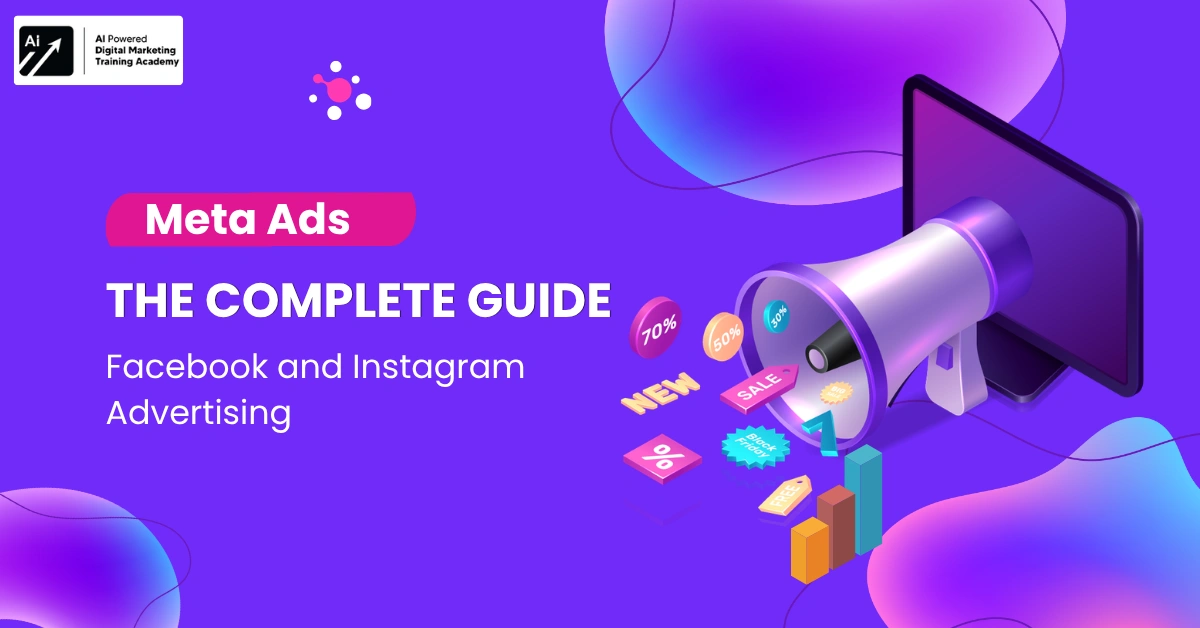
One of the most powerful tools in digital marketing today is Meta Ads.
With Meta Ads, businesses can promote their products or services on Facebook, Instagram, Messenger and other Meta products & services. With Meta Ads, businesses can reach the relevant audience at the relevant time.
What are Meta Ads? Using advanced targeting to connect advertisers with up to 2.7 billion people, Meta Ads allow users who have expressed interest in topics like fitness to receive ads about programs like P90X or products like Body-Solid’s Treadmills. This means users who have browsed for fitness tips or are following health related Facebook pages may start to see ads like these throughout their Facebook newsfeed.
By connecting with users most relevant to a business, the likelihood of engagement, leads and sales is increased.
Many companies, from small local businesses and organizations to big global corporations and brands with global reach, use Meta Ads to promote their business.



This guide explains what Meta Ads are, why businesses use them, and in depth how companies can utilize Meta Ads to run successful advertising campaigns.
What Are Meta Ads
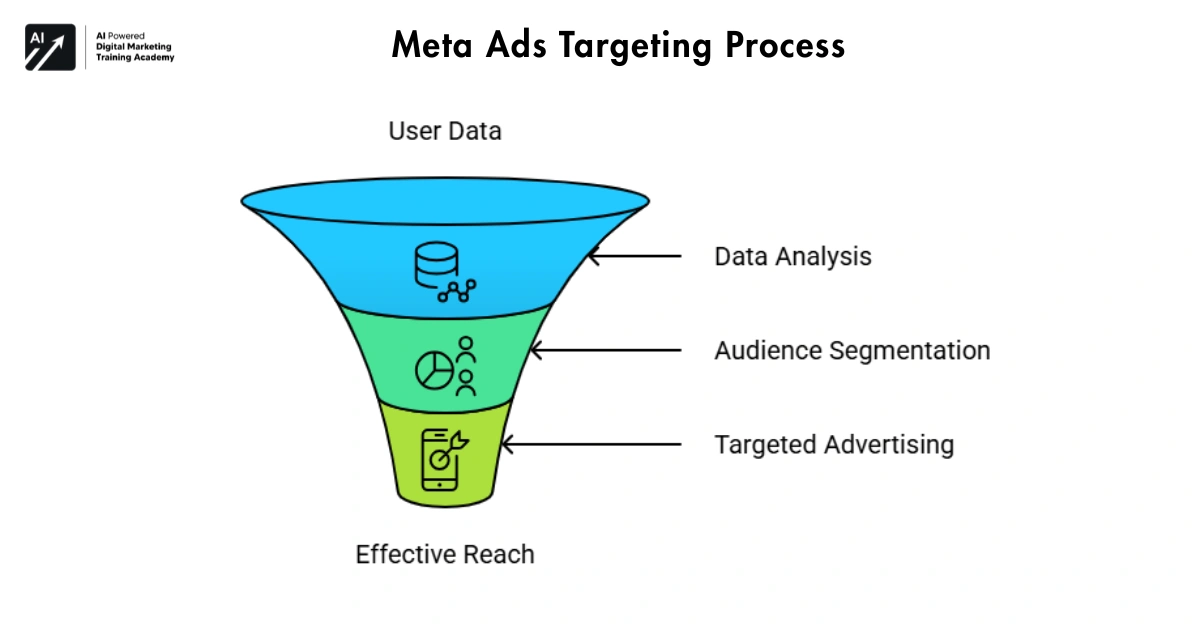 Meta Ads focuses on paid advertising, which appears on Facebook, Instagram, and other Meta properties.
Facebook and other sites from Internet connectivity company Meta display ads based on the interests, locations, behavior etc. of the individual user, and businesses have to pay to target specific groups of people.
You may see these types of ads on various sections of Facebook and other Facebook products.
- Facebook News Feed
- Instagram Feed
- Instagram Stories
- Facebook Marketplace
- Messenger inbox
- Facebook video content
- Mobile apps through Audience Network
With billions of people using Facebook and Instagram every month, Meta Ads offer businesses a tremendous opportunity to reach a large audience.
However, just having a large number of users isn’t enough to make Meta Ads truly powerful. What matters is being able to reach the exact right people.
For example:
- For a restaurant its potential customers will be people living approx. 5 km from its venue.
- For this beauty ad, we focused on users within the Skincare category, as this is most relevant to the brand advertised.
- Reach students looking for learning opportunities.
- Advertising on Facebook allows businesses to specifically target certain groups of users.
- Meta Ads have become a core feature in today’s digital marketing landscape.
The Evolution of Meta Advertising
Social media advertising has undergone many drastic changes since its debut about a decade ago.
Facebook wasn’t always what it is today. When it first launched, the primary goal was for people to connect with family and friends.
They could keep up with the latest happenings in their network, read updates, and scroll through photos of people they cared about. There were very few options available for businesses to effectively promote themselves on the site.
But as the site grew, companies began to realize that Twitter could be a powerful marketing outlet as well.
Facebook had slowly started to add advertising tools that allowed businesses and individuals to “sponsored” posts to their Facebook audience.
Instagram was also part of the Meta family of products and experienced rapid growth and further opportunities to advertise as it became very popular.
Advertise your business on Meta where your customers spend their time on Facebook and Instagram, now reach your customers anywhere with a single Meta Ads campaign. Promote your app on Facebook to attract new users.
- Messenger
- Audience Network
Our integrated advertising platforms allow you to manage your campaigns from one place – the Facebook Page dashboard as well as from the new Meta Ads Manager.
Meta is also advancing the technology behind Facebook and Instagram ads to help businesses reach people better. AI is matching more relevant ads to people’s interests, helping advertisers get the most out of their budget, and determining which ads people are most likely to engage with.
Our constantly evolving Medium for Meta Ads aims to ensure that your work delivers real results for your business.
Why Meta Ads Are Important for Businesses
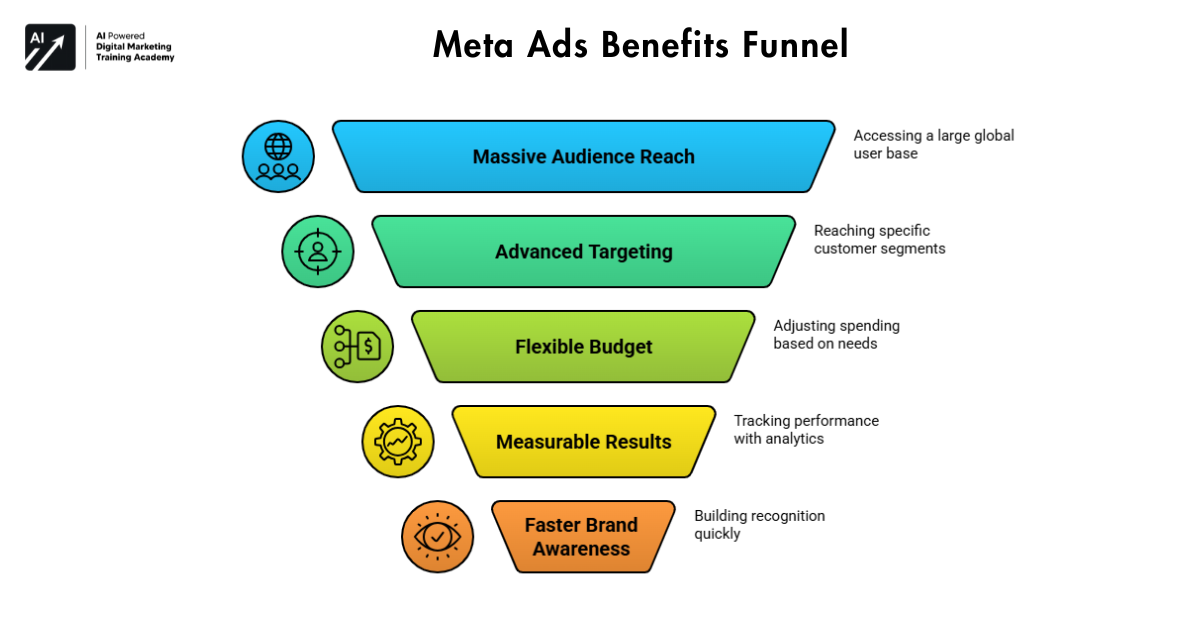 The answer might surprise you, but there are several reasons that traditional forms of marketing cannot offer.
Let us explore the key benefits.
Massive Audience Reach
It’s useful to remember that Facebook and Instagram have a massive number of active users worldwide.
This means that in future, your business will be able to reach customers from a range of locations, industries and demographics.
Thousands of potential customers can be reached in just a few minutes, by a small business.
Therefore, Meta Ads provide strong visibility for brands.
Advanced Targeting Capabilities
Another important advantage of Meta Ads is the precise targeting of the audience.
It allows businesses to reach potential customers by selecting from a variety of criteria in order to efficiently connect with the most relevant users.
- Age
- Gender
- Location
- Interests
- Hobbies
- Online activity
- Purchase behavior
- Job titles
- Education level
Adjust the target of an ad to better reach people who are likely to engage with it.
As a result, marketing campaigns become more effective.
Flexible Advertising Budget
Unlike linear advertising, Meta Ads allow you to begin advertising with a small budget and then scale up as your Reach and Engagement grow.
Facebook ads can be set up to function with a daily budget or lifetime budget depending on what goals the company has.
For example:
A small local shop might spend ₹300 per day advertising in a book.
This is a growing e-commerce company which is currently investing close to thousands of rupees every day in man and machine to bring out a larger offering of products and services to its increasing customer base.
This flexibility allows small, medium or large companies and advertisers to develop and roll out a digital strategy.
Measurable Marketing Results
Another cool feature of Meta Ads is that you can track the performance of your ads.
Meta Ads Manager provides detailed analytics such as:
- Number of ad impressions
- Click-through rates
- Website visits
- Engagement levels
- Conversion rates
- Sales performance
By seeing real time data, advertisers can boost their campaigns and get more out of what they spend online.
Therefore, Meta Ads support data-driven marketing decisions.
Faster Brand Awareness
Building brand awareness can be a lengthy process, but with Meta Ads it doesn’t have to be.
Over time, repeated exposure of a brand in a user’s News Feed can lead to brand name recognition.
You may not make a sale on a given day, but the whole time you’re building brand awareness. However after a period of time if you have continued to deliver quality content to your prospects via your blog, then they will come back to your site and purchase from you.
And then, when they need a similar product, they’ll think of that brand.
Also helping to create long-term brand awareness is Meta Ads.
Types of Meta Ads Businesses Can Use
Create an ad and promote your product in a totally new way. We have a number of formats, so choose the one that suits you best.
Whether or not people are consuming different types of media at different times of the day will be different for each Facebook user. To help people notice and engage with your ads in these scenarios, however, Meta has created several different Facebook ad formats and experiences that look natively integrated into the Facebook experience.
I will be covering the most common formats of Meta Ads that most businesses and marketers use today.
Image Ads
There are three types of Meta Ads, but the simplest form of a Meta Ad is an “image ad” which consists of a single image and some lines of text.
Images are useful for marketing a product or service, for advertising a sale or offer and increasing brand awareness.
Our iPhone app makes it possible to present a collection of photographs as a slideshow to any audience at any time. Perfect for Fashion Stores to show a photo of your latest collection of fashion clothing. or for Bakeries & Cakes Shops show how your cakes and desserts look.
Social media moves at such a fast pace that images need to draw attention instantly. A powerful image is essential.
We recommend choosing high quality images for upload. For best performance, product images on Zalando Marketplaces should be bright and fitting for our platform. Simple designs with lots of color tend to perform better than darker or busier images.
I would like you to write a few lines to add to my listing detailing the advantages to customers of my product.
For example:
“Discover our new summer collection.”
“Fresh bakery items available today.”
“Shop the latest fashion trends.”
These ads are great for any business.
Video Ads
Create powerful Ads with video content that tells a story with more emotion than images.
Moving images and narration/sound within a video create engagement and draw the viewer in for a longer period of interaction than a static image.
Businesses use video ads to:
- Demonstrate products
- Share tutorials
- Explain services
- Show customer experiences
- Introduce brand stories
Use Video for Short Form Content (e.g. exercise tutorials, a peek into the kitchen of a restaurant or store, or step-by-step tutorials on makeup, hair styling, etc.).
Videos are a very powerful medium because they are highly emotional. This makes for a very engaging medium which can drive conversions for your business.
But there are a few rules that the best video ads follow.
- Capture attention in the first few seconds
- Keep the video short and clear
- Focus on the main message
Include captions for viewers watching without sound
Due to their nature and reach on Meta Platforms, video ads have become one of the most powerful Meta Ads.
Carousel Ads
Regular Meta ads and carousel ads, which are two of the most popular formats.
Facebook carousel ads have allowed advertisers to create multiple frames within a single ad, which users then can swipe through to view all of the cards.
Recently, Facebook made another significant update to the platform, allowing users to view these cards without having to swipe. Instead, cards can now be scrolled through with a simple mouse click or keyboard navigation.
This format displays better when viewing more than one photo at a time.
For example:
- An online clothing store can show different outfits.
- A travel agency can display multiple destinations.
- A furniture company can present different room designs.
We’ve also enabled each individual card to be functional and include its own link, headline and description.
Facebook and Instagram introduced carousels which enable you to upload multiple images or videos within a single ad.
These types of Facebook ads enable you to reach new audiences and show off more details of a product to customers. A carousel ad allows you to create engaging experiences for customers by publishing several images or videos.
We have also started experimenting with carousel type Facebook ads. These ads enable Facebook users to interact with the ad by touching to view different images or content within the ad.
Our testing has shown that user interaction greatly enhances engagement and performance of ads compared to traditional Facebook ads.
Collection Ads
Collection ads are primarily built for online shopping experiences on Facebook.
View the groups of products in an ad. When activated, view the full-screen mobile experience where customers can browse individual products.
A new feature in Facebook could be just what retailers need. So many customers are browsing products while they are casually perusing their social media feeds, and now with Facebook’s “collection ad” feature, shopping on the social media site has just gotten a whole lot easier.
Instead of just listing all products like an e-commerce store would with a page showing a collection of shoes, or bags, or clothing etc you can also showcase the details of the product right there on the first page.
This format works especially well for:
- Online fashion stores
- Electronics retailers
- Beauty brands
- Home décor businesses
In addition to the above points, our data also shows that Collection ads can be used to find and purchase inventory as well.
Meta Ads Campaign Structure
What structure should a Meta Ad take in order to be successful for a particular business?
Meta advertising follows a three-level system:
- Campaign
- Ad Set
- Ad
Each level has a different purpose.
Understanding Facebook’s ad structure allows the marketer to control exactly where the ad will be seen (targeting), how much will be spent on the ad (bid), and what content will actually show up in the ad (ad copy).
Campaign Level
The campaign level is where you set the main objective for your ads.
What is your campaign goal? Your campaign goal tells Meta what you’re trying to get out of your campaign.
Some common campaign objectives include:
- Brand awareness
- Website traffic
- Engagement
- Lead generation
- App installs
- Sales conversions
For example, selecting the “traffic” objective will help a company have more website visits.
While Facebook allows you to set the “conversions” objective, it may not be the best choice if your goal is actually generating purchases.
Selecting the appropriate campaign objective is important given the way Meta is optimizing for advertisements is through machine learning.
Ad Set Level
Next comes the ad set level.
The spots are where the advertiser defines the audience, creates an ad budget, and picks exactly where the advertisement is going to be placed.
Key elements of the ad set include:
Audience targeting
Businesses can define audiences based on:
- Age
- Gender
- Location
- Interests
- Online behavior
- Budget settings
Advertisers can determine the amount of spending they wish to do.
Meta offers two options:
- Daily budget
- Lifetime budget
- Ad placements
We continue to build out more real estate on Meta where ads can appear. Meanwhile, you can expect to see ads on Meta in the following locations:
- Facebook feed
- Instagram feed
- Instagram stories
- Messenger
- Audience Network
Should you use automatic or manually selected placements for your business?
This filter control determines the target audience by specifying both the scope and position at the ad set level for where the campaign will be displayed.
Ad Level
This is where you create an ad for your business. This is where you set up everything at the ad level.
This includes the creative elements that users see.
At the ad level, advertisers add:
- Images or videos
- Headlines
- Ad text
- Call-to-action buttons
- Website links
The fundamental purpose of Ads is to be noticed and to incite action.
For example, common call-to-action buttons include:
- Learn More
- Shop Now
- Sign Up
- Contact Us
Using a good call-to-action in your ads is one of the simplest ways to make them more clickable.
The creative of the ad also played an important role for the campaign to be successful.
Meta Ads Placements
Meta Ads appear across multiple platforms and locations.
You may not know that Ads can appear on any page where you are actively browsing.
Some common placements include:
- Facebook News Feed
- Instagram Feed
- Instagram Stories
- Facebook Video Feed
- Messenger inbox
- Audience Network apps
Since users act upon different sorts of display ads in distinct ways, you should experiment with different ads and ad placements in order to obtain maximum return on investment.
This principle can play out in a number of different ways. For example, you may find that your younger audience engages best with Instagram Stories, whereas your older audience engages better with Facebook feed ads.
How to Create a Successful Meta Ads Campaign
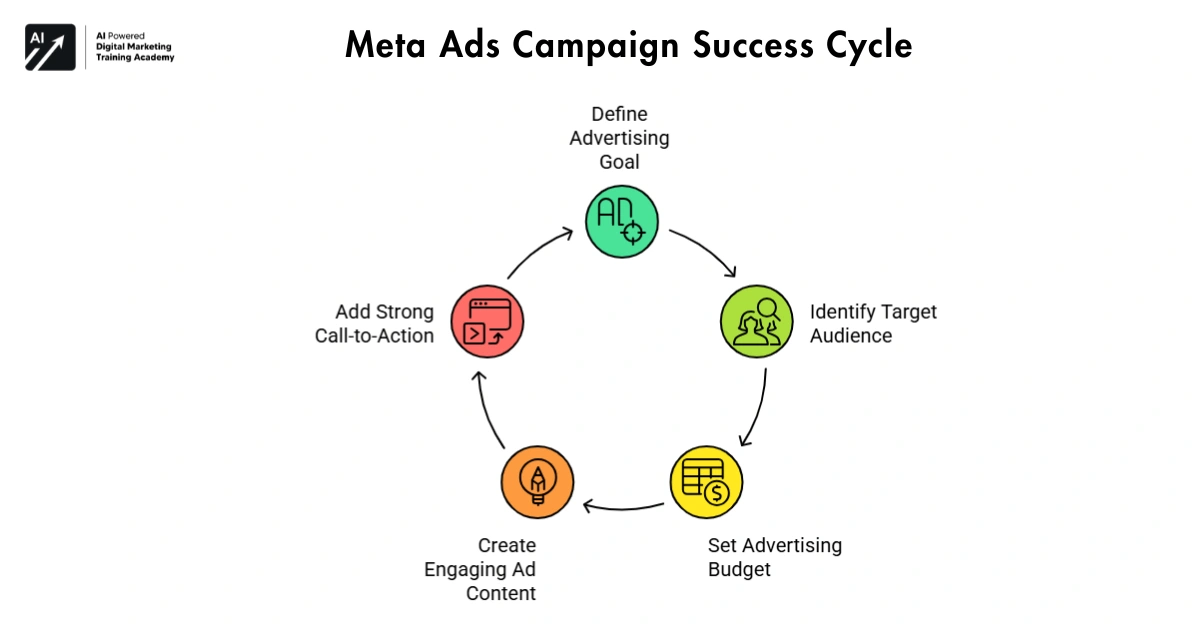 Running Meta Ads is not just publishing ads for your business to appear in people’s news feeds. Strategy is also involved and by planning ahead, your ads can perform better and drive more results for your business.
We follow a structured process for running Meta advertising campaigns to ensure our clients reach the correct audience and hit their marketing objectives.
Get our step-by-step guide on how to create a great Meta Ads campaign.
Step 1: Define Your Advertising Goal
You need to know what you want to achieve before you start with social media.
Different businesses have different objectives. Choosing the right objective helps Meta deliver the advertisement to the best audience for your business.
Common Meta Ads goals include:
- Increasing brand awareness
- Driving website traffic
- Generating leads
- Getting app downloads
- Boosting engagement
- Increasing product sales
Some brands will prioritize awareness campaigns initially to build brand awareness, whilst later swapping to conversion campaigns.
Conversely, new brands and new stores will seek to drive immediate conversions and sales.
Step 2: Identify Your Target Audience
We need to know who our customers are.
Currently, ads are displayed to anyone who happens to be looking at the site, which isn’t very effective. More relevant would be to display ads to people for whom the site would be relevant, i.e. those potentially interested in the product described by the ad.
We wanted to show you how easy it is to target your audience with Meta Ads. Did you know that you can target based on many factors?
These include:
- Age group
- Gender
- Geographic location
- Interests
- Online behavior
- Job roles
- Education level
Target audiences are sometimes categorized based on life events, such as when the person gets married, has a baby, goes to college or graduates from college.
For example, a baby product company might target new parents or a travel agency would target people who love travel and adventure.
Advanced targeting options allow you to reach exactly the people suited to your customer profile when advertising with Meta.
As a result, advertising becomes more efficient.
Step 3: Set the Advertising Budget
Even before selecting creative assets and platforms, the business must determine its target audience and then decide how to spend your allocated marketing dollars.
Meta Ads allow for multiple levels of budgeting. Users can start small and scale up as their campaign performs well.
There are two main types of budgets:
Daily Budget
Setting a daily budget for your Facebook ads campaign means setting a cap on how much you’re willing to spend on your campaign each day. Meta then spreads your budget out over the course of the day.
Lifetime Budget
Lifetime budget is the total amount allowed to be spent by Facebook during your campaign’s lifetime.
For example:
Starting small is a viable approach: remember that a small business can begin with an investment as low as ₹500 per day.
Whether your brand is just growing or already extremely large, it could be spending ₹5,000 per day.
With open budgets businesses can make changes at any time.
We’re also continuing to support Meta Ads, which means businesses of all sizes can continue to use them.
Step 4: Create Engaging Ad Content
After setting up the campaign structure, there is also the task of creating an appealing advertisement.
adverts have to grab the viewer’s attention, as social media users are literally scrolling as fast as they can. Therefore, good adverts have to draw attention within a few seconds, no more.
Effective Meta Ads usually include:
- Eye-catching visuals
- Clear messaging
- Strong call-to-action
Post before and after photos of your clients’ work or examples of your own designs. This idea would work for a fashion brand sharing photos of a model wearing the latest outfits or a restaurant sharing photos of their latest dishes.
A fitness coach could also utilize this idea to showcase the results of their work with a client from before their fitness transformation to after.
The ad text should be brief and easy to understand.
Copy should be brief and full of value, not a drawn out, perfectly crafted monologue.
For example:
“Discover comfortable running shoes for your daily workout.”
“Upgrade your skincare routine with natural ingredients.”
Simple messages perform better because they are easier to read.
Step 5: Add a Strong Call-to-Action
A call-to-action encourages users to take the next step.
What’s the point of having an ad if there is no call-to-action?
Meta Ads provide several call-to-action options such as:
- Learn More
- Shop Now
- Sign Up
- Contact Us
- Download
For example, your online store CTA button could read “Shop Now” and your webinar promotion CTA could read “Sign Up”.
Call-out buttons direct customers to a call to action, driving performance of your campaign.
Audience Targeting Strategies in Meta Ads
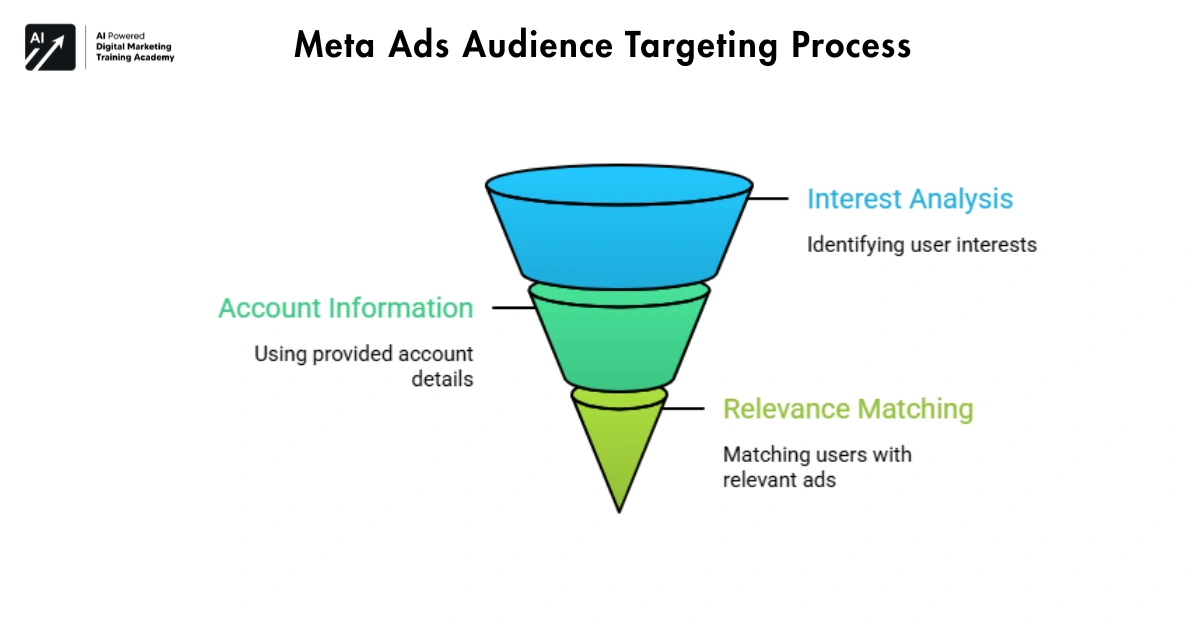 One of the biggest strengths of Meta Ads is advanced audience targeting.
We collect data about your interests and activities on websites and online-based content. We use this information, along with information provided to us if you have created an account, to help advertisers pick what users may find relevant and interest them.
Businesses usually use three main targeting strategies.
Core Audience Targeting
Core audiences are created based on demographic and interest-based data.
Advertisers can define audiences using factors like:
- Age group
- Gender
- Location
- Interests
- Hobbies
- Online activity
We help sports equipment companies reach users interested in activities like fitness, running and working out at the gym.
Because this campaign targets by interest, we are reaching people who have interests that are relevant to this product.
Custom Audience Targeting
It can be very effective for a business to target its existing ‘audience’ or people that have previously, in some way, interacted with their organization.
Custom audiences allow you to upload lists of Facebook user IDs allowing you to target people that have already interacted with your company.
These audiences may include:
- Website visitors
- Previous customers
- Email subscribers
- App users
- Social media followers
For example, an online retailer might show ads to a customer who visits their store but does not make a purchase in order to remind them of a product they left behind.
This strategy is called remarketing.
One of the main reasons that remarketing campaigns are so successful is that the target audience has prior knowledge of your brand.
Typically, these types of campaigns yield higher conversion rates because customers have a basic understanding of what you are offering and know that it is a reputable brand.
Lookalike Audience Targeting
Lookalike audiences help you reach new people-most similar to the existing customers.
Meta looks at customer behavior and matches up customers who are similar.
Meta also shares your data with the company that bought Instagram in 2012, and also owns Snapchat and Facebook, so your information could also be shared with those companies as well.
In addition, Meta may share your data with other parties, such as brands whose customers have similar characteristics or behaviors, like young professionals into technology.
Although the two audiences are targeting the same market, I hope to attain a similar engagement.
This is huge and a huge opportunity for businesses to grow.
Writing High-Performing Meta Ads Copy
Good visuals get people’s attention. However, great ad copy is what actually convinces people to take action.
Effective Meta Ads copywriting follows a simple structure.
Focus on Customer Benefits
Don’t just describe a product. Explain how your product will help your customers.
For example:
Weak message:
“New running shoes available.”
Better message:
“Run a little faster with our range of lightweight running shoes.”
This method engages customers because they care about benefits.
Keep the Message Simple
Social media users prefer short and clear messages.
Therefore, advertisers should avoid complicated language.
Simple sentences improve readability and understanding.
Use Emotional Connection
People often respond to emotions.
Adverts that create excitement, curiosity or happiness generally perform better.
For example:
“Transform your home with beautiful décor.”
“Start your fitness journey today.”
Emotionality in Ads Can Boost User Engagement.
Test Multiple Ad Variations
Successful advertisers rarely rely on only one advertisement.
Instead of targeting multiple criteria, they create several variations of one ad and use different copy, images, etc.
- Images
- Headlines
- Messages
- Audiences
This process is called A/B testing.
After running multiple ads, a business is able to figure out which ad performs the best.
That’s music to the ears of marketers. Now they can optimize and improve their campaigns.
How to Optimize Meta Ads for Better Results
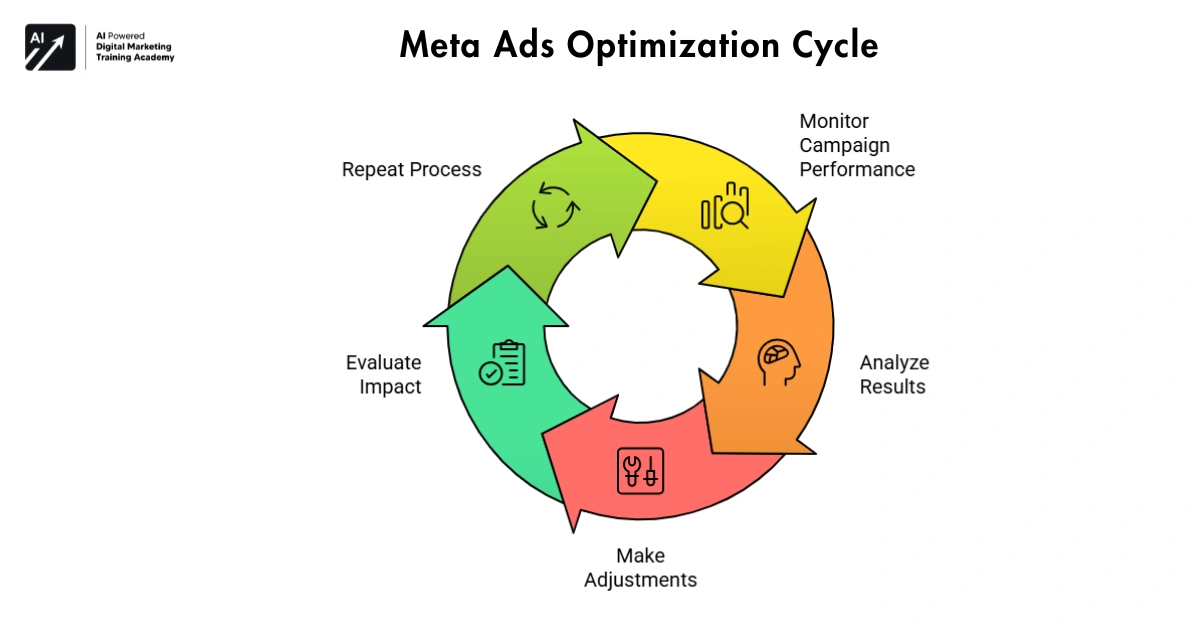 The real power of Facebook ads, however, comes from the process of iterating on and improving your campaign over time. This is called optimization.
This advertising concept refers to the tiny adjustments that can be made on an ad in order to maximize its performance. By understanding the campaign results, businesses can increase engagement and conversion while boosting the value of their ads per dollar.
Therefore, marketers must regularly monitor their advertising performance.
In this series of tweets, Meta Optimization tips for running Ads campaigns are outlined.
Monitor Campaign Performance
Manage Ad Results with an Ad and Publisher Manager. First, measure and report on multiple ad campaigns and track results of a specific advertising campaign with Meta Ads Manager. Then, organize and track your group of publishers with Meta Publisher Manager.
View and review Facebook ads performance data.
Some important metrics include:
- Impressions
- Click-through rate (CTR)
- Engagement rate
- Cost per click (CPC)
- Conversion rate
- Return on ad spend (ROAS)
Improve Ad Creatives
Creative is key for Meta Ads.
Lackluster visuals will get you dropped in a split second, as viewers scroll through the ad to get to more interesting content.
To improve performance, businesses should focus on:
- High-quality images
- Clear product presentation
- Short and simple text
- Bright colors and attractive visuals
And also images got more views than plain text!
Test different creative formats to see which one works best for your business.
Use A/B Testing
Another powerful optimization technique is A/B testing.
In a nutshell, what is A/B testing of an ad? This post’s headline answers the question, which is to say that all one has to do is read the headline to learn what A/B testing of an ad is.
The answer: to test two versions of an ad to determine which version performs best.
Businesses may test different elements such as:
- Headlines
- Images
- Videos
- Ad copy
- Target audiences
- Call-to-action buttons
For example, one ad could say “Shop Now” while another might say “Explore the Collection”.
These ads performed differently, so we went with the better engaging one to promote the new Facebook app center.
Tracking technology analyses all of our ads to see which one performs best, while continually improving the performance of our existing ad campaigns.
Optimize Audience Targeting
Another factor is audience targeting for your Meta Ads.
If the target audience is too broad, then the advertisement may end up reaching an irrelevant audience resulting in wasted campaign funds.
Therefore, advertisers should refine their audience targeting.
For example, businesses can:
- Narrow the age group
- Focus on specific interests
- Target a smaller geographic area
- Use custom audiences
It also allows you to find customers that will behave in a similar way as your existing customer base.
As the content of the ad is geared towards a very specific audience, that audience is more likely to engage with the ad which makes the targeting more effective.
Adjust Budget and Bidding Strategy
Budget optimization is another important factor.
Ads become more visible to users and perform well, we anticipate that additional budget will be allocated to them by the advertisers. Conversely, spend may be decreased on underperforming ads.
This tool helps organizations get more value from their spend on marketing.
In addition to the above options, Meta offers a number of automated bidding strategies that can help optimize your campaigns.
The next wave of advertising will use these systems to display ads to people for whom taking the desired action is most likely to happen.
Therefore, proper budget management improves advertising outcomes.
Common Mistakes Businesses Make with Meta Ads
 If you’re new to online marketing and wondering where to start, Meta Ads can be a really powerful platform. But there are some really common beginner mistakes that could mean you waste your advertising budget.
Using the wrong demographics or target market can hurt your campaign and cause unnecessary advertising waste.
Targeting Too Many People
One common error is to attempt to appeal to too general an audience.
The advertisement usually also reaches people who have no interest in the product.
Therefore, businesses should focus on well-defined audience segments.
Most targeted marketing campaigns are more effective than “for everyone” campaigns.
Using Low-Quality Visuals
Another mistake is using poor-quality images or videos.
Visual content rules the social media landscape. Create natural, effective content marketing that impresses the user, sparks the followers’ interest and captivates on every platform.
In addition to these obvious pitfalls for websites, the use of blurry images, poor quality visuals and badly designed adverts can also deter users from using a website.
Spending money on creatives is also important to maximize ROI.
Ignoring Performance Data
In this video we highlight a common mistake that all advertisers make which prevents them from reaching their full marketing potential.
However, successful marketers constantly monitor performance metrics.
Using data allows businesses to see what works and what doesn’t.
By understanding this, campaigns can improve and succeed.
Not Testing Different Ads
Some businesses rely on only one advertisement.
Unlike traditional print methods such as Direct Mail or billboards where large campaigns are typically printed and then distributed across a particular area, advertising online allows for several variations to be tested to see which ones perform better than others.
Advertising testing also allows the shots to be tried with different creative, copy and targeting to see what performs the best.
A/B testing on Meta is necessary to improve your ads.
The Future of Meta Ads
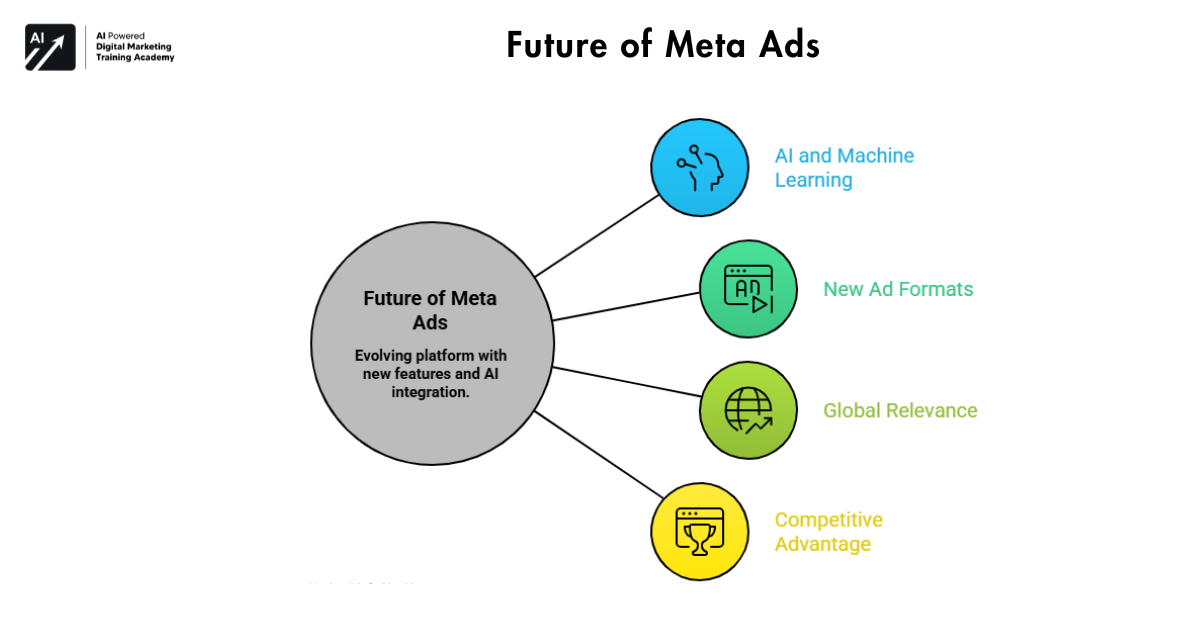
Every year brings changes to the landscape of digital marketing, and Meta Ads has adapted quickly and improved as more features have been added to this ever-expanding platform.
Meta invests hundreds of millions of dollars yearly in artificial intelligence and machine learning to understand people better, develop more natural experience for them, and help advertisers more accurately reach their target audience.
We incorporate an understanding of human behavior into our ad matching by identifying which user is most likely to interact with an ad.
In addition to the new ad formats that were recently launched on Facebook, Instagram is also releasing a number of new formats.
Features such as:
- Interactive ads
- Augmented reality ads
- Advanced video formats
- AI-powered campaign optimization
will shape the future of social media advertising.
Due to the massive and ever increasing number of social media users across the globe, using Meta Ads for your business will continue to be relevant and critical in the global market today.
We believe that companies that successfully incorporate Meta Ads into their existing digital marketing strategy will be ahead of the game in the coming years.
Conclusion
Meta Ads are probably the most powerful advertising medium online right now.
Targeted ads help you reach the right people on Facebook and Instagram. Online advertising reaches millions more than 2.7 billion people use Facebook and Instagram every month. With targeted ads you can reach your audiences better than ever before.
In this guide we discuss what are Meta Ads, go over the types of formats they come in, and lastly provide the readers with valuable tips and insights needed to build a Meta Ad campaign.
We also looked at some tips to optimize the website. Including ways to track performance, how to target the correct audience and running A/B tests.
Stronger visuals, clearer messaging and campaign tracking all combined to deliver bigger impacts for brands and greater engagement with audiences.
Meta Ads provides a powerful solution for reaching your desired target audience whether you are a small startup with a low budget or a large corporation with an unlimited one. It helps you to promote products, increase brand awareness and drive business results.
The digital marketing world is changing fast, and its companies using the latest advertising technologies and methods that are going to stay ahead in the industry.
In online business, using Meta Ads is a great way to connect with your audience, grow brand loyalty and reach industry-wide success.