

In an era when social media frenzy can make unknown products overnight global sensations,
one toy company has managed to do the same redrawing the playbook for pop culture, retail, and online business
Meet the tale of Labubu dolls from Pop Mart, China’s newest billion-dollar cultural phenomenon
From store shelves to global stardom, the crazed Labubu Doll Craze ignited by celebrity culture, limited collections
and a hardcore collector following has now catapulted Pop Mart CEO Wang Ning’s net worth by a whopping ₹13,300 crore ($1.6 billion) virtually overnight
What Are Labubu Dolls?
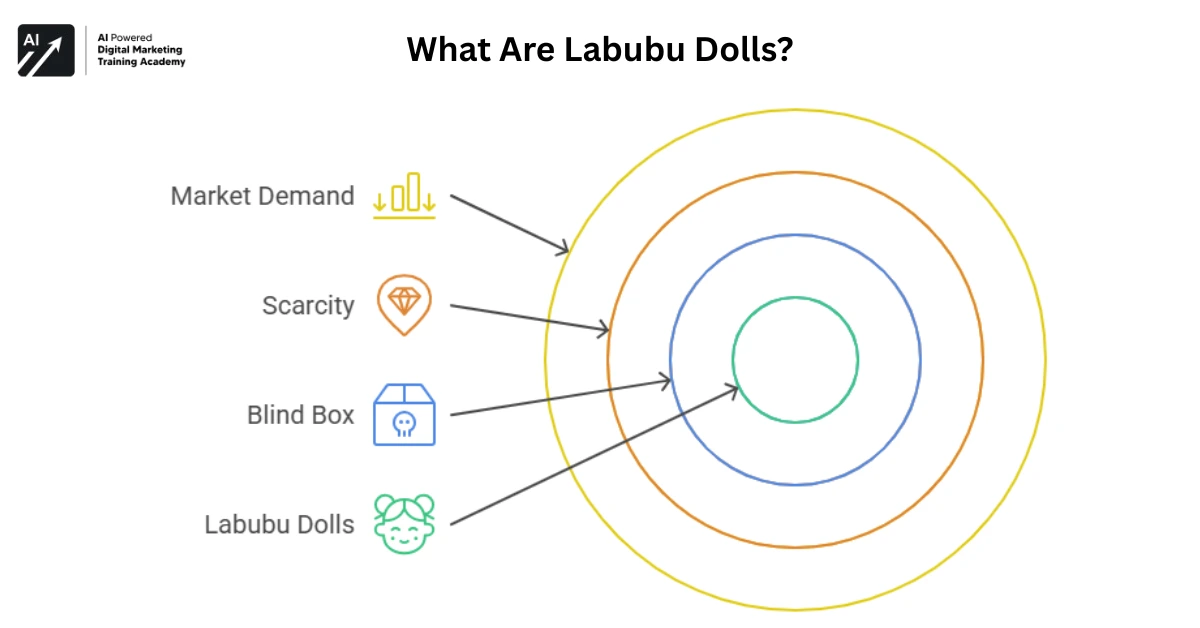
Labubu dolls are eccentric, wide-eyed, mischievously smiling vinyl figurines that are part of the POP MART franchise, originally designed by artist Kasing Lung
Related Posts




Blind-box collectibles have been a huge hit with Gen Z, millennials, and celebrities
Blind Box Mania Explained
Every Labubu doll is bought in a “blind box,” so customers have no idea which character they’re getting until they unwrap it
This gives every purchase a gamified surprise factor and feel of scarcity, like the cards or NFTs.
But there’s more some Labubu dolls are just so rare that they can be resold for as much as ₹33,000 ($400+) well over 18 times their original retail price of ₹1,830 ($22)
Rihanna’s Influence The Moment That Ignited Worldwide Hype
It started when global pop superstar Rihanna was seen posing with a Labubu doll in public. In hours, Labubu hashtags went viral across Instagram, TikTok, and Reddit
Why Rihanna’s Seal of Approval Counted
Rihanna isn’t just a singer; she’s a billionaire beauty mogul and fashion tastemaker.
When she casually showcases a collectible toy, it becomes an instant signal to global trend watchers.
That’s exactly what happened here.
Fans and collectors took it as a stamp of approval and the global demand for Labubu dolls skyrocketed
App Boom PopMart Hits #1 on U.S. App Store
In response to celebrity buzz and growing collector demand, Pop Mart released a mobile app that enabled users to
- Purchase Labubu and other designer toys
- Monitor limited edition drops
- Connect with fellow collectors
The Viral Surge
The Pop Mart app was #1 on Apple’s U.S. App Store within a few days. Such unforeseen success not only expanded their U.S
audience base but created new monetization streams via in-app purchases and community-building features.
The Business Side Billionaire in a Day
Pop Mart’s founder and CEO Wang Ning’s net worth increased by $1.6 billion as a result of the surge in app downloads, sales revenue, and investor attention
The valuation of the company also skyrocketed with Pop Mart shares gaining momentum on Asian exchanges.
It’s not just toys sold. It’s an intentional fusion of:
- Cultural salience
- People-first marketing
- Scarcity-driven product development
- Gamified shopping experiences
The Power of Fandom Scarcity Meets Storytelling
Pop Mart’s success isn’t just about product design but about how it’s marketed
Here’s why the Labubu Doll Craze is more than just another toy trend: it’s a business case study on emotional branding
Scarcity Drives Demand
Each set includes 12–14 blind box Labubu dolls, but just one or two are “hidden” or limited edition. Those rare Labubu figurines create frenzy
Buyers pay premiums to finish sets. The scarcity element drives urgency and resale value.
Storytelling Builds Community
Labubu is more than a toy it’s a character with history.
That’s how PopMart creates emotional bonds. Community activations,
online fan clubs, and narrative-packaging make the buy more than transactional. It’s an experience
Resale Market Madness From ₹1,800 to ₹33,000
As with sneakers or collectible comic books, Labubu dolls have entered a thriving secondary market
eBay, Shopee, and local Facebook groups are filled with collectors selling Labubu at mouth-dropping price markups
Sample Price Breakdown
- Regular Labubu doll: ₹1,830
- Limited Holiday Edition: ₹6,000+
- Rare Hidden Edition: ₹20,000–₹33,000+
From niche product to financial asset in collector circles
Labubu vs Barbie vs Beanie Babies A New Generation of Toy Fame
Make way for Barbie. While Barbie stole hearts with her glamour and glamour, Labubu sweeps the day with quirk, enigma, and rarity
Why Labubu Succeeds Today
- Global Aesthetic: Adorable but edgy design intrigues both men and women
- Gamification: Blind box model creates thrill
- Digital First: TikTok unboxing, Instagram stories, and Discord communities drive viral traction
- Celebrity Endorsement: Rihanna’s spotlight catalyzed aspirational demand
It’s not a toy; it’s a cultural indicator of being in-the-know
Can Indian Startups Learn from Pop Mart?
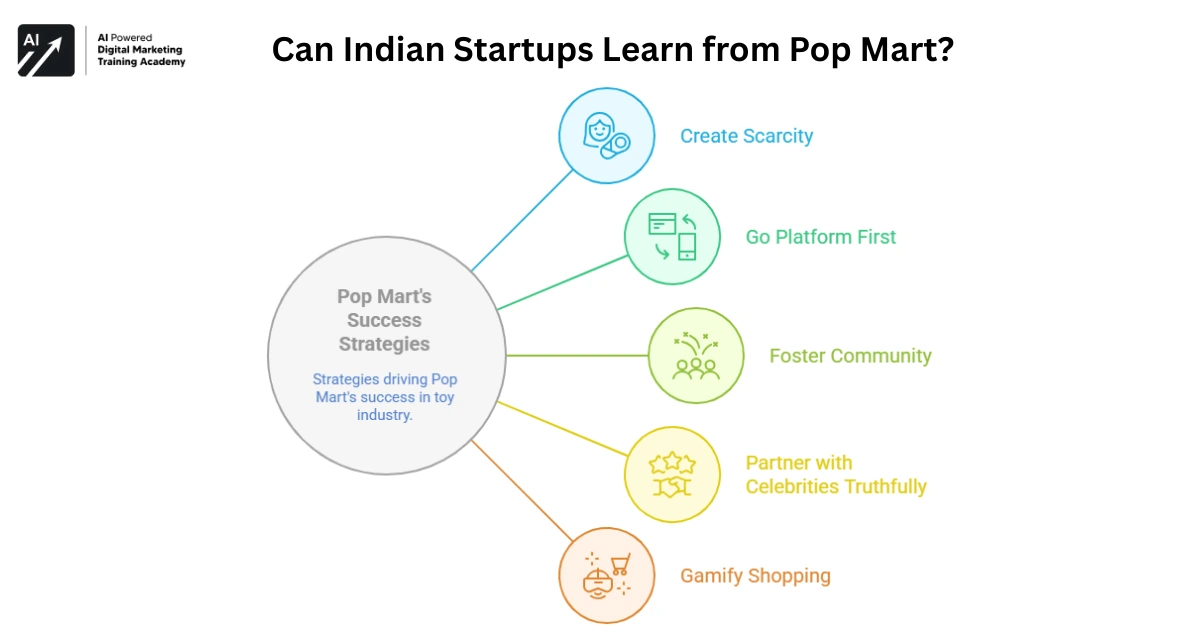
Yes. Here are five takeaways Indian D2C or toy companies can glean from the Labubu doll frenzy:
- Create Scarcity: Limited runs = increased demand
- Go Platform First: Don’t think in terms of shelves; create a fun mobile or web app
- Foster Community: Let fans be your brand ambassadors
- Partner with Celebrities Truthfully: The perfect timing can get viral
- Gamify Shopping: Make purchasing fun, surprising, and narrative-driven
What’s Next for Pop Mart & Labubu?
- Global market expansion to new markets (Europe, Southeast Asia)
- Limited-edition influencer partnerships
- NFT-like digital collectibles
- Pop Mart already heavily invests in gamification, AR, and blockchain-supported digital toys. The mania of Labubu is just the start
Conclusion
What began as a quirky blind box collectible evolved into a billion-dollar pop culture phenomenon through clever branding, emotional narratives, and Rihanna’s golden touch
The Labubu Doll Craze is evidence that the consumer today seeks more than a product experiences, stories, and belonging.
Pop Mart provided all three, making a small vinyl toy a worldwide powerhouse
In the era of digital attention, even playthings can turn into tech, and fandoms can turn into billion-dollar industries.
If you’re developing a brand in today’s time, take a lesson from Pop Mart generate craving, build scarcity, and never undervalue the power of a doll