

Brand strategy isn’t about logos. It isn’t about colors, fonts or layouts. It is about clarity. Every business already has a brand, whether it created one intentionally or not. People build their opinions from every interaction they have with you. Your website, tone, content and service. Even your silence. All of it shapes how people feel about you. And that feeling becomes your brand.
So, the real question isn’t: Do I have a brand?
But the real question is this: Is my brand clear, intentional, and consistent?
That’s exactly what brand strategy helps you build.
When brand strategy is clear:
- People understand who you are
- Trust builds faster
- Your message stays consistent
- Growth feels steady and intentional
When strategy is missing:
- Communication feels confusing
- Design feels random
- Marketing feels scattered
- Trust breaks easily
This guide explains brand strategy in simple language so you can actually use it, not just read about it.




What Is a Brand Strategy
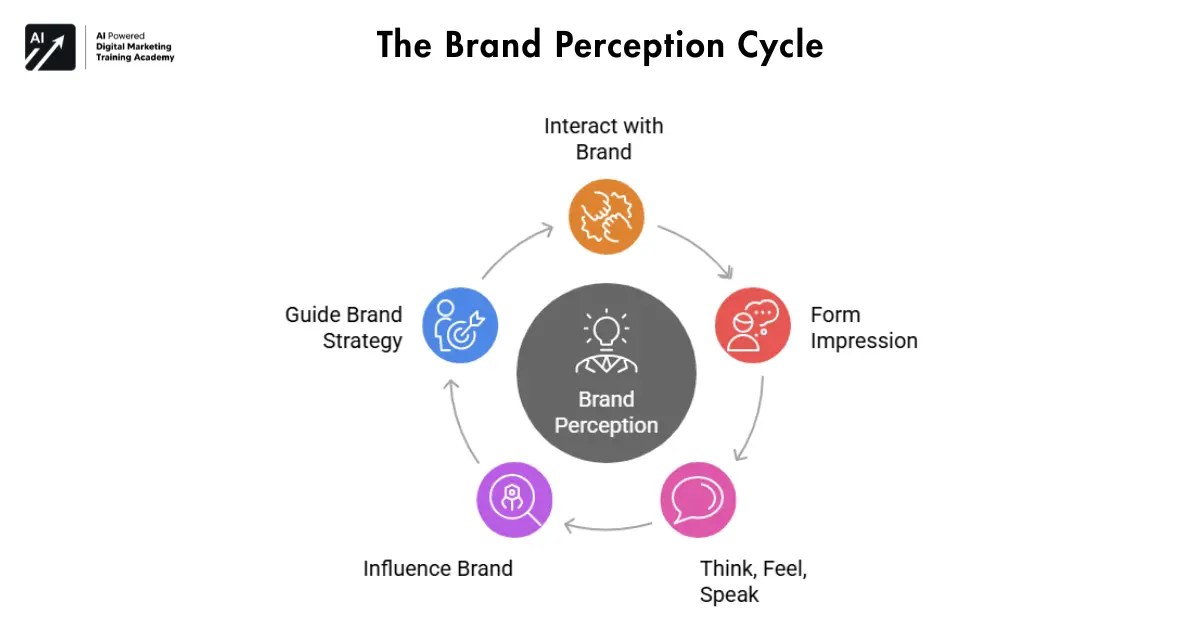
Brand strategy is the thinking behind how people experience your brand. Your brand isn’t your own description. It is what people say about you when you’re not around. Brand strategy is how you guide those thoughts and feelings on purpose. Many people mix up brand strategy with branding but they’re not the same.
- Branding is what people see
- Brand strategy is what people understand
Brand strategy answers questions like:
- Who are we really?
- What do we stand for?
- Who is our brand for?
- What problem do we actually solve?
- Why should people trust us?
Without strategy, businesses guess. With strategy, businesses decide with confidence. Brand strategy creates direction. It turns random decisions into intentional choices.
Why Strategy Comes Before Design or Marketing
Most businesses race straight into logos, websites, and posts. It feels like progress because you can see results. But skipping strategy creates bigger problems later.
Without brand strategy:
- Messaging keeps changing
- Design doesn’t mean anything
- Teams don’t know what to say
- Customers feel unsure
Strategy is like a blueprint. You don’t start a house with paint or decorate before you build the structure. Brand strategy helps you:
- Make clearer decisions
- Stay consistent
- Save time and money
Build trusts the right way slowly and steadily
Instead of asking: Does this look good?
You start asking: Does this represent who we are?
That one shift changes everything.
Brand Strategy vs Branding vs Marketing
This confusion weakens more brands than anything else.
Brand Strategy
The thinking and direction define who you are and why you exist always comes first.
Branding
The visual and verbal expression, logos, colors, fonts, tone comes after strategy.
Marketing
Promotion and communication. Ads, campaigns, content uses branding and strategy.
If strategy is weak, branding feels empty. If branding is unclear, marketing feels loud and ineffective. Strong brands build in this order:
Strategy → Branding → Marketing
The Brand Strategy Process
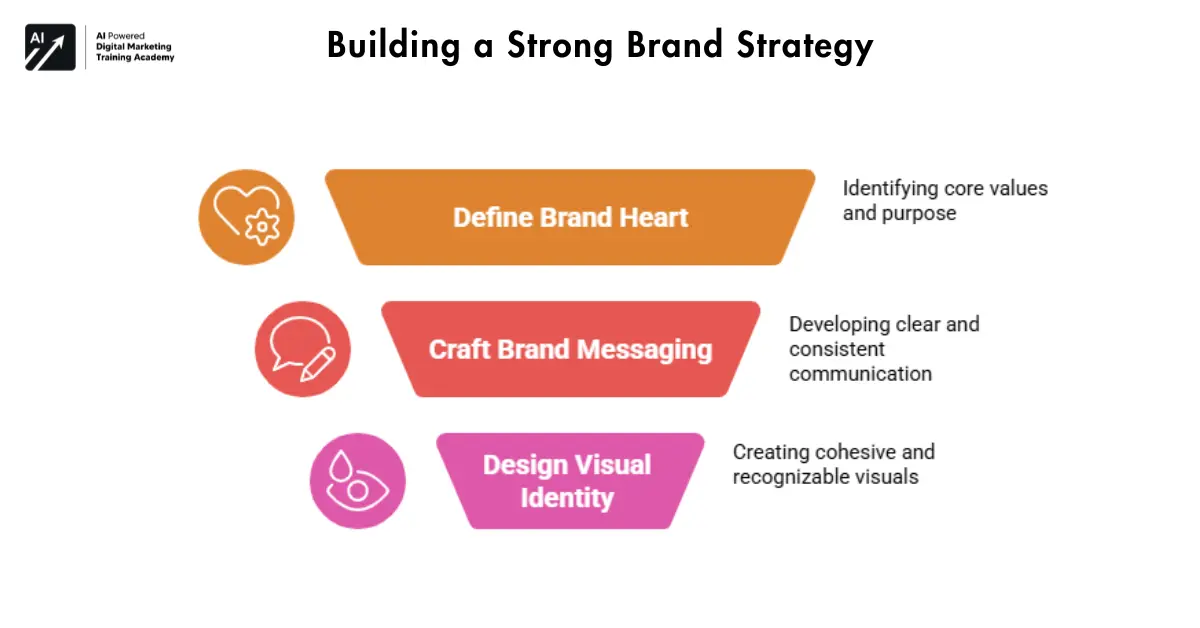 You don’t need complex frameworks to build a strong brand. At the core, brand strategy has three main parts:
- Brand Heart – who you are
- Brand Messaging – how you talk about who you are
- Visual Identity – how your brand looks and feels
When these work together, your brand feels real, reliable, and familiar.
Part 1: Brand Heart – The Core of Your Brand
Brand heart is the foundation of everything. It defines who you are before you design, write, sell, or promote. It answers one important question:
What does this brand truly stand for?
Brand heart includes four elements:
Purpose – Why You Exist
Purpose explains why your brand matters beyond making money. It answers:
- What problem do we care deeply about?
- Why does this brand deserve to exist?
Brands without purpose chase trends. With purpose stay grounded.
Vision – Where You’re Going
Vision explains the future you aim to build. It isn’t about today, it’s about direction.
Vision helps you:
- Guide long-term choices
- Inspire your team
- Stay focused
Mission – What You Do Daily
Mission turns big ideas into daily action. It explains what you actually do to move toward your vision.
Values – How You Behave
Values guide how your brand shows up in the world. They influence:
- Your communication
- Your team culture
- Your customer experiences
Values help you decide what fits and what doesn’t. Brand heart isn’t written for customers alone.
It’s written for you, your team, and your decisions. When brand heart is clear:
- Decisions become easier
- Messaging feels honest
- Branding feels natural
Part 2: Brand Messaging – How You Talk About Who You Are
Brand messaging turns your brand heart into words people actually understand. It defines:
- What you say
- How you say it
- What you repeat again and again
Good messaging sounds human, not corporate.
Brand Essence – The Core Feeling
It’s the emotion your brand stands for. If someone asked: What is this brand really about? Your essence is the short, emotional answer.
Tagline – Expressing the Essence
A tagline turns your brand essence into a few simple words. A strong tagline:
- Feels natural
- Sounds simple
- Sticks in memory
It doesn’t explain everything. It captures the feeling.
Value Proposition – Why People Choose You
Your value proposition tells people why you’re the right choice. It focuses on:
- Clarity
- Relevance
- Real value
Not hype. Not exaggerating.
Messaging Pillars – What You Repeat
Messaging pillars are the 3-5 main ideas you talk about often. They help you:
- Stay focused
- Avoid confusion
- Build recognition
Strong brand messaging:
- Uses simple words
- Avoids empty buzzwords
- Sounds consistent everywhere
And when messaging is clear, trust grows naturally.
Part 3: Visual Identity – The Visual Expression of Your Brand
Visual identity is your brand’s look and feel. Many people think visual identity is the brand. It is not. It is the expression of your brand strategy, not the foundation. When visual identity is built without strategy:
- It looks nice but feels empty
- It changes often
- It fails to build recognition
When visual identity is built on a clear brand strategy:
- It feels intentional
- It supports trust
- It creates memory
Visual identity includes several elements that must work together.
Logo – A Symbol, Not the Brand
A logo is a symbol of recognition. It makes your brand easy to identify, but on its own, it doesn’t tell people who you really are. A strong logo:
- Is simple
- Is easy to recognize
- Works across platforms
A logo should never carry the full responsibility of branding. That is the job of strategy and messaging.
Typography – How Your Brand Sounds Visually
Fonts affect how your brand feels, even before people read the words. Typography communicates:
- Personality
- Tone
- Confidence
For example:
- Clean fonts feel modern and clear
- Rounded fonts feel friendly
- Sharp fonts feel bold and strong
Consistency matters more than variety. Using too many fonts creates confusion.
Color Palette – Emotion and Memory
Colors trigger emotion. They help people feel something before they think. A strong color palette:
- Matches your brand heart
- Stays consistent
- Builds recognition over time
Random color use weakens brand memory. Consistent color use strengthens recall.
Imagery Style – How Your Brand Shows Up Visually
Imagery includes:
- Photos
- Illustrations
- Graphics
Your imagery style should follow one clear direction. Ask:
- Do our images feel human or polished?
- Are they bright or muted?
- Are they realistic or abstract?
When imagery is consistent, the brand feels familiar.
Iconography – Small Details That Add Clarity
Icons support communication. They help:
- Improve understanding
- Guide attention
- Add personality
Even small visual details shape brand perception.
How Brand Heart, Messaging, and Visual Identity Work Together
A strong brand does not rely on one element. It relies on alignment.
- Brand heart defines who you are
- Brand messaging explains who you are
- Visual identity shows who you are
When these three work together:
- Your brand feels confident
- Your communication feels clear
- Your audience feels safe choosing you
Misalignment causes confusion. For example:
- Friendly words with aggressive visuals
- Premium pricing with casual messaging
- Bold visuals with weak purpose
Strong brands avoid this by building a complete system, not random parts.
Brand Guidelines – Turning Strategy into Daily Action
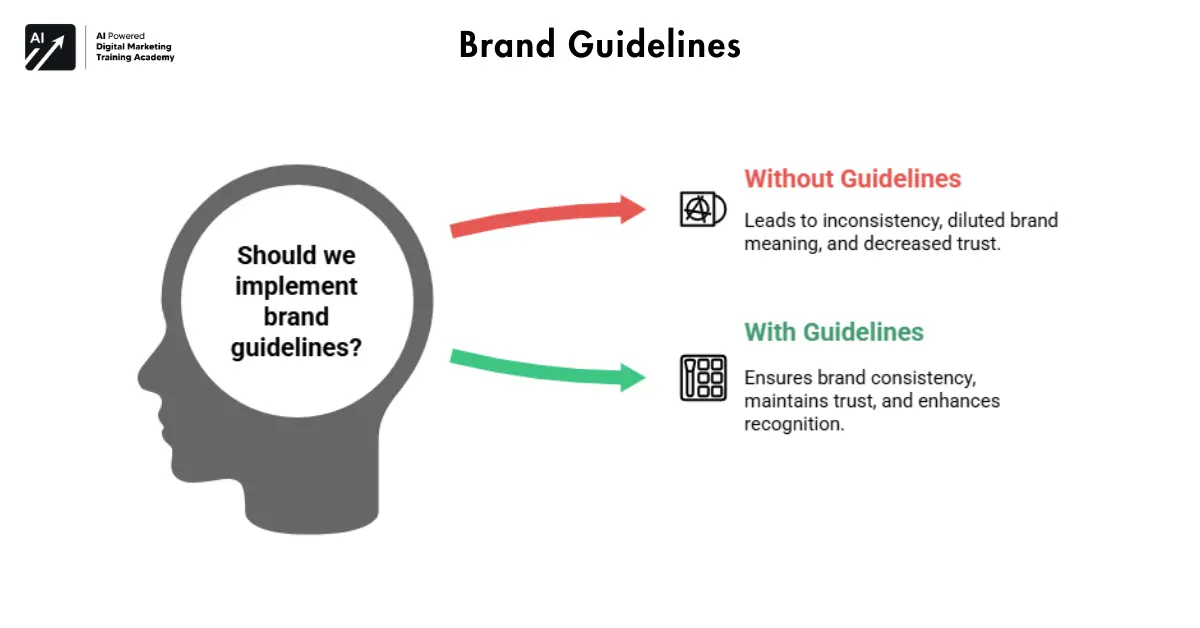 Brand guidelines bring everything together. They keep your brand consistent, no matter who’s creating the work. Brand guidelines explain:
- How to use the logo
- Which colors and fonts to use
- How the brand should sound
- What visuals fit the brand
- What to avoid
Guidelines help designers, marketers, content writers, agencies and partners. Without guidelines every platform looks different, messaging drifts, brand trust weakens. With guidelines, the brand feels stable, recognition grows and trust builds faster. Brand guidelines are not restrictions. They protect clarity.
Common Brand Strategy Mistakes
It’s rarely about effort. Most brands struggle because clarity is missing. Here are common mistakes:
- Mistake 1: Treating Branding as Only Design: Design without strategy creates surface-level branding. Fix: Start with brand heart and messaging.
- Mistake 2: Copying Competitors: Copying feels safe but removes differentiation.
Fix: Define what makes you different. - Mistake 3: Stop Changing Your Messaging: Frequent changes confuse audiences.
Fix: Repeat core messages consistently. - Mistake 4: Skipping Strategy Backfires: Skipping the strategy costs more time later.
Fix: Slow down early to grow faster later.
How Brand Strategy Impacts Business Growth
Brand strategy isn’t just about looking good in people’s eyes. It affects real business outcomes.
Clear brands:
- Attract the right audience
- Build trust faster
- Improve conversion rates
- Support premium pricing
- Increase loyalty
When people understand you, they hesitate less. Brand strategy reduces confusion at every stage:
- Marketing
- Sales
- Customer experience
Growth feels easier because decisions align.
Who Needs a Brand Strategy?
Brand strategy is not only for large companies. It is essential for:
- Startups building from scratch
- Small businesses seeking clarity
- Service providers building trust
- Personal brands growing authority
- Creators and consultants
If people interact with your business, they form opinions. Brand strategy helps you guide those opinions intentionally.
Simple Brand Strategy Audit
Ask yourself:
- Can I explain my brand purpose clearly?
- Do all platforms sound the same?
- Do visuals feel consistent?
- Do people understand what we do quickly?
- Does everything feel aligned?
If the answer is no to many of these, brand strategy needs work.
How to Implement Brand Strategy Step by Step
Here is a simple implementation path:
- Define your brand heart
- Clarify your brand essence and messaging
- Build visual identity based on strategy
- Create brand guidelines
Apply consistently across platforms Do not rush. Clarity compounds over time.
Brand Strategy Recap – Everything in One View
A complete brand strategy includes:
- Brand Heart – the core of your brand
- Brand Messaging – how you talk about who you are
- Visual Identity – how your brand looks and feels
Brand guidelines bring these together into one system.
Final Thoughts – Bringing Your Brand to Life
Brand strategy isn’t something you do once and forget. It is a way of thinking.
When brand strategy is clear:
- Decisions feel easier
- Marketing feels aligned
- Growth feels stable
Follow these three parts:
- Brand Heart
- Brand Messaging
- Visual Identity
Bring them together with brand guidelines. That is how brands stop guessing and start leading.