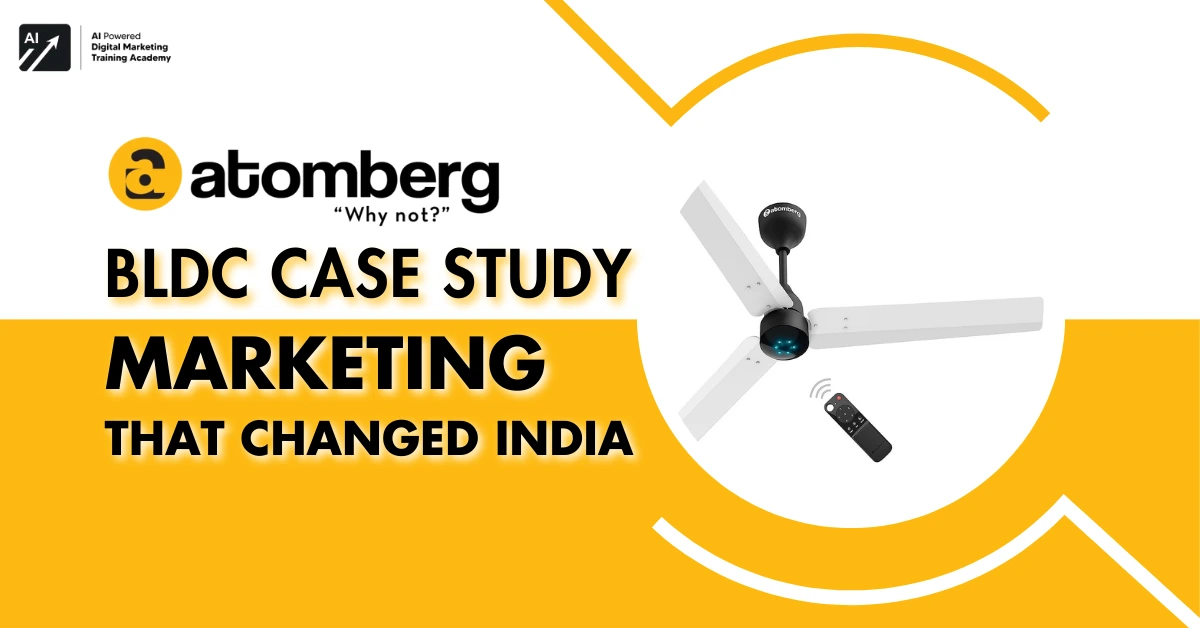

In a sector dominated by ancient behemoths of appliances, a modern success story of innovation, sustainability and smart marketing was Atomberg Technologies.
Their core product? BLDC (Brushless Direct Current) fans, a segment that was almost unseen until Atomberg revived it.
This Atomberg BLDC case study goes deep into how Atomberg used technology,
narrative and digital-first strategies to not just sell fans, but make a premium Indian brand in the energy-saving space
Know the Product What is BLDC Fans?
But before we discuss marketing, let’s decode the product
What is BLDC Technology?
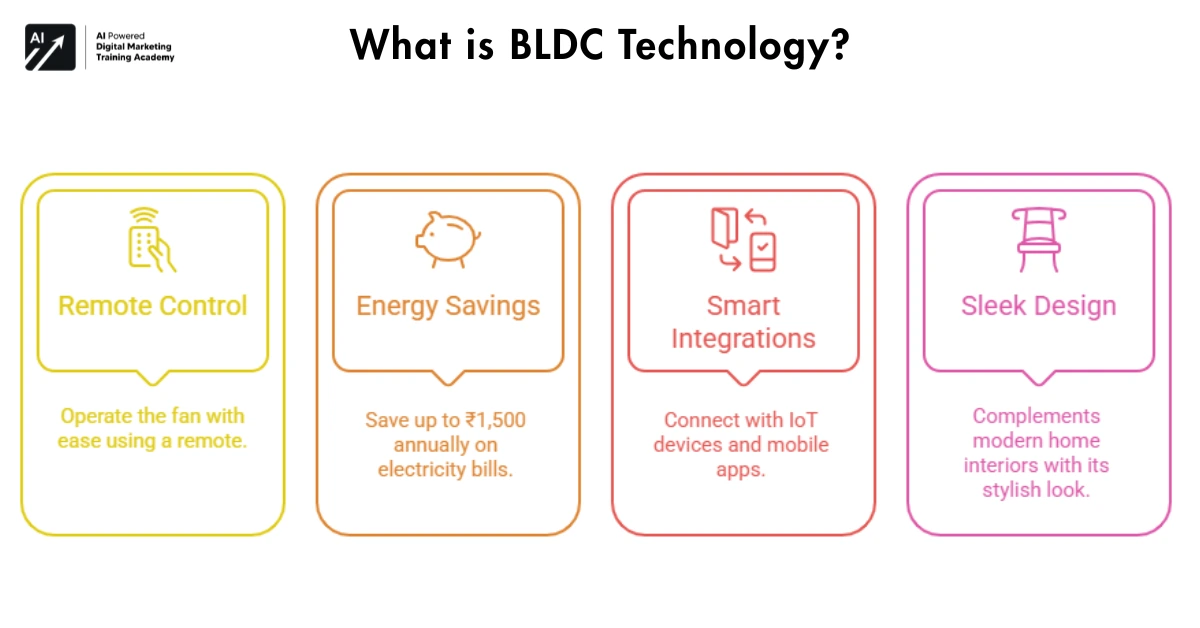
BLDC is referred to as Brushless Direct Current For one, instead of induction motors, BLDC fans already consume less power, are quieter, and last longer than traditional fans.
Related Posts

Atomberg’s BLDC fans consume 28-35W of electricity while conventional fans take up 70-80W. That’s almost 65% energy savings.
Key Product Features That Makes Atomberg Stand Out
- Remote-controlled operation
- Ambani said the users can save up to ₹1,000–₹1,500 a year
- Intelligent integrations with IoT & Mobile Apps
- Then, it is the sleek design that goes well with today’s home
This breakthrough has given Atomberg an edge not only in tech but in positioning itself as a “smart and sustainable” lifestyle brand
Market Gap and Opportunity
Back when Atomberg was getting started, there had been “very little innovation in ceiling fans,”
There were technology-marketing giants like Crompton, Havells and Usha with something close to monopolies
But these legacy players were mostly peddling low-tech, low-efficiency versions of their equipment
Atomberg Unique Positioning
Atomberg was a D2C brand and they had launched with a premium product and message.
Switch to smarter, energy-efficient living
Rather than price, they competed on
- Energy efficiency
- Smart technology
- Design and experience
It also let them pick off eco-conscious, tech-savvy urban households that were prepared to spend a bit more on innovation and long-term savings
The Marketing Strategy that Fueled the Growth
In its early days, Atomberg didn’t depend on conventional sales channels of dealers and showrooms.
They dedicated themselves instead to digital marketing, content, and D2C ecommerce
Digital-First Launch
Atomberg focused on
- SEO and Google Ads on keywords such as ‘best energy saving fan’
- Amazon & Flipkart Presence With Sponsored Listings
- Sales directly to consumer on their own website
This enabled them to dictate margins and establish brand with users
Storytelling with Purpose
Rather than trying to sell “airflow speed,” the way most fan ads tend to do, Atomberg said that it would concentrate on the emotional and economic benefits
- Save money on electricity
- Reduce your carbon footprint
- Upgrade your lifestyle with tech
They tapped the middle-class obsession with better homes and smarter gadgets
Social Media + Influencer Collaborations
Atomberg ran:
- YouTube explainer ads showing BLDC savings
- Instagram influencer collabs showing fan aesthetics in their actual homes
- LinkedIn brand toolkit to entice partners and establish themselves as a startup shaking up hardware
The content was clean, valuable and educational while appealing specifically to the home improvement enthusiast and the young tech-savvy family
Product as Marketing
Atomberg being able to raise ad budgets alone wasn’t the only thing Atomberg depended upon.
Their product story itself became their greatest marketing asset
Reviews & Word of Mouth by Customers
As the product delivered superior performance and lower electricity bills, customers began to rush
- Got my electricity bill reduced
- It just makes life so easy when you can remote control
- Feels like an Apple product in my living room
After-Sales & Brand Loyalty
Their prompt customer support and warranty services won trust a particularly key element in home appliances.
Repeat purchases and referrals allowed them to scale without hemorrhaging on acquisition costs
Pricing Strategy That Worked
Atomberg was no bargain, but it wasn’t overpriced either.
They held an upper-mid range price range most of their phones were priced between ₹3,000 to ₹4,000 and marketed themselves as a premium affordable brand
They often bundled:
- Discounts on multiple purchases
- Cashback offers
- Free installation
We have converted a first-time buyer because of product and value positioning, though there is resistance to spend more than ₹1,500–₹2,000 on a fan,
Results and Recognition
Atomberg scaled fast. By 2023-2024, they
- Sold over 1 million units
- Had a 200+ member team
- Partners, Jungle Ventures and Steadview Capital Invested recent funding from
- Featured in Forbes India’s 30 Under 30 and YourStory for hardware startup success.
In very short time span, Atomberg evolved from a garage startup to a national level brand, that is now giving head to head competition to even legacy players
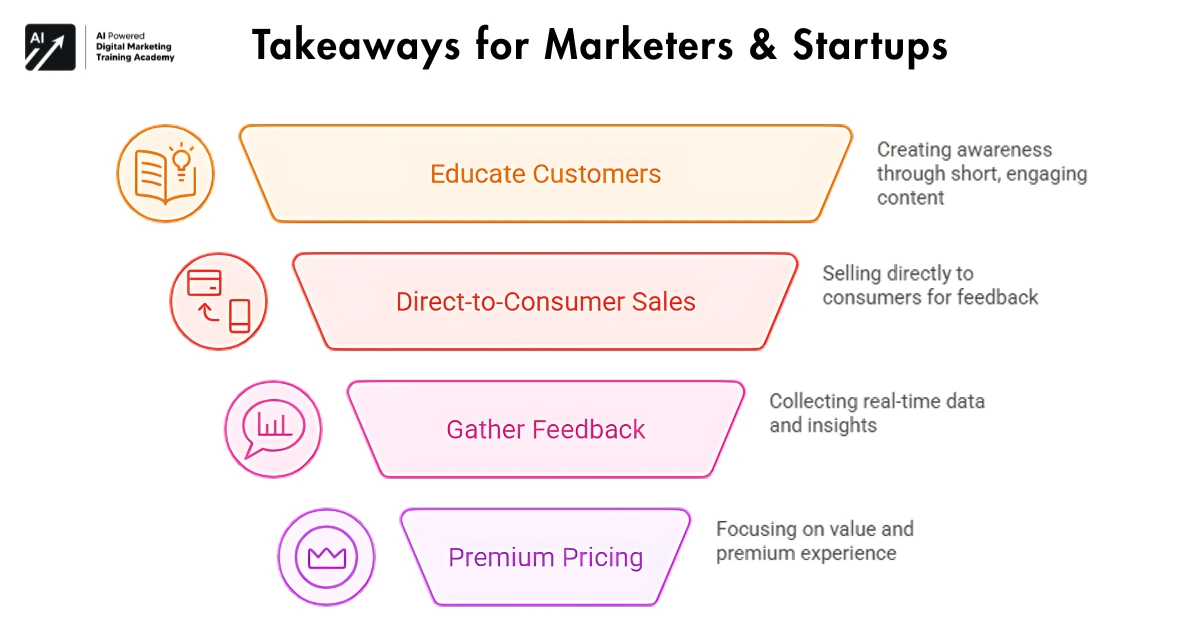
Takeaways for Marketers & Startups
Solve Real Problems
Atomberg didn’t sell a fan only. A pain point they addressed: oppressive electricity bills and the absence of a smart thermostat
Educate Your Customer
They didn’t anticipate that people would know what BLDC stood for. Rather, they produced short, snappy content to generate awareness
Direct-to-Consumer and Feedback Loops Are Keys
Selling direct to consumers enabled them to have feedback, insight, and control around real-time data, pricing, branding, and customer support
Don’t Be Afraid to Be Premium
Instead of going to the bottom, they stayed value-focused and premium and made their price felt with tech, with design, with experience
Final Takeaway For Atomberg BLDC Case Study
Atomberg BLDC case study is a testimony to the fact that hardware innovation + smart marketing = recipe of success.
They sold fans, sure, but also a smarter, more sustainable way of life to Indian consumers who were ready for a change
If you’re building a consumer product in India today, take note
In a noisy world, clarity, tech, and trust win.