

A few years ago, one of my friends started a small handmade soap business from her home. Her products were honestly good. It smells nice. Clean packaging. Fair price too. But she had no idea about digital marketing for business growth, so very few people even knew her business existed.
But nobody knew she existed. She kept posting random product photos online and hoped people would buy. Some days she got 3 likes. Some days nothing at all. I still remember her saying, “Maybe online business just isn’t for me.”
The problem wasn’t the product and the problem was direction. A lot of small businesses go through this exact thing. They start social media pages, build a website, maybe run one or two ads… and then get disappointed because nothing really happens. Truth is, digital marketing isn’t magic. It’s more like building trust slowly. People need to see you, understand you, and feel confident before they spend money.
That’s where a proper strategy changes everything. If done right, digital marketing for business growth can help even a tiny business compete with bigger brands. I’ve seen it happen many times. Not overnight though. Real growth usually looks messy at first. Still worth it.
Stop Trying to Reach Everyone
One mistake almost every new business makes? Trying to attract everybody. It sounds smart in the beginning. More people means more sales, right? Not really. When your message is too broad, people don’t connect with it.
A fitness coach talking to:


- busy moms
- college students
- bodybuilders
- elderly people
- athletes
All at the same time will confuse people. Your business needs a clear position.
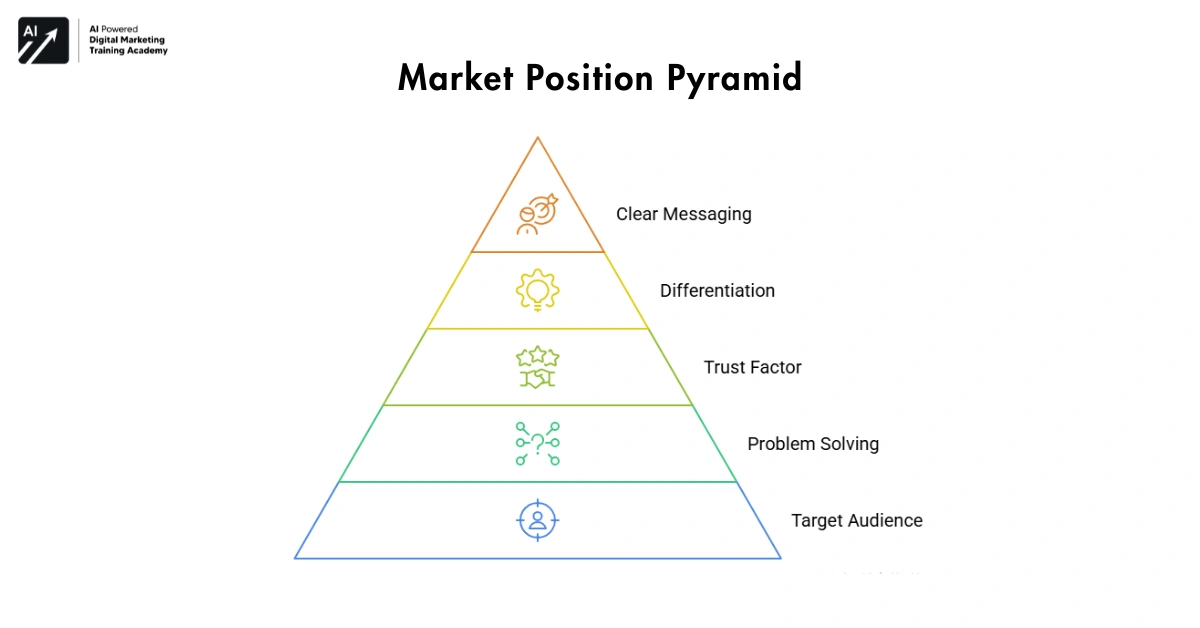
Define Your Market Position Properly
Ask yourself:
- Who exactly needs my product?
- What problem am I solving?
- Why should someone trust me over others?
- What makes my business different?
Your answers don’t need to sound fancy. Simple is better.
For example:
- “Affordable skincare for students”
- “Digital marketing help for local shops”
- “Healthy snacks for office workers”
That clarity matters more than people think. When people instantly understand your brand, marketing becomes easier. A lot easier.
Build Your Digital Foundation Before Running Everywhere
Honestly, many businesses jump straight into ads and reels without setting up the basics first. That creates chaos later. You need a strong base online before pushing traffic.
Your Website Still Matters
Some people think social media is enough. I don’t agree. Your website is like your online shop. If it looks confusing or slow, people leave fast.
Your website should have:
- Clear homepage
- Easy navigation
- Mobile-friendly design
- Fast loading speed
- Contact information
- Real photos if possible
- Simple call-to-action buttons
Nothing complicated. People don’t want to “explore” too much. They want quick answers.
Create a Google Business Profile
Especially for local businesses.
It helps people find:
- your location
- phone number
- reviews
- opening hours
And yes, reviews matter more than most ads now. Sometimes one honest customer review sells better than 20 promotional posts.
Create a Content Authority Strategy That Feels Real
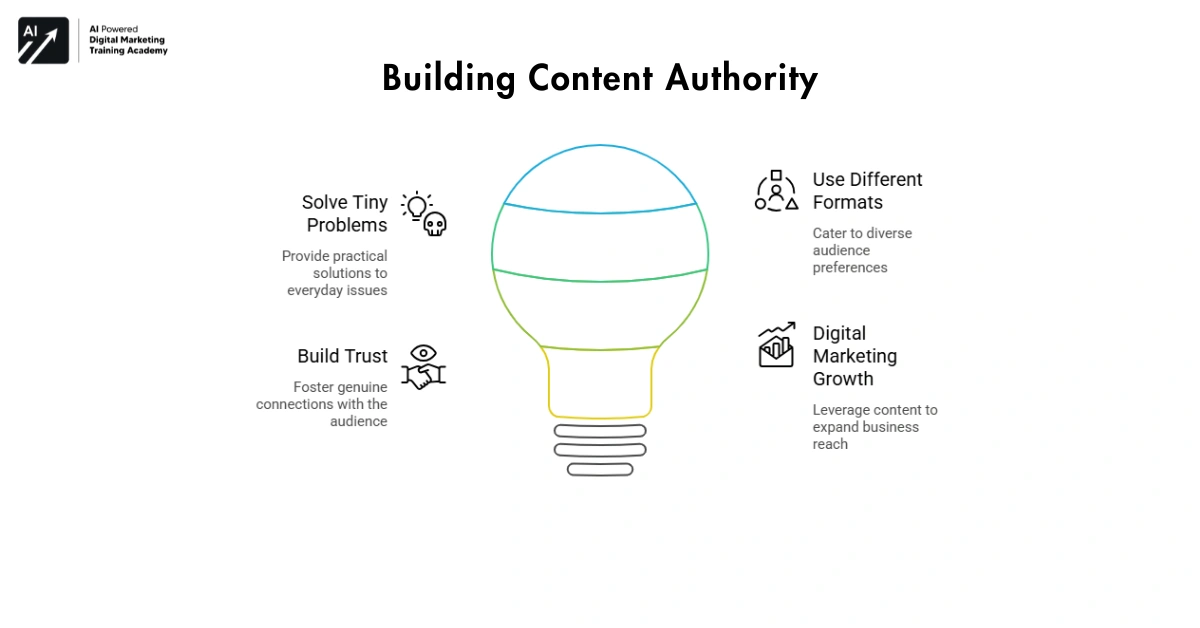
This part changed everything for many businesses I’ve worked with. Instead of constantly selling and starting to help. People trust businesses that teach them something useful. That’s how authority grows naturally.
Content Should Solve Tiny Problems
Don’t overthink content. You don’t need movie-level production and simple helpful content works.
A bakery can post:
- cake storage tips
- behind-the-scenes videos
- common baking mistakes
- birthday cake ideas
A dentist can post:
- brushing mistakes
- teeth whitening myths
- kids dental care tips
You get the idea and the goal isn’t only views and goal is trust. That’s where digital marketing for business growth starts becoming powerful. Trust compounds slowly over time.
Use Different Content Formats
Not everybody likes reading blogs.
Some prefer:
- short videos
- infographics
- carousels
- podcasts
- emails
- live sessions
Try different formats and notice what your audience responds to. Honestly, sometimes a random casual reel performs better than a perfectly edited video. The Internet works weirdly sometimes.
Use Search Intent Based SEO Instead of Random Keywords
SEO used to feel easier years ago. Now competition is everywhere and still, good SEO works amazingly when done correctly.
The mistake? Businesses chase keywords without understanding why people search. That’s where search intent matters.
Understand What People Actually Want
Someone searching:
- “best laptop under 50000”
is probably ready to buy.
But someone searching:
- “how laptops work”
is just learning.
Those are two completely different audiences and your content should match the user’s intent. If people want answers, give answers and If they want comparisons, give comparisons. If they want pricing, don’t hide it behind 10 paragraphs.
Focus on Helpful SEO
Good SEO today is less about stuffing keywords and more about usefulness.
Google notices when users:
- stay longer
- click around
- engage naturally
Write content like you’re helping a real person. Because honestly and you are. And yes, digital marketing for business growth becomes more sustainable when your website gets organic traffic consistently. Ads stop when money stops and SEO keeps working longer.
Social Media Is Distribution, Not Just Entertainment
A lot of business owners treat social media like a diary. Post anything and hope something works and this repeats. That approach usually burns people out. Social media should distribute your message strategically.
Pick Fewer Platforms
You don’t need to be everywhere.
Managing:
- YouTube
- X
- Threads
All together becomes exhausting and choose platforms based on your audience.
Examples:
- B2B services → LinkedIn
- Fashion brands → Instagram
- Tutorials → YouTube
- Home decor → Pinterest
Focus deeply instead of posting randomly everywhere.
Talk Like a Human
People can sense robotic marketing instantly now. Try sounding normal.
Instead of:
“Experience premium quality solutions for your business needs.”
Say:
“We help small businesses get more customers online.”
Simple wins.
Engagement Matters More Than Followers
I’ve seen accounts with:
- 5,000 followers making real money
And accounts with:
- 200,000 followers struggling badly.
Followers don’t automatically mean customers.
Pay attention to:
- comments
- saves
- shares
- DMs
- email signups
Those signals matter more.
Build a Lead Generation Funnel Slowly
Most visitors won’t buy immediately and that’s normal and people need time. This is where funnels help and no, funnels don’t need complicated software in the beginning.
What a Simple Funnel Looks Like
A basic funnel can be:
- Social media post
- Free helpful resource
- Email signup
- Follow-up emails
- Offer or service
That’s it.
Simple funnels often work better than overcomplicated systems.
Offer Something Useful for Free
People protect their email carefully now. So give them a reason.
Examples:
- free checklist
- short ebook
- free consultation
- mini course
- templates
- discount code
The free item should solve one small problem quickly. Not a giant life-changing promise.
Email Marketing Still Works
People keep saying email is dead. Honestly? Not true. Email works because you own the audience. Social media algorithms can destroy your reach anytime. Your email list stays yours. That’s why smart businesses keep building lists quietly in the background.
Use Data Driven Optimization Instead of Guessing
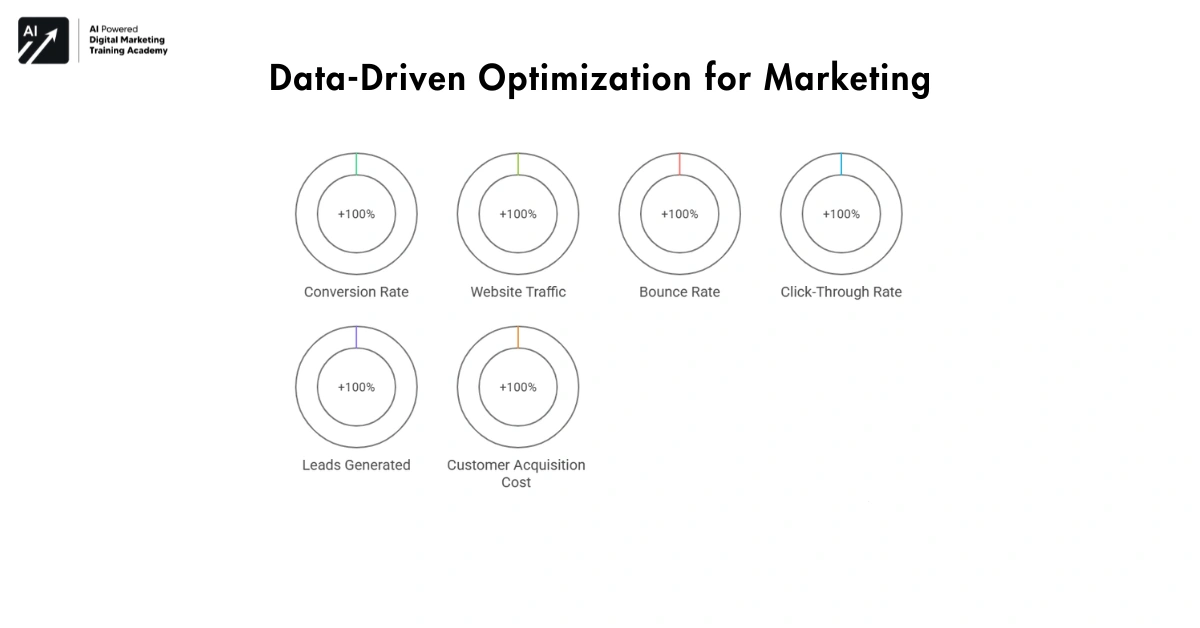
This part sounds boring but it saves money. A lot of money and many businesses keep running bad campaigns simply because they never check the data properly.
Watch the Right Numbers
Don’t obsess over vanity metrics only.
Track:
- conversion rate
- website traffic
- bounce rate
- click-through rate
- leads generated
- customer acquisition cost
These numbers tell the real story.
Small Changes Can Improve Results
Sometimes tiny adjustments change everything.
Like:
- changing a headline
- improving button text
- shortening a form
- using better thumbnails
You don’t always need a huge redesign and just testing consistently helps. And honestly, data removes emotional decisions from marketing. That matters more than people realize.
Paid Ads Can Help, But Don’t Depend Fully on Them
Ads are useful and very useful sometimes. But businesses become vulnerable when ads are their only source of traffic. I’ve seen companies panic after one algorithm update. That’s stressful.
Use Ads With Purpose
Don’t boost random posts blindly.
Run ads for:
- lead generation
- product launches
- retargeting visitors
- collecting emails
- special offers
Know the goal before spending money.
Retargeting Works Surprisingly Well
Most people don’t buy the first time they visit and retargeting reminds them you exist. Ever looked at shoes once and then saw those same shoes everywhere online? Exactly and that’s retargeting and it works.
Your Brand Voice Matters More Than Fancy Design
People remember how brands make them feel and not just logos. Some businesses have average designs but amazing communication. That connection builds loyalty.
Be Consistent
Your tone should feel similar everywhere:
- website
- Instagram captions
- emails
- ads
- blog posts
You don’t need to sound overly professional all the time. You just need to sound genuine.
Share Real Stories
Customers connect emotionally with stories.
Share:
- struggles
- lessons
- behind-the-scenes moments
- small wins
- customer experiences
Perfect brands often feel fake and human brands feel trustworthy.
Don’t Ignore Local Marketing
Especially if your business serves nearby customers. Local digital marketing can grow surprisingly fast.
Encourage Reviews Naturally
Happy customers usually stay silent unless asked. So ask politely. Reviews improve trust immediately. People check reviews before buying almost everything now.
- Restaurants.
- Clinics.
- Gyms.
- Even small local shops.
Use Local Keywords
If you serve a city or area, mention it naturally in your content.
Examples:
- “best salon in Hyderabad”
- “digital marketing agency in Vizag”
Local SEO still brings strong results for small businesses. And for many brands, digital marketing for business growth starts locally before expanding bigger.
Consistency Beats Motivation Every Single Time
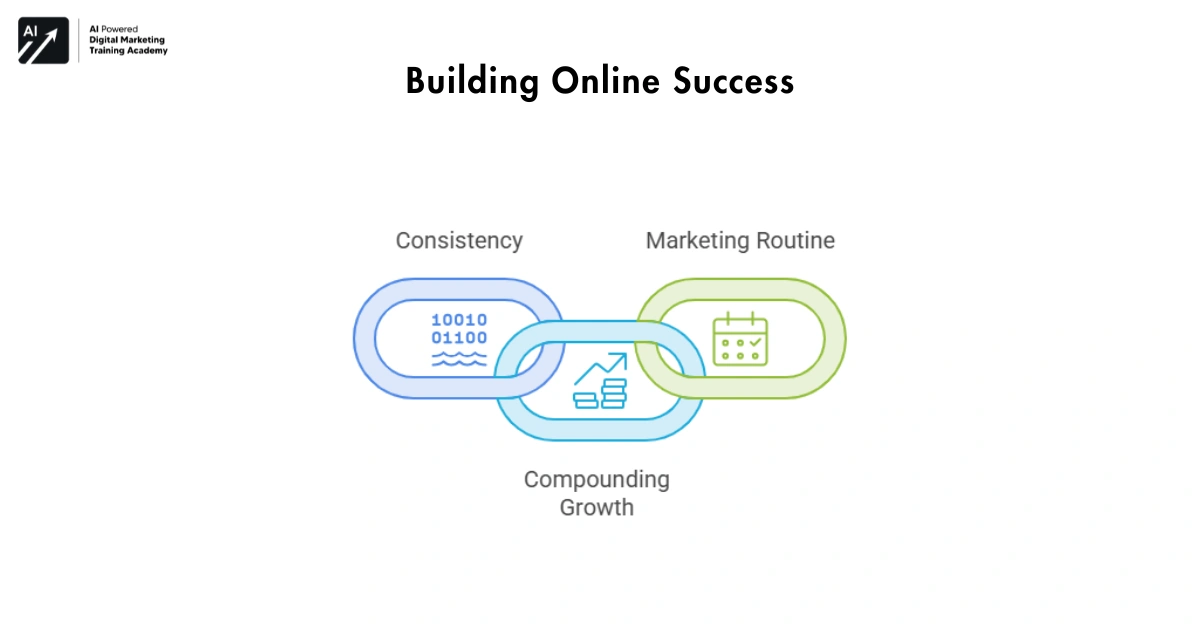
This part isn’t exciting, but it’s true. Most businesses fail online because they quit too early. Not because their business was bad. Growth online usually looks invisible at first.
- You post content.
- Few people react.
- Traffic feels slow.
Then suddenly things start compounding.
- One blog ranks.
- One reel goes viral.
- If one mail campaign performs well.
Momentum builds slowly.
Create a Weekly Marketing Routine
Instead of posting randomly, build a rhythm.
Example:
- Monday → blog post
- Tuesday → Instagram reel
- Wednesday → email newsletter
- Thursday → SEO updates
- Friday → analytics review
Even simple systems reduce stress.
Common Mistakes That Hurt Business Growth Online
Some mistakes repeat constantly. Honestly, almost every business makes at least one of these.
Trying to Copy Competitors Completely
Inspiration is fine and copying everything isn’t. Your business needs personality.
Posting Only Promotional Content
If every post says:
“Buy now”
“Limited offer”
“Discount today”
People eventually ignore you and mix education, entertainment, and promotion naturally.
Ignoring Mobile Users
Most people browse on phones now. If your website feels annoying on mobile, people leave quickly.
Final Thoughts
Growing a business online can feel frustrating sometimes. One day you feel motivated the next day you feel invisible. That’s normal honestly. But businesses that stay consistent usually learn what works eventually.
- You don’t need perfect branding.
- You don’t need viral content every week.
- You don’t need huge budgets either.
You just need clarity, patience, useful content, and a real connection with people. That’s the part many businesses forget. At the end of the day, people buy from brands they trust. And trust takes a little time to grow.