
It’s hard to keep updated with the rapid evolution of digital marketing. Advertisers won’t be thinking in terms of keywords, ad groups, and everyday budgets when they set up their search marketing campaigns. The systems behind the searches will be AI-based; the targets will be user intent that shifts and changes often; and the basis of the data will no longer include personal identifiers.
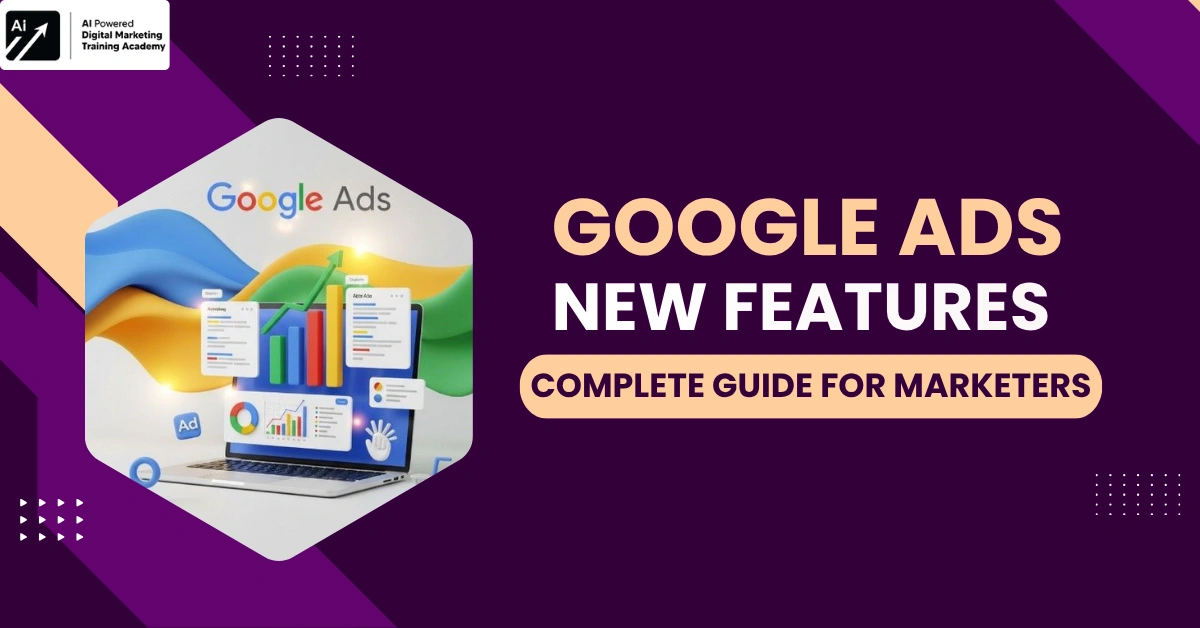
The new Google Ads new features are a true manifestation of the technological era we are living in. Google is gradually shifting towards automation as much as possible as the “doing” part and turning the marketer’s role into one of strategy, imagination and optimization.
This all sounds very frightening if you are new to this. But if you already have a fair amount of experience with running pay per click campaigns, you really shouldn’t worry too much. In fact, the new rules may well find that many of the tasks which currently take up a large amount of your time are significantly reduced. Although the principles of pay per click remain the same, it will be a completely different beast.
In this guide, we’ll break down the research into clear, simple, easy to implement steps.
AI & Automation in Google Ads
Artificial intelligence is no longer just an add-on in Google Ads. It will be more than just a factor. In fact, it’ll be the foundation of the platform.
It’s not that long ago that marketers would spend endless hours on keyword research, trying to work out which terms will return the best ROI, and fiddling about with ad settings to try and find the sweet spot, and running ad tests to validate whatever theories they had. None of that happens with AI.
Smarter Campaign Creation
When you create a campaign today, Google doesn’t just ask for basic inputs. It analyzes your website, landing pages, and goals to suggest:


- Relevant keywords
- Ad headlines and descriptions
- Audience segments
This makes campaign setup faster and more efficient, especially for beginners.
Advanced Smart Bidding
Smart bidding has evolved significantly. It now uses real-time signals like:
- User location
- Device type
- Time of search
- Purchase intent
For example, if someone is searching for your product late at night and Google has a signal that this person is more likely to buy, then Google will prefer your ad and increase your maximum bid to improve your chances of winning that customer.
When you choose Smart Ads, Facebook does the work for you. This means your ads will reach the right people at the right time.
Predictive Targeting
One of the most powerful features in Google Ads updates is predictive targeting. Instead of focusing only on users who have already interacted with your brand, Google analyzes behavior patterns to identify and reach new potential customers who are more likely to convert.
This helps in:
- Expanding reach
- Finding high-quality leads
- Increasing conversions
The Real Shift
The biggest change is not technology. It’s the mindset.
Instead of controlling every detail, marketers now guide the system by:
- Providing clear goals
- Feeding quality data
- Creating strong creatives
New Campaign Types You Must Know
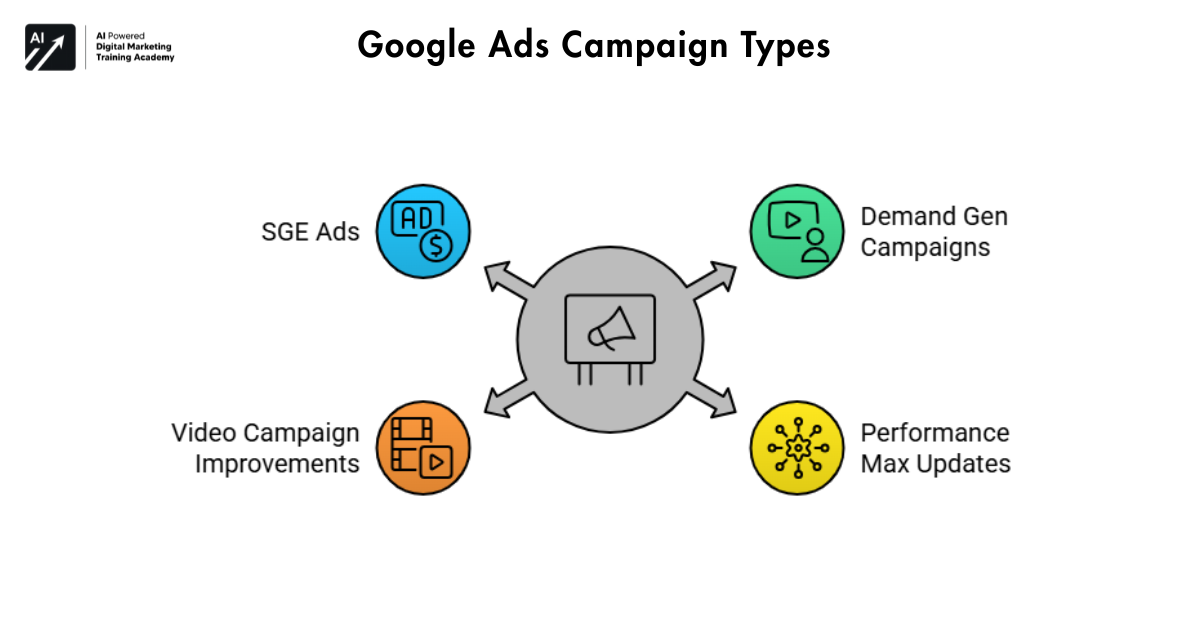 Google has introduced and refined campaign types to match modern user behavior.
Demand Gen Campaigns
Demand Gen campaigns are about creating awareness of a product or service before potential customers are actually ready to purchase. This is before they start doing any actual research online.
They appear across:
- YouTube
- Gmail
- Google Discover
These are primarily visual and storyteller-driven communications. In the fashion sector an advertiser may embark on a campaign of lifestyle images and video in a bid to raise awareness and create want.
Performance Max Updates
Performance Max has been one of the most impactful updates to Google Ads in recent history.
With the latest updates, it offers:
- Better reporting transparency
- Improved audience signals
- Enhanced asset performance insights
Manage just one campaign across all Google networks.
Video Campaign Improvements
Video content continues to grow. Google has improved video campaigns by:
- Enhancing targeting accuracy
- Providing better engagement metrics
- Optimizing delivery automatically
Short-form videos, in particular, are performing exceptionally well.
Search Generative Experience (SGE) Ads
Search results are changing and are becoming more interactive and more AI-driven. Ads are now part of these search results and in a far less obtrusive way.
This improves:
- User experience
- Ad relevance
- Click-through rates
Audience Targeting & Privacy Updates
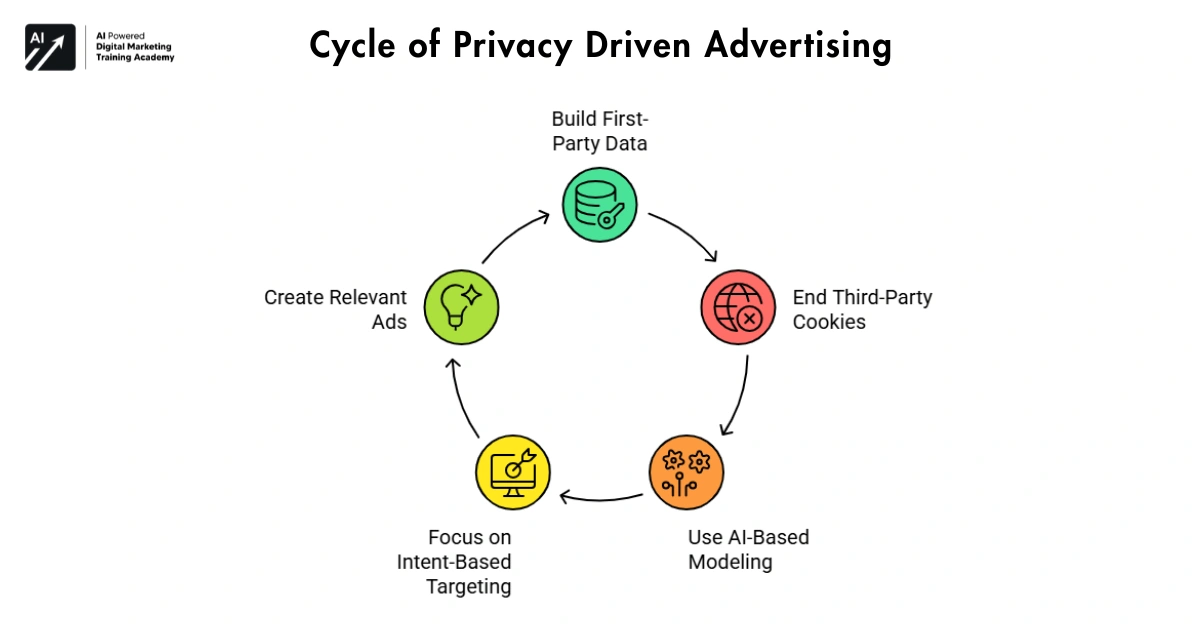 Privacy changes are revolutionizing digital advertising. The Google Ads new features are a clear indication of the strong progression in direction of ethical and privacy-friendly advertising.
Rise of First-Party Data
Businesses are now encouraged to rely on their own data, such as:
- Customer email lists
- Website interactions
- Purchase history
This data is more reliable and compliant with privacy regulations.
End of Third-Party Cookies
Third-party cookies are being eliminated. The good news is that Google is offering some interesting alternatives:
- AI-based modeling
- Aggregated data insights
- Consent-based tracking
Intent-Based Targeting
Instead of tracking individuals, Google focuses on understanding intent.
For example:
Someone searching “best laptops under 50k” shows clear buying intent
Ads are shown based on this context rather than personal data
What This Means for Marketers
You need to:
- Build your own data sources
- Focus on user intent
- Create valuable, relevant ads
Creative & Ad Format Innovations
Creativity is more important than ever, and AI is actually supporting marketers in their quest to be creative and make more creative assets in a shorter period of time.
AI-Generated Creatives
Google can now generate:
- Headlines
- Descriptions
- Images
You now save time through the automation of repetitive tasks, but it is crucial to proofread and modify the generated language to preserve your unique voice.
Responsive Ads Evolution
Personalized ads learn which headline and description combinations work best to drive the most engagement.
This improves:
- Click-through rates
- Engagement
- Conversions
Growth of Visual Content
Users today prefer visual content over text. This includes:
- Short videos
- Interactive ads
- High-quality images
A good number of businesses will have the opportunity to utilize much better video than static imagery.
For example, a real estate business may be able to use property walkthrough videos in place of the traditional static images.
Human Touch Still Matters
Even with automation, human creativity is essential. Focus on:
- Emotional connection
- Clear messaging
- Strong call-to-action
Measurement, Tracking & Analytics Updates
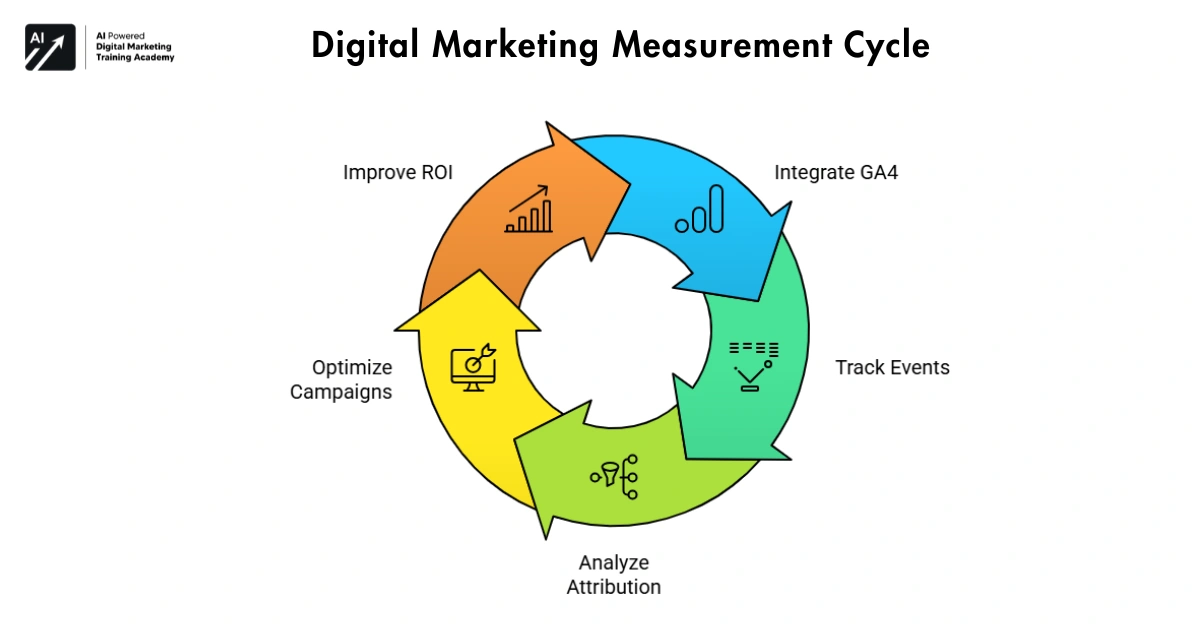 Without a doubt, data is at the heart of everything that we do within the digital marketing world. At Google, we’re constantly evolving and improving the way you measure and analyze your advertising campaigns.
GA4 Integration
Google Analytics 4 provides deeper insights into user behavior.
It tracks:
- Events instead of sessions
- Cross-device interactions
- Entire customer journeys
- Enhanced Conversion Tracking
Even with limited data, Google uses modeling to provide accurate conversion tracking.
Advanced Attribution Models
Google is no longer attributing a conversion to a single interaction.
This helps you understand:
- Which channels drive results
- Where users drop off
- What influences conversions
Better Decision-Making
With improved analytics, marketers can:
- Optimize campaigns faster
- Allocate budgets effectively
- Improve ROI
Bidding & Budget Optimization Features
Budget management has become smarter and more strategic.
Smart Bidding 2.0
Smart bidding now focuses on value, not just conversions.
For example:
- A customer spending ₹10,000 is more valuable than one spending ₹500
- Google prioritizes such high-value users
Value-Based Bidding
This approach helps businesses maximize revenue instead of just generating leads.
Budget Forecasting Tools
Google provides predictions on:
- Expected results
- Required budget
- Performance trends
This makes planning easier and more accurate.
Best Strategies to Use Google Ads
Knowing the features is not enough. You need the right approach.
Focus on Strategy, Not Just Setup
Define:
- Clear goals
- Target audience
- Expected outcomes
Use AI as a Partner
Let AI handle optimization, but guide it with:
- Strong creatives
- Quality data
- Clear objectives
Test and Improve Continuously
Run experiments with:
- Different ad copies
- Visuals
- Target audiences
Prioritize Conversions
Always optimize for:
- Sales
- Leads
- Revenue
Challenges Marketers May Face
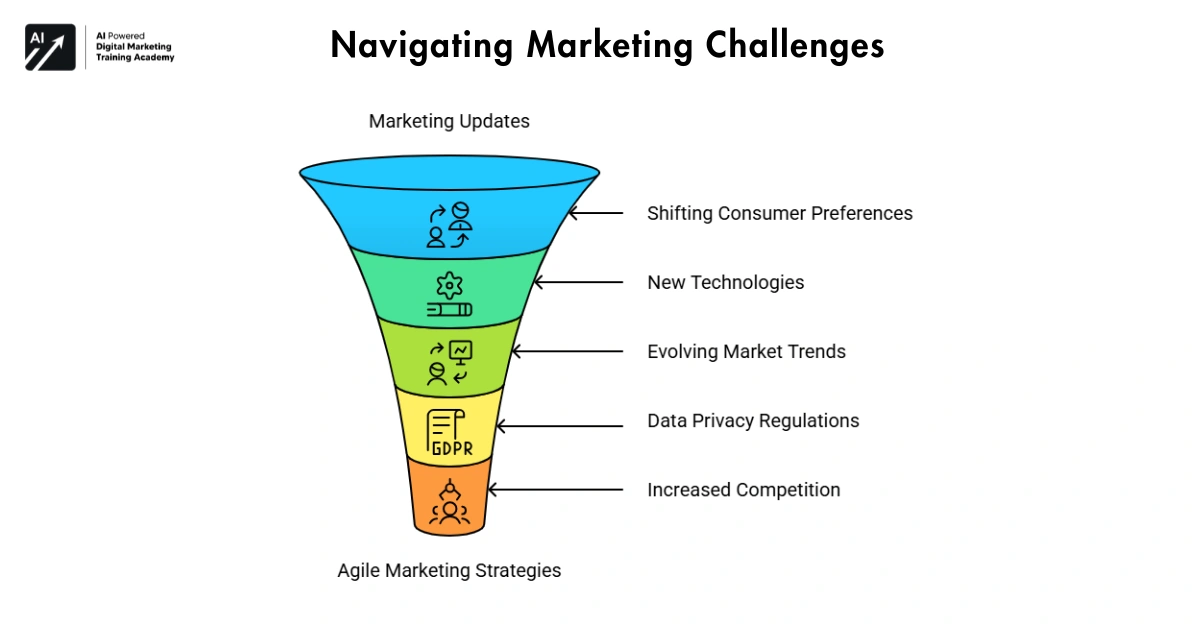 Every update comes with its own challenges.
Reduced Manual Control
Automation can feel limiting for experienced marketers.
Learning Curve
Understanding AI tools takes time and practice.
Privacy Restrictions
Less data means more reliance on AI predictions.
Attribution Complexity
Tracking the exact customer journey is becoming harder.
Future of Google Ads
Ahead, advertising will become even more intelligent and personalized.
Fully Automated Campaigns
Campaigns may run almost entirely on AI.
Voice & Visual Search
Ads will appear in:
- Voice searches
- Image-based searches
- Hyper-Personalization
Users will see ads tailored specifically to their needs and behavior.
What You Should Do
Keep updated, experimenting, and adapt quickly.
Final Thought
The Google Ads new features may change the way digital marketing works.
AI, automation, and privacy are now at the center of everything.
For marketers, this is not something to fear, it’s an opportunity.
Those who adapt will:
- Achieve better results
- Save time
- Scale faster
The future belongs to marketers who combine technology with creativity and strategy.