

Just a few years back Indian food startups and the Indian food industry was unrecognizable. Whatever food companies we knew of were well-established firms that were around for at least the last 50-60 years. New entrants faced stiff competition from these incumbents given the high investments needed in distribution, manufacturing and marketing.
Now, the table has turned and a whole new set of entrepreneurs has established food brands in an entirely different way. Instead of relying solely on traditional trade, they leverage D2C channels, strong branding, and digital marketing to find their market. They’re identified with everyday Indian staples like milk, snacks, spices, sweets and are turning them into modern age businesses. Several of these brands are already clocking crores worth of sales.
Examples include:
- Traditional snack brands with modern packaging
- Farm-fresh dairy delivery startups
- Premium spice brands
- Ready-to-eat meal companies
New food brands such as GO DESi, PotFul, Zoff Foods, Sid’s Farm, Sweet Karam Coffee and Doodhvale Farms are showing that the Indian food industry has entered a new startup cycle. A must-read for startup entrepreneurs and business students.
These startups can teach some lessons in branding, product quality and consumer understanding. Read on to learn about some of India’s fastest growing food startups and their founders:
Why India’s Food Startup Industry Is Growing Fast
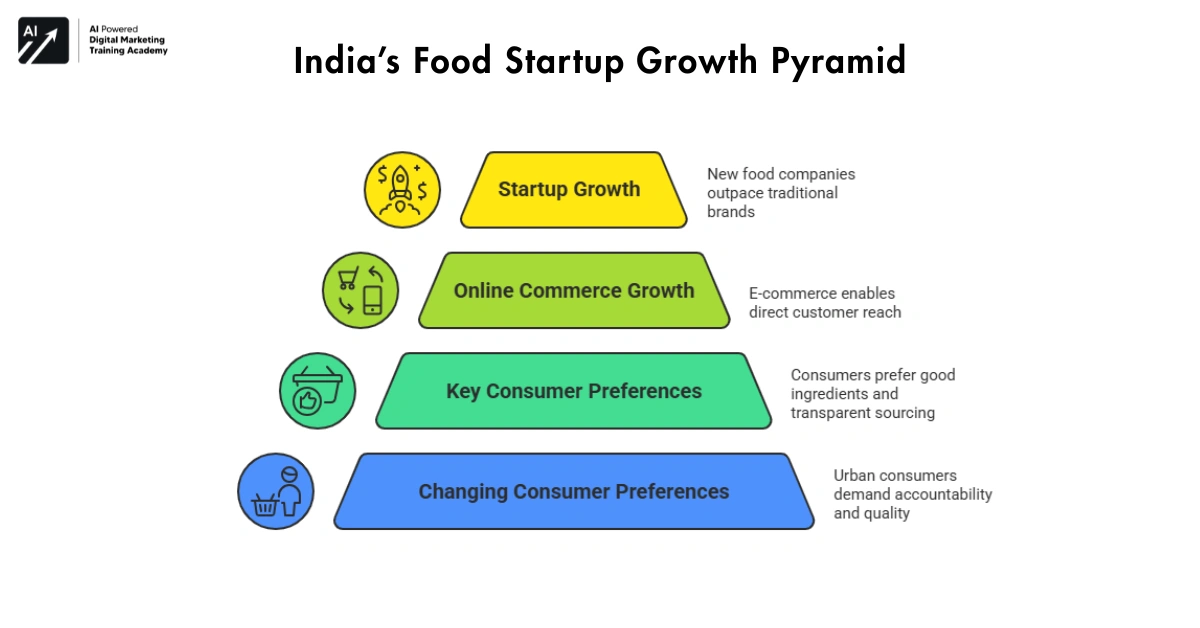
India has one of the biggest food markets in the world. Food is not just a matter of nutritious sustenance but a major part of culture and tradition. But the shopping patterns are also changing. Urban consumers now look for greater accountability and quality from Food brands and look closely at source and production.




Most of the consumers now prefer things such as:
- Good ingredients
- Transparent sourcing
- Clean packaging
- Convenient delivery
- Authentic regional foods
At the same time, online commerce has made it easier for new brands to reach customers directly. Instead of spending years building physical distribution networks,
Startups can sell products through:
- Their own websites
- E-commerce platforms
- Subscription delivery services
Because of this shift, many new food companies are growing faster than traditional brands.
The Rise of D2C Food Brands in India
A major factor leading to growth is the D2C concept. The D2C is the system of selling products directly to the customer. This approach offers several advantages.
Businesses can:
- Control product quality
- Build stronger relationships with customers
- Launch new products quickly
- Use digital marketing to grow faster
Many modern food startups combine Old recipes with modern business strategies. The result is a new generation of Indian brands that feel both authentic and modern.
GO DESi : Bringing Traditional Indian Snacks to Modern Consumers
Founder – Vinay Kothari
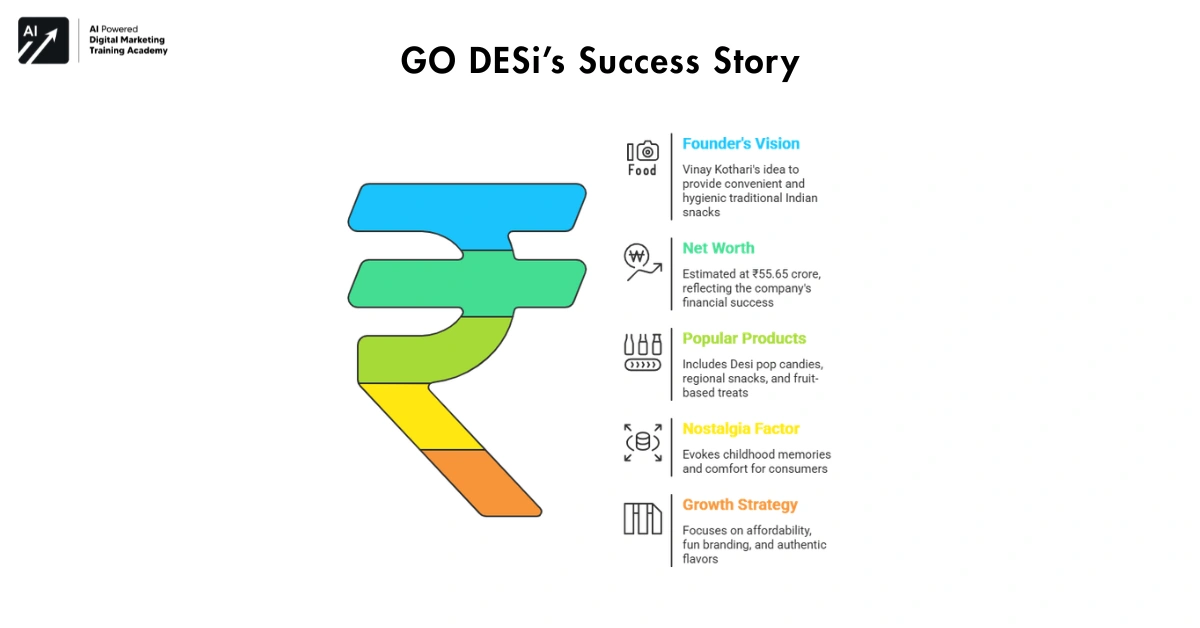
GO DESi was founded with a simple idea.Indian snacks are consumed everywhere in the country, but most of the traditional Indian snack foods are not available at the convenience and hygienic packaging.
Net Worth
The net worth of Vinay Kothari is calculated to be ₹55.65 crore. The brand was visualized to develop some innovative snacking products of Indian taste. He also wanted to set high quality standards.
Some of their popular products include:
- Desi pop candies
- Regional snack items
- Fruit-based treats
The company focuses on nostalgia. Many of its products remind customers of snacks they enjoyed during childhood.
Why the Brand Is Growing
GO DESi’s growth comes from a clear understanding of Indian consumers.
The brand focuses on:
- Affordable pricing
- Fun and colorful branding
- Authentic regional flavors
This allows the company to differentiate itself in a saturated snack Market. Now, GO DESi is emerging as one of India’s most recognizable new snack brands.
PotFul : Modern Ready-to-Eat Indian Meals
Founder – Lokesh Krishnan
PotFul is a food startup. It is a ready to eat concept. It delivers fresh food to the doorstep of the customer. The idea behind PotFul is simple. Many urban professionals want healthy and also home-style meals but do not always have time to cook.
Net Worth
The estimated net worth of Lokesh Krishnan is ₹58.72 crore.
PotFul solves this problem by offering meals that are:
- Freshly cooked
- Balanced in nutrition
- Convenient to order
Why PotFul Is Growing Fast
Urban lifestyles are changing quickly and also people are working longer hours and looking for convenient food options. PotFul benefits from this shift.
Its growth is supported by:
- Subscription meal plans
- Consistent food quality
- Convenient delivery services
As more people look for reliable meal options, companies like PotFul are becoming increasingly important.
Zoff Foods : Building India’s Premium Spice Brand
Founder – Akash Agrawal
Spices are used in every dish in India. But many people wonder whether packaged spices are pure and of good quality.
Net Worth
The estimated net worth of Akash Agrawal is ₹102.70 crore.
Zoff Foods focuses on solving this problem.
The brand produces spices that are:
- Freshly processed
- Hygienically packaged
- Free from artificial additives
The company sells products through both online platforms and retail stores.
Why Zoff Foods Is Growing
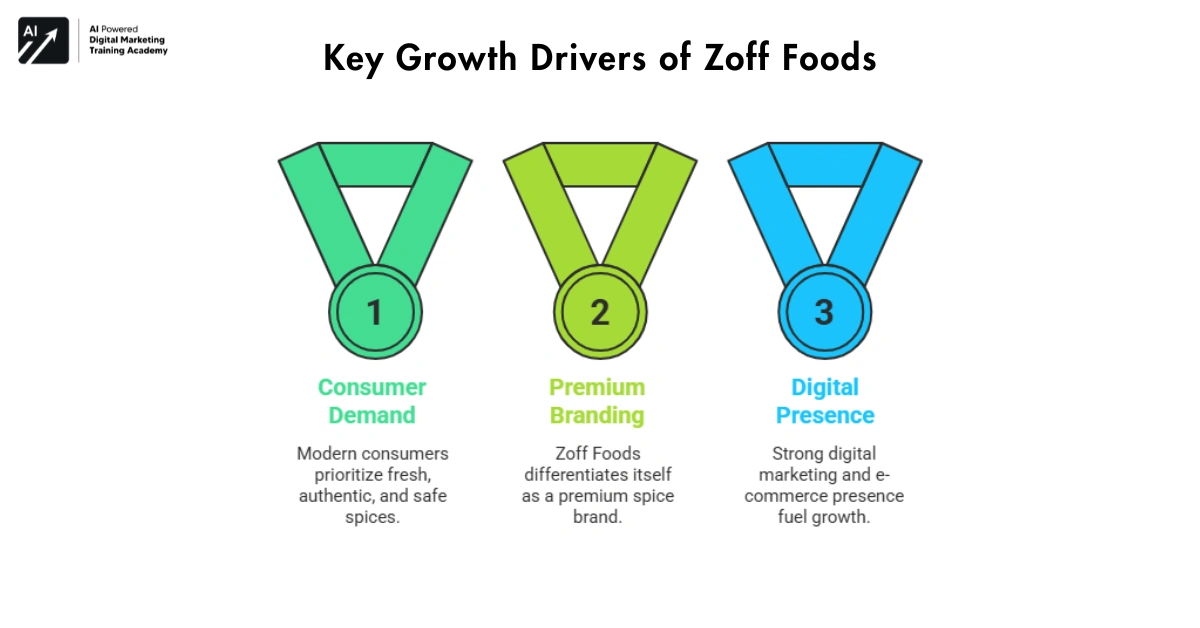
Modern consumers are becoming more conscious about food quality.
They want spices that are:
- Fresh
- Authentic
- Safe for everyday cooking
Zoff Foods, being a premium spice brand, differentiates itself from the rest of the players in the thick and crowded spice market. Strong digital marketing and e-commerce presence have also contributed to the brand’s growth.
Sid’s Far: The Farm Fresh Milk Revolution
Founder – Kishore Indukuri
Sid’s Farm is a dairy startup that specializes in high quality milk.
Net Worth
The estimated net worth of Dr. Kishore Indukuri is ₹167.59 crore. The company follows a farm-to-home model. Rather than an extended supply chain, the milk is sourced from well managed farms and delivered directly to consumers.
This ensures:
- Better freshness
- Higher quality
- Greater transparency
Reasons for Sid’s Farm’s Growth
Consumers are becoming more familiar with the quality of the dairy products they are eating.
Many families prefer milk that is:
- Fresh
- Minimally processed
- Sourced responsibly
Sid’s Farm is trusted due to focus on quality and transparency. Consequently it has built customer loyalty in various cities.
Sweet Karam Coffee Reviving South Indian Snacks
Founder – Nalini Parthiban
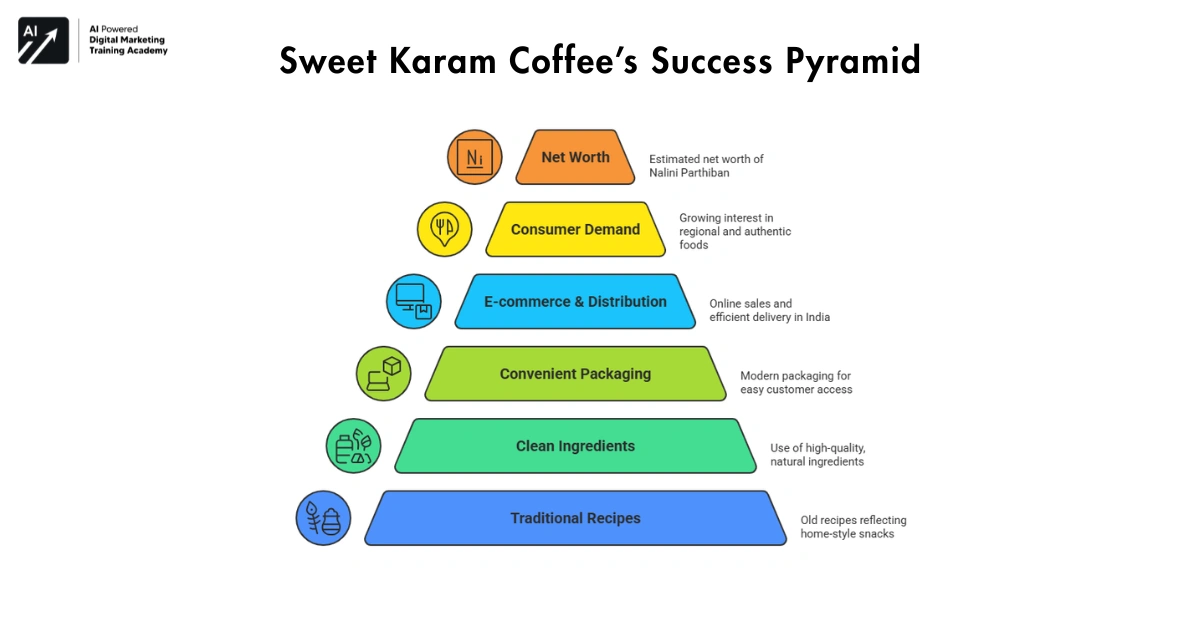
Sweet Karam Coffee is a brand dedicated to South Indian traditional snacks. All the founders are trying to bring the taste of the region closer to everyone. Their snacks are a reflection of what is made at home.
Popular items include:
- Murukku
- Mixture snacks
- Traditional sweets
The brand also uses modern methods of packaging and e-commerce to reach the customer in India.
Why the Brand Is Popular
The consumer of today is more interested than ever before in regional, authentic foods.
Sweet Karam Coffee is positioned to capitalize on this through:
- Old recipes
- Clean ingredients
- Convenient packaging
The company successfully combines nostalgia with modern retail strategies.
Net Worth
The estimated net worth of Nalini Parthiban is ₹45.98 crore. Sweet Karam Coffee has grown quickly by bringing traditional South Indian snacks to modern consumers. The brand combines homemade-style recipes with clean packaging and online distribution.
Doodhvale Farms: Delivering Farm Fresh Dairy
Founder – Aman J Jain
Doodhvale Farms focuses on delivering fresh dairy products directly to homes.
The company offers products such as:
- Fresh cow milk
- Organic dairy products
- Farm-sourced ingredients
Customers can subscribe to regular deliveries, making it convenient for families to receive fresh milk daily.
Why Doodhvale Farms Is Growing
Most of the consumers are concerned about the quality of milk which is available in the market.
Doodhvale Farms addresses these concerns by focusing on:
- Fresh sourcing
- Quality control
- Reliable delivery
Subscription-based delivery also creates a stable customer base.
Net Worth
The estimated net worth of Aman J Jain is ₹40.13 crore. Doodhvale Farms delivers fresh farm milk, free range eggs, artisan dairy products and organic meat direct from farms to consumers. It already has developed a dependable and expanding recurring customer base through establishing a subscription model.
What These Startups Have in Common
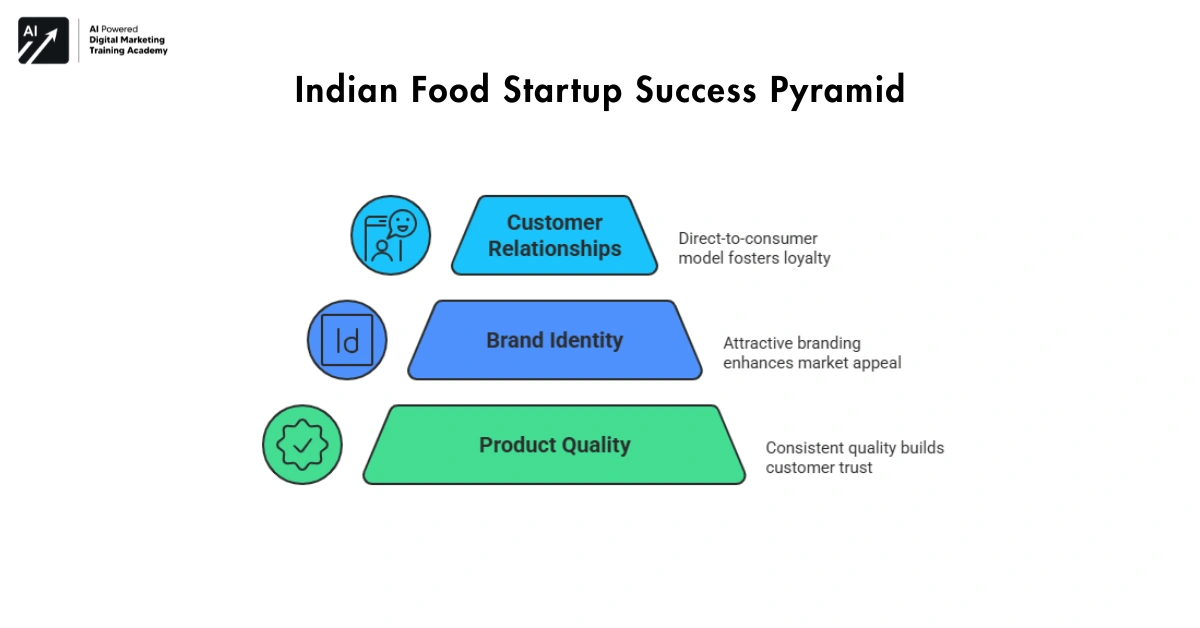
Despite their differences, these companies are quite similar in some aspects. Indian food startups can be characterized around three focuses.
Strong Product Quality
Food businesses depend heavily on trust. Customers continue buying products only if the quality remains consistent.
Clear Brand Identity
Modern startups invest heavily in branding.
This includes:
- Attractive packaging
- Clear messaging
- Strong online presence
Direct Customer Relationships
Many of the above brands also utilize a direct-to-consumer model, which enables these companies to have a closer relationship with the customer and to have the ability to continually evolve their product offering.
Why Investors Are Interested in Food Startups
Indian food startups are fast becoming the most scrutinized investments. The scope of food in India is enormous and the demand for quality food products increases by the day.
Investors often look for businesses that have:
- Strong product differentiation
- Loyal customer base
- Scalable distribution models
Many modern food startups meet these conditions.
The Future of India’s F&B Startup Ecosystem
Indian food startups ecosystem is still evolving. Many founders are experimenting with ideas such as:
- Foods for good health
- Regional specialty products
- Organic ingredients
- Subscription-based delivery models
Technology will be crucial as well in the future, with data analytics, automation of supply chains and digital marketing helping startups to grow quickly. Opportunities abound for business students and enterprising people with a passion to succeed.
Final Thoughts
India’s food industry is entering a new phase. Old recipes and ingredients are being combined with modern branding and technology.
Startups like GO DESi, PotFul, Zoff Foods, Sid’s Farm, Sweet Karam Coffee, and Doodhvale Farms show how everyday food products can become successful businesses. All these businesses started with a very simple idea. They then went on to take over markets by following a slow but sure process of strengthening their brands through relentless pursuit of quality, trust and innovation.
For Indian food startups and business students this is a lesson worth learning. Innovative, successful businesses are not always based on complicated ideas. Some of the greatest opportunities can lie in things we use everyday. And in India, food will always be one of those things.