
Starting a business with startup zero tax India in mind is exciting and full of dreams. Every founder thinks about their startup growing, hiring good people, and making something people will remember. But one part of the journey almost everyone fears is taxes. Profit is great, but paying huge taxes in the first few years can kill your cash flow.
Here’s where India’s biggest gift to startups comes in. Thanks to Section 80-IAC, startups can enjoy three years of zero income tax. And the best part? You can pick any three years within your first ten years of operation to use this benefit. That means you can save the most money in the years your startup earns the most.
Imagine this: Your startup finally becomes profitable. You have money to hire more people and more chances to buy better tools, or scale operations to new cities. And instead of paying lakhs or crores in tax, the government gives you a tax holiday. This is not just a financial boost-it is an opportunity to grow faster and smarter than ever.
Why This Tax Holiday is a Game-Changer
The Indian government made this policy to support new businesses, ideas, and taking risks. Startup zero tax India helps founders deal with problems every day like uncertain money, small budgets, and lots of competition. A tax free period focuses on growing their business without worrying about paying heavy taxes.
Let’s take for example, if a startup makes ₹1 crore profit and pays 30% tax, that is ₹30 lakhs gone. But under Section 80-IAC, those 30 lakhs can stay in the business. You can use it to:
- Hire new team members.
- Invest in better technology or software.
- Expand marketing to reach more customers.
- Just explore the international markets without wasting cash.
Even a small savings in the early stage of years can make the difference between surviving and thriving. This policy turns a regular startup into a strong, well-funded startup without relying only on investors.




The Vision Behind India’s Tax Holiday
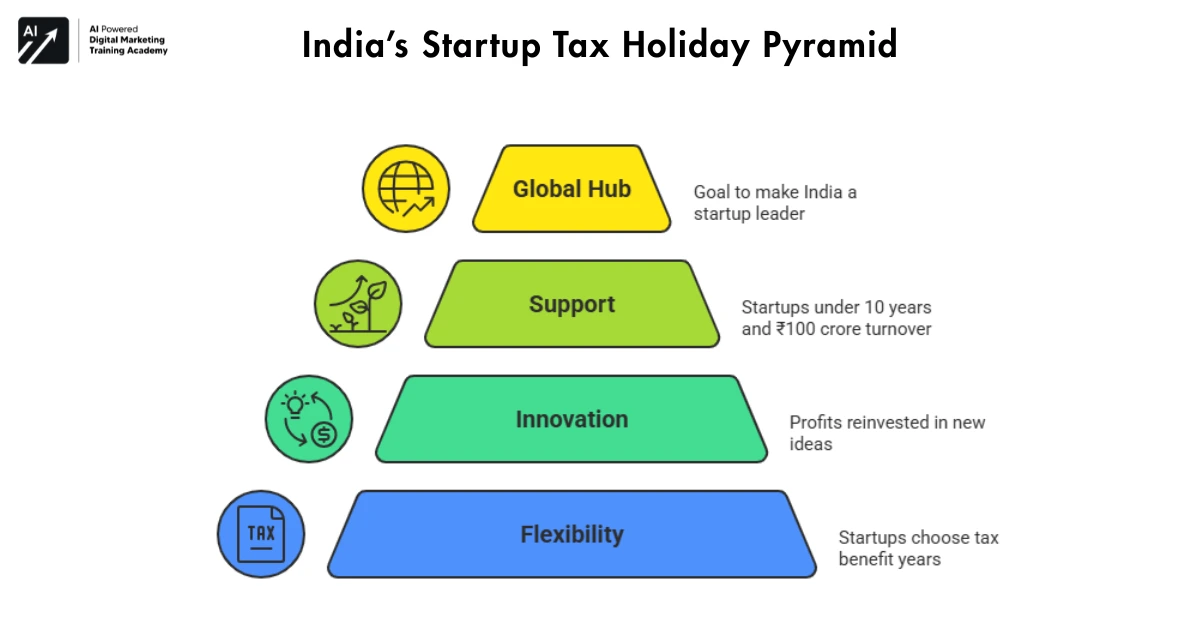
The government’s goal is simple: make India a global startup hub. Other countries offer incentives, but India’s approach is unique because:
- Flexibility : Startups choose which years to claim tax benefits.
- Encouragement for innovation : Profits can be reinvested in new ideas.
- Support for young companies : Startups under ten years of age and under ₹100 crore turnover can benefit.
The main idea is to help startups which focus on building their value, making products, and hiring good people, without worrying about paying taxes right away. By saving money on taxes, founders can invest in research, development, and innovation, which eventually helps India produce more successful startups, unicorns, and global businesses.
What is Section 80-IAC and How Startup Zero Tax India Works
When you hear “tax law,” most founders feel a shiver.
But Section 80-IAC is one law every Indian startup should know about. It is simple, flexible, and powerful, designed to help startups save crores in taxes and focus on growth. This section will explain exactly what Section 80-IAC is, who it applies to, and how it works in real life.
The Law Behind Zero Tax for Startups
Section 80-IAC is a part of India’s Income Tax Act. Its main goal is to give young startups a tax holiday of three years. And here’s the most exciting part:
- You can choose any three years within the first ten years of your startup.
- You do not have to claim them consecutively.
- You can use this time strategically in the years your profits are highest.
Imagine your startup makes less profit or no profit in the first two years, then suddenly your earnings start to be big in year 4 and 5. Startup zero tax India under Section 80-IAC allows you to save maximum tax by applying it in your high-profit years.
How It Actually Works
Let’s break this it into simple numbers:
- For Suppose First Year Profit is ₹50 lakh → Tax = ₹15 lakh
- Second Year Profit is ₹80 lakh → Tax = ₹24 lakh
- Year 3 Profit: ₹2 crore → Tax = ₹60 lakh
Without Section 80-IAC, you pay these taxes every year. But with Section 80-IAC:
- You can select Year 3 as your first tax-free year → Save ₹60 lakh.
- Use Year 2 as your second tax-free year → Save ₹24 lakh.
- Pick Year 4 if profits continue to grow → Save even more.
This flexibility is rare in tax laws worldwide. Most countries give fixed benefits, but India lets startups choose the timing of the benefit. That’s why many investors and founders call it a jackpot opportunity.
Who Can Benefit from Section 80-IAC
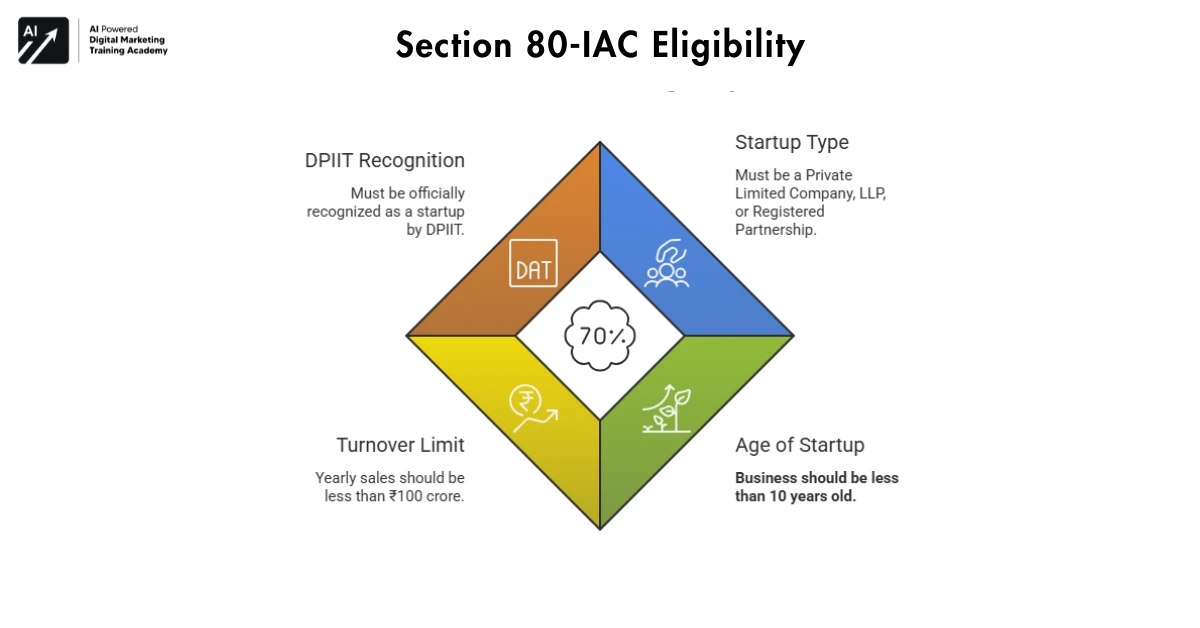
Not every company qualifies. Here is the eligibility requirements in simple words:
Eligibility Criteria
- Startup Type:
Must be a Private Limited Company, Limited Liability Partnership (LLP), or Registered Partnership.
- Age of Startup:
The business should be less than 10 years old from the day it is started.
- Turnover Limit:
This business should have yearly sales of less than ₹100 crore.
- DPIIT Recognition:
Business must be officially recognized as a startup by DPIIT. Without meeting these criteria, your startup cannot claim the tax holiday.
Why Section 80-IAC is a Strategic Advantage
Section 80-IAC is not just about saving tax it’s about growth strategy.
Here’s why:
Reinvest Savings: Tax money that would go to the government stays in your company. You can use it to hire people for marketing, or work on research and development.
It encourages taking risks: When founders know they don’t have to pay tax on profits, they just feel confident to try for bigger and better ideas.
Investor Confidence: like investors love to start startups that optimize costs legally, which increases valuation potential.
Think of it as a safety process. Many startups fail not just because the idea is bad, but because they run out of money. Section 80-IAC reduces that risk by keeping more money inside the business.
DPIIT Recognition -The Key to Unlock the Benefit
DPIIT recognition is a government stamp that says your startup is official and innovative. Without it, Section 80-IAC benefits cannot be claimed.
Steps to Get Recognized:
- Register on NSWS Portal (National Startup Web Services).
- Submit documents proving your startup is under 10 years old, has less than ₹100 crore turnover, and is innovative.
- Receive DPIIT Certificate.
Once you have this certificate, your startup can legally apply to claim three years of zero tax.
Key Tips for Using Section 80-IAC for Startup Zero Tax India
- Pick your highest profit years for the tax holiday.
- Keep clear and correct account records to avoid problems during audits.
- Once you receive DPIIT approval, you can apply for the CBDT tax exemption certificate.
- By just following these tips you will get maximum benefits and avoid mistakes that could delay your tax savings.
Who Can Apply for India’s Startup Tax Holiday
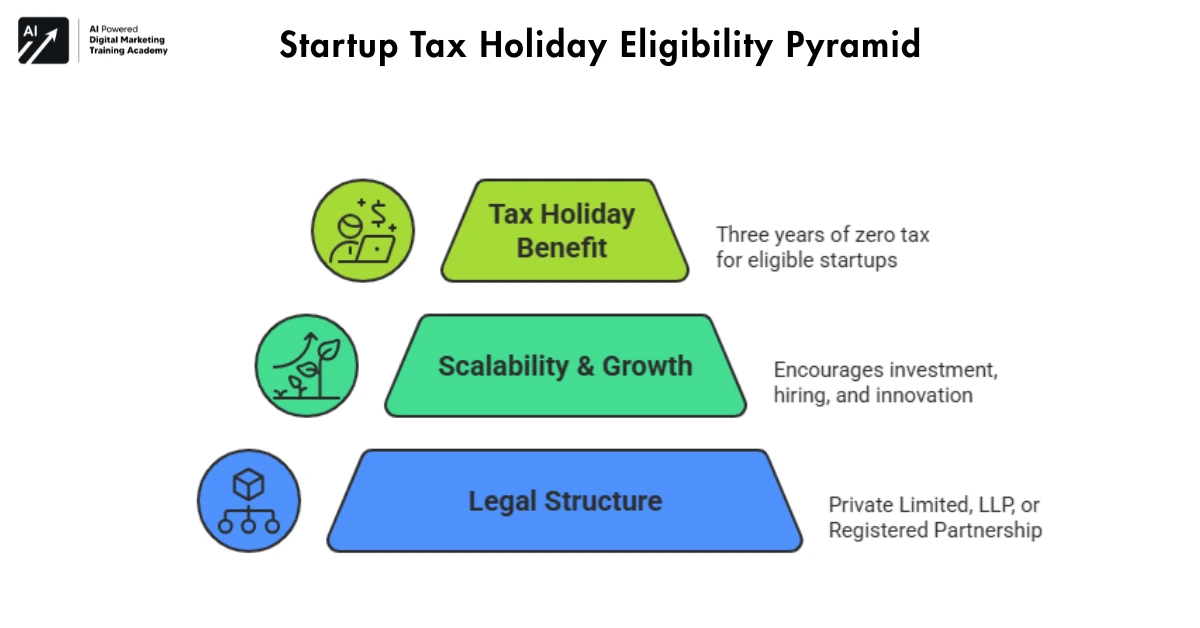
Not every business in India gets three years of zero tax. The government has set clear rules so only real startups can get this benefit. If your startup uses these rules, then you can save a lot on taxes and use that money to grow faster.
This section explains the eligibility followed by the types of startups, and DPIIT recognition, making it simple for founders to understand if they qualify.
Startup Type – Who Qualifies
The first requirement is the legal structure of the business. Section 80-IAC is available only for:
- Private Limited Companies
- Limited Liability Partnerships (LLPs)
- Registered Partnerships
Other types of companies, such as sole proprietorships or public limited companies, cannot claim this tax benefit. The reason behind this restriction is that the law is designed to encourage scalable, growth-oriented companies that can raise investment, hire employees, and innovate-structures like Pvt Ltd and LLPs are better suited for this.
Age of the Startup – Less Than 10 Years
The tax holiday is available only for startups within their first 10 years of operation. For example, if your company was started in January 2018, then you can claim Section 80-IAC along with their benefits at any time before January 2028.
After 10 years, startups are no longer eligible, even if they meet all other conditions. This rule ensures that young, high-growth companies benefit from early-stage tax relief when cash flow is often tight.
Turnover Limit – Under ₹100 Crore
To qualify, a startup’s annual turnover should not exceed ₹100 crore (approximately ₹100 Cr). Turnover includes total revenue from all sources, not profits. Startups crossing this threshold are considered well-established businesses and do not qualify for Section 80-IAC.
This criterion ensures that the tax holiday benefits early-stage companies and prevents large, profitable companies from taking advantage.
DPIIT Recognition – Your Government Stamp of Approval
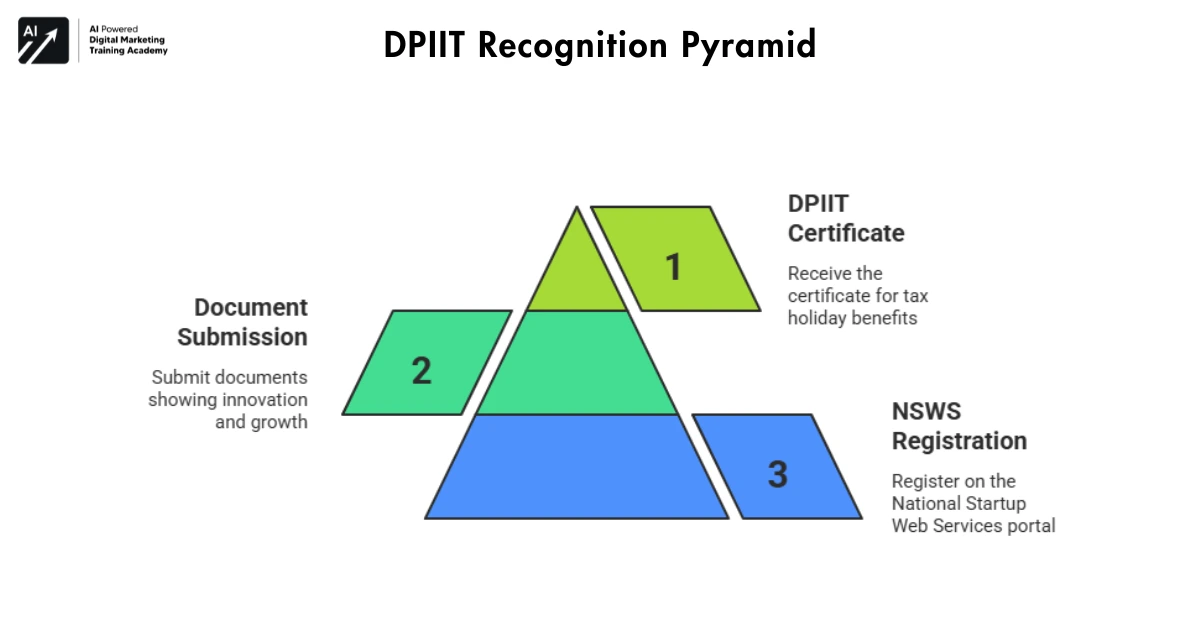
The most important eligibility factor is DPIIT recognition. Without this, your startup cannot claim the tax holiday, no matter how profitable or innovative it is.
What is DPIIT Recognition?
Here DPIIT stands for Department for Promotion of Industry and Internal Trade. A DPIIT-recognized startup is considered as below:
- Officially registered as an innovative business
- Eligible for various government incentives, including Section 80-IAC tax holiday
- Credible in the eyes of investors, banks, and partners
It is essentially a proof of authenticity that your startup is genuine and deserves special government support.
Steps to Get DPIIT Recognition
Register on the NSWS Portal – National Startup Web Services.
Submit documents showing:
- Less than 10 years of operation
- Turnover under ₹100 crore
- Innovation in products or services
Receive DPIIT Certificate – this is your key to unlocking Section 80-IAC benefits.
Tip: Keep all documents accurate and updated. Incorrect submissions can delay approval and tax exemption.
Common Mistakes Founders Make While Claiming Startup Zero Tax India
Even if you meet all eligibility criteria, mistakes in the application process can prevent you from claiming tax benefits.
- Applying without DPIIT recognition, you cannot claim Section 80-IAC without a certificate.
- Choosing the wrong years , it’s best to claim tax-free years when profits are highest.
- Missing turnover calculations – ensure your turnover is accurately calculated to remain eligible.
- If your documents are incomplete, the CBDT may reject your tax exemption certificate.
Following the rules carefully ensures you maximize the tax benefit and avoid legal complications.
Why Eligibility Rules Matter
These rules are not meant to be strict; they are there to make sure only real startups get the benefits. They prevent large corporations from taking unfair advantage and also encourage innovation-focused, growth-oriented young companies. These things make sure that the tax gives benefit which goes to the startups that need it the most.
Just think of it as a level playing field for Indian entrepreneurs which is where the most promising startups get the support they need to grow.
How to Claim the Startup Tax Holiday in India
Saving crores in taxes sounds amazing, but it’s only possible if you follow the process correctly. Section 80-IAC gives startups“Startup Zero Tax India” refers to the income tax deduction available under Section 80-IAC. Eligible startups can claim 100% deduction on profits for three selected years, subject to government approval and compliance. This does not mean exemption from all taxes such as GST, TDS, or Minimum Alternate Tax (MAT), where applicable.
Step 1 : Get DPIIT Recognition
Before you do anything else, your startup must be recognized by the Department for Promotion of Industry and Internal Trade (DPIIT). Without this certificate, you cannot claim the tax holiday.
Register on the NSWS Portal (National Startup Web Services).
Submit documents proving:
- The business must be under 10 years old.
- Annual turnover under ₹100 crore
- Innovative business idea or product
Receive DPIIT Certificate, this is proof your startup qualifies.
Tip: Keep all documents accurate. Any wrong details can delay approval and affect your ability to claim zero tax.
Step 2 : Apply to CBDT for Tax Exemption Certificate
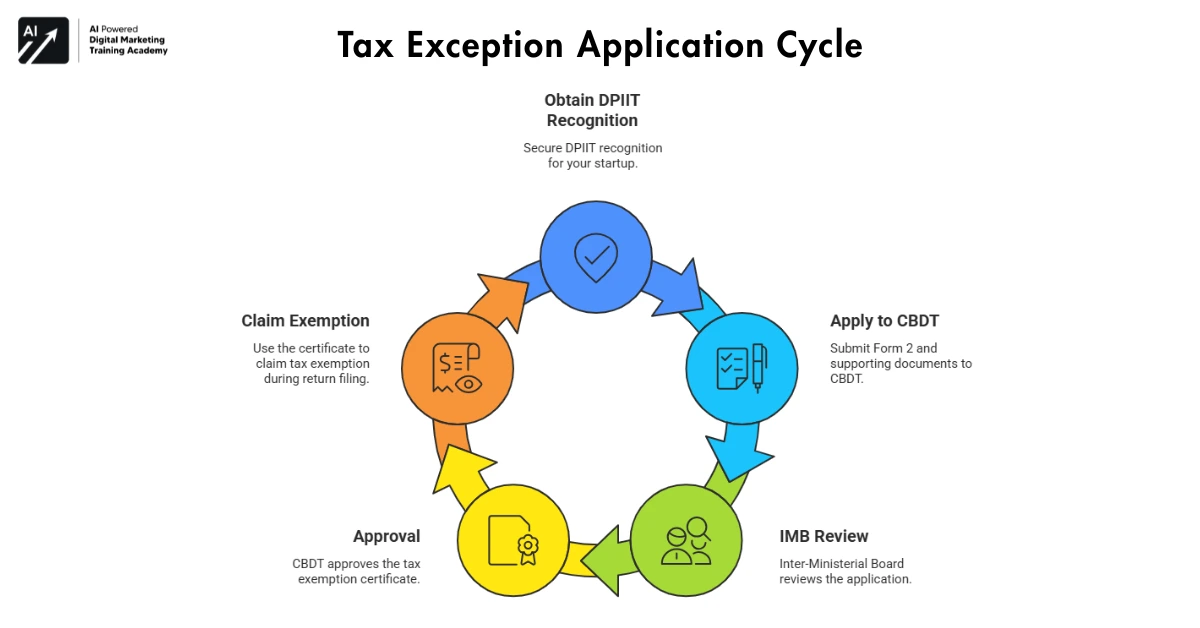
Once you have DPIIT recognition, you must apply for Section 80-IAC tax exemption through the Startup India portal, where the application is reviewed by the Inter-Ministerial Board (IMB). After approval, this exemption is recognized by the Income Tax Department during return filing
Why This Certificate is Important
Even if your startup is DPIIT-recognized, you must get this certificate to claim Section 80-IAC benefits. Without it:
- The income tax department will not recognize your zero-tax claim
- You could face penalties if you try to apply the benefit without approval
- Think of it as a final approval stamp from the tax authorities.
How to Apply to CBDT
Submit Form 2 along with:
- DPIIT recognition certificate
- Latest financial statements
- Board resolution approving the application
- Choose the 3 years in which you want to claim zero tax.
- Wait for approval, the CBDT usually takes a few weeks to review.
Pro Tip: Pick your most profitable years to maximize the tax benefit. Most founders save the largest chunk by claiming in the years their profits are highest.
Step 3 : Maintain Accurate Books of Accounts
Even after getting the exemption certificate, you must maintain proper financial records. Keep separate records for the years you don’t pay tax. Record your income, expenses, and profits clearly. Make sure your audit reports are complete, if needed. Accurate accounting ensures smooth approval during tax filing and avoids legal complications later.
Step 4 :File Income Tax Returns Correctly
Once your CBDT certificate is approved, you must file income tax returns correctly for the chosen years. Include your tax exemption certificate reference in your returns. Apply zero tax only to eligible profits. Retain all supporting documents for 8 years, as the tax department may audit.
Note: Filing mistakes are common and can delay or reduce your tax benefit. Consider consulting a chartered accountant experienced with startups.
Step 5: Common Mistakes to Avoid
Even small mistakes can cost startups their tax benefit. Avoid these errors:
- Applying without DPIIT recognition
- Choosing low-profit years for zero tax (wasting the benefit)
- Missing documents or approvals from CBDT
- Mixing personal and company accounts
- Not keeping proper books of accounts
By just avoiding these mistakes, you can increase your tax savings and keep the process smooth.
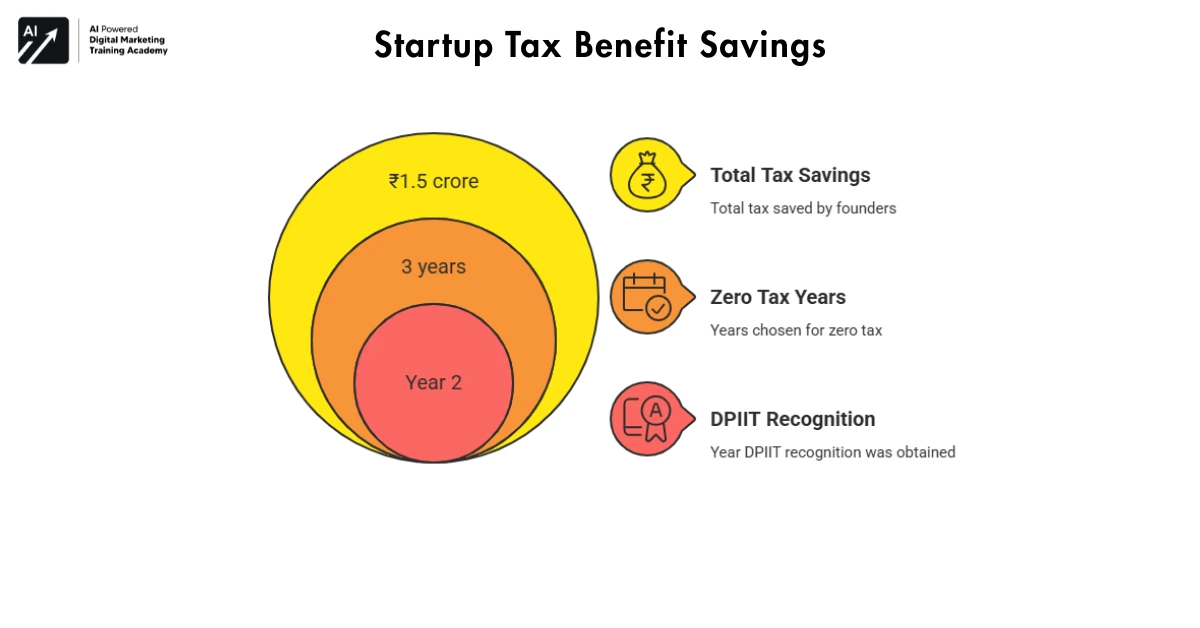
The founders:
- Got DPIIT recognition in Year 2
- Applied to CBDT and picked Years 2, 3, and 4 as zero-tax years
- Filed returns accurately with exemption certificate
Result: They saved around ₹1.5 crore in taxes. They used this money to hire people and for marketing, which helps to improve their products, helping them grow faster than others.
Conclusion – India’s Startup Tax Holiday: A Big Boost for Startups
Starting a business is exciting, but paying taxes in the first years can be scary. That is why Section 80-IAC is a big help for startups. It gives you three years without paying income tax, and you can pick the years when your profits are highest. This means you can save lots of money and you can use it to grow your business.
All you need to do is: register your startup, get DPIIT recognition, apply for the CBDT certificate, and plan which three years to use. If you do this, your startup can use its profits to grow faster and become stronger.
This tax holiday is not just about saving money. It is a chance for your startup to grow big, create new ideas, and maybe become one of India’s next big success stories.