

Life moves forward because of skills. Talent can help; however, skills guide your daily choices. They decide how you use time, how you talk to people, how you stay calm, and how you choose when things feel confusing. Many people feel stuck even after working hard. This does not happen because they are lazy. Instead, the problem comes from not learning the right skills at the right moment.
Books help us learn important skills. They teach lessons from people who failed, learned, and grew. When you read with purpose, books teach more than information. In fact, they change how you think and act. This guide shares 50 books to master life skills that shape your life. Each skill explains why it matters and how it helps in real life. You do not need to hurry. Just start with one book.
Why Books Are Still the Best Way to Learn Life Skills
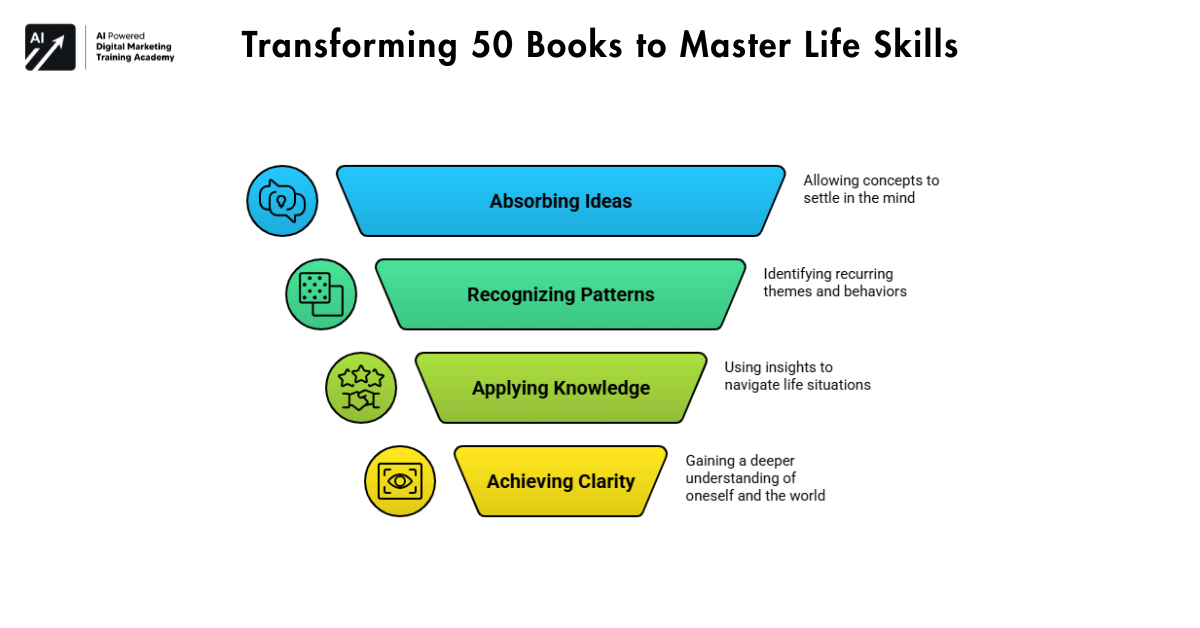 These days, information often comes as quick videos and tips. They are fun, but they fade fast. Books work slowly, and that is their power. They give ideas time to grow in your mind. They explain stories, mistakes, and lessons clearly. As a result, you learn the thinking behind actions, not just the actions. These 50 books help you to master life skills.
What Reading Builds Skills, Not Just Facts
Knowing something doesn’t mean you can use it. Skills help you act in difficult moments.
When you read often, you start to notice patterns like:
- Why habits break
- Why people repeat the same mistakes
- Why feelings sometimes control decisions
After a while, these patterns feel familiar. So, when the same problems come into your life, you pause and think before acting.
Why Reading with a Goal Works Better
Reading random books can feel good, but it can also feel confusing. Reading with a goal, however, helps you focus.
When you read with purpose:




- Ideas connect better
- Lessons feel useful
- Learning feels clear
Each page helps you grow in one direction.
What Changes When You Read With Intention
Over time, reading with care changes you:
- You stay calmer
- You think before reacting
- You feel less confused
- You trust your choices more
Books do not shout. Instead, they quietly help you grow.
Productivity – Learn How to Do What Matters Most
What counts isn’t just putting in extra hours. Staying on track involves prioritizing true importance. Some folks spend hours at work yet feel drained and stuck inside. This happens when they do too much without focus. True productivity helps you choose what matters and ignore the rest.
Learning Focus in a World Full of Noise
Phones and screens pull our attention all day. Because of this, focus has become hard.
Books about productivity teach you how to:
- Turn off distractions
- Stay with one thing until it’s done
- Build focus slowly
Focus is a skill. Therefore, anyone can learn it.
Habits and Daily Practice
Some days feel heavy, yet small choices keep moving things ahead. On tough mornings, routine still shows up quiet, steady, doing its work.
- Habits save energy
- Small steps add up
- Daily effort beats big bursts
As a result, good habits help life feel easier.
Using Time and Energy Well
Productivity gets better when you remove unnecessary work.
- Fewer tasks bring better results
- Rest helps your mind
- Saying no protects your time
Productivity is not about speed. Instead, it is about control.
Communication – Speak So People Understand You
Communication helps people know who you are. Good ideas lose value if they are not shared well. Many smart people stay quiet because they feel unsure. Learning to speak clearly, therefore, changes that.
How Communication Helps in Life
Good communication helps you:
- Share ideas clearly
- Solve problems calmly
- Build trust with others
People listen when they understand you.
Persuasion Without Force
True persuasion is gentle.
- You listen first
- You ask questions
- You explain simply
As a result, respect creates a sense of safety.
Better Conversations, Better Results
Good speakers know how to:
- Stay calm during hard talks
- Set boundaries kindly
- Speak honestly without hurting others
Strong communication builds understanding, not competition.
Personal Finance – Learn About Money Before Chasing It
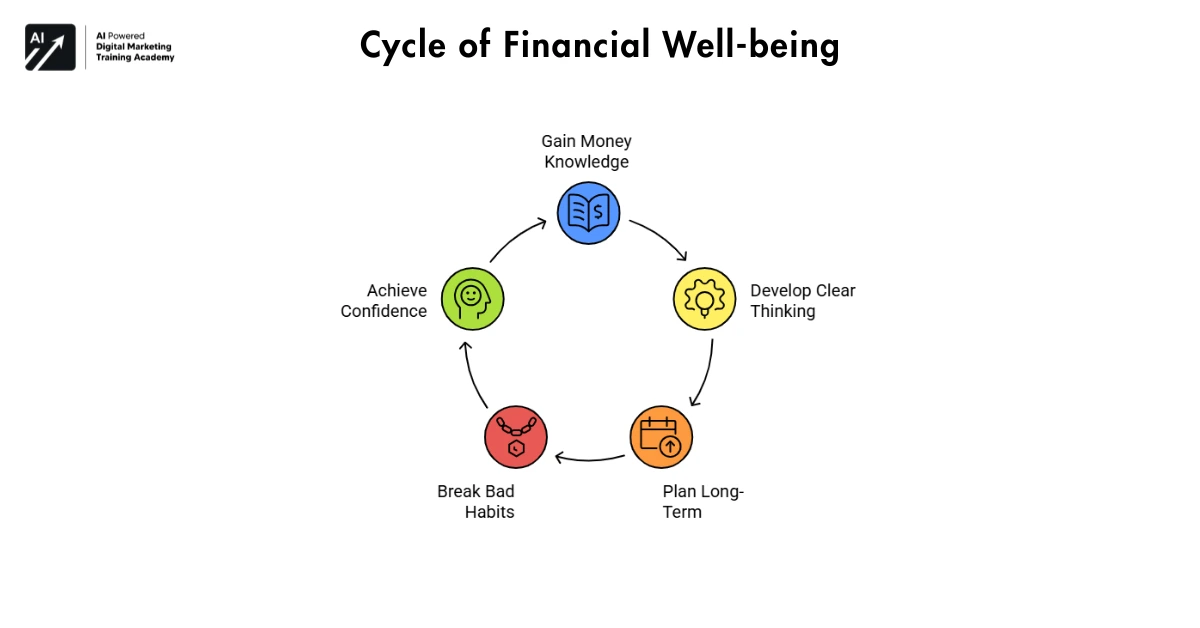 Money problems often come from poor choices, not low income. Feelings like fear or jealousy can lead to bad money habits. Money knowledge gives you confidence and control.
Why Money Thinking Is Important
Without clear money thinking:
- More money brings more stress
- Spending becomes a habit
- Saving feels hard
With understanding, however, money feels calmer and safer.
Thinking Long Term About Money
Money grows slowly.
- Quick wins can cause big losses
- Patience keeps you safe
- Planning brings peace
Good money choices protect your future.
Breaking Bad Money Habits
Many people struggle with:
- Fear spending
- Comparing with others
- Avoiding money decisions
When you understand money, it stops worrying you. Instead, it becomes a tool that helps you live better.
Human Behavior – Understand People, Power, and Choices
Many people think humans act only with logic. Real life shows something different. Many actions come from feelings, fear, habits, and what others expect. When you understand this, people become easier to understand. Situations also feel less confusing.
You stop asking, why are they like this?
Instead, you start thinking, this makes sense.
Because of this, you feel calmer. You get less angry. You become more patient.
Why People Act the Way They Do
Most human actions come from simple needs:
- The need to feel liked
- Fear of being rejected or losing something
- The wish to feel important or in control
When people feel unsafe in these areas, they react fast and emotionally. They may shout, lie, avoid, or control others. When you understand this, you stop taking their behavior personally. As a result, you respond with calmness instead of conflict.
Power, Influence, and Group Behavior
Power is not always loud. Many times, it works quietly.
It shows up through:
- Job titles and roles
- Control over information
- Social position in a group
Once you notice this, office drama and group problems make more sense. You stop feeling shocked by unfair behavior. More importantly, you learn how to stay safe without becoming rude or angry.
Hidden Feelings and Biases Behind Actions
We all have things we don’t notice. Even smart people make poor choices.
This happens because:
- Feelings often beat logic
- First impressions can be wrong
- Confidence is sometimes mistaken for skill
When you see these patterns, you make better choices. You also avoid common traps. Understanding human behavior helps you stay steady in a complex world.
Business – Learn How Real Value Is Created
Business is not just about money or companies. Instead, it works best when it helps people and fixes real problems. These skills help in jobs, leadership, and personal goals too. Many people fall in love with ideas. But ideas alone do not create results.
Turning Ideas into Action
Ideas are easy to have. Action is harder.
- Action creates results
- Practice builds progress
- Feedback helps you improve
Business thinking teaches you to start before everything feels perfect.
Building Something That Lasts
Long-term success comes from steady effort. It comes from:
- Clear values
- Strong habits and systems
- The ability to change when needed
Many plans fail because the base is weak. This is true in business and in life.
Thinking Like the Real World
Business lessons teach you to:
- Take responsibility for results
- Learn quickly from mistakes
- Think about the future, not just present
Slowly, this improves confidence and decision-making.
Discipline – What Matters, Even When It Is Hard
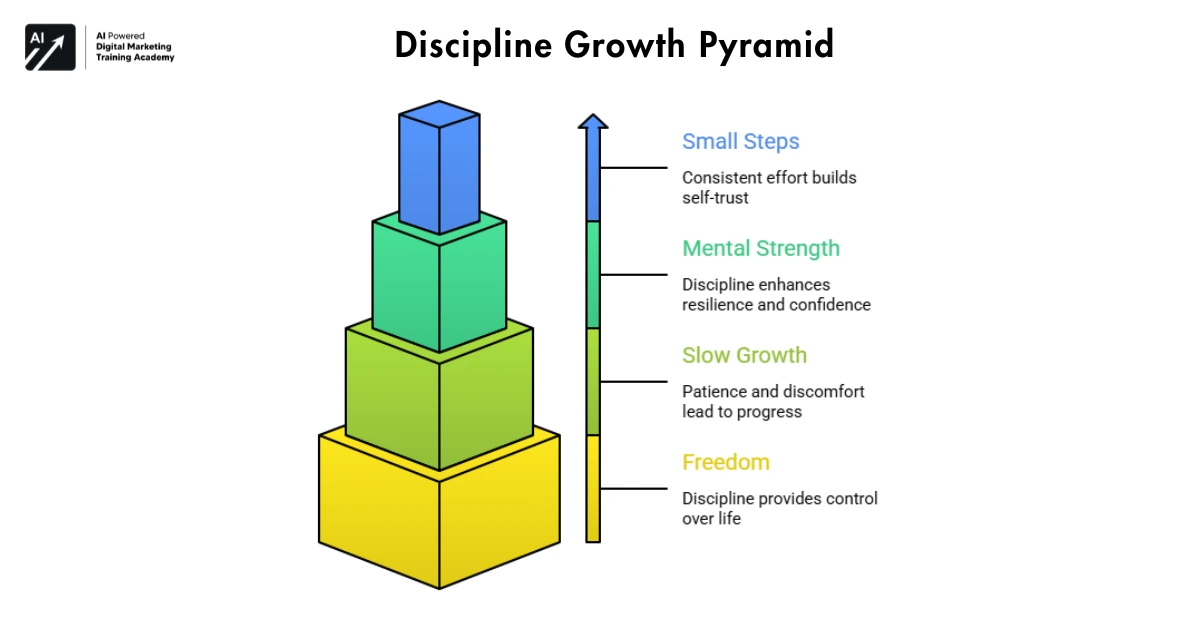 Discipline isn’t about being harsh. Instead, it means treating yourself with respect. It means keeping promises you make to yourself, especially on hard days. Motivation fades and returns. Discipline stays.
Choosing Discipline Over Feelings
When mood changes, motivation changes too. Discipline depends on choice.
- Small steps matter
- Showing up builds trust in yourself
- Daily effort creates progress
When discipline leads, growth continues even when you feel tired.
Building Mental Strength
Discipline makes your mind stronger.
- You handle hard moments better
- You stop waiting to feel ready
- You stay calm during stress
Slowly, discipline builds quiet confidence.
Growth Takes Time
Real growth is slow.
- Progress feels invisible at first
- Discomfort means learning
- Patience builds strength
Discipline does not limit freedom. It gives you control over your life.
Relationships – Build Trust and Emotional Strength
Relationships affect happiness more than money or success. Good relationships need effort, care, and emotional understanding. Strong relationships, therefore, are built, not lucky.
Understanding Feelings and Needs
Every person needs:
- Safety to speak honestly
- Respect to feel valued
- Consistency to build trust
When these needs are missing, problems begin.
Conflict, Boundaries, and Respect
Conflict is normal. Avoiding it causes damage.
Healthy relationships have:
- Clear boundaries
- Honest talks
- Shared responsibility
Boundaries protect relationships. They do not break them.
Skills for Long-Term Relationships
Strong relationships grow through daily choices:
- Listening without getting defensive
- Speaking needs clearly
- Taking responsibility for your feelings
Emotional understanding turns stress into support in relationships.
Critical Thinking – Learn How to Think
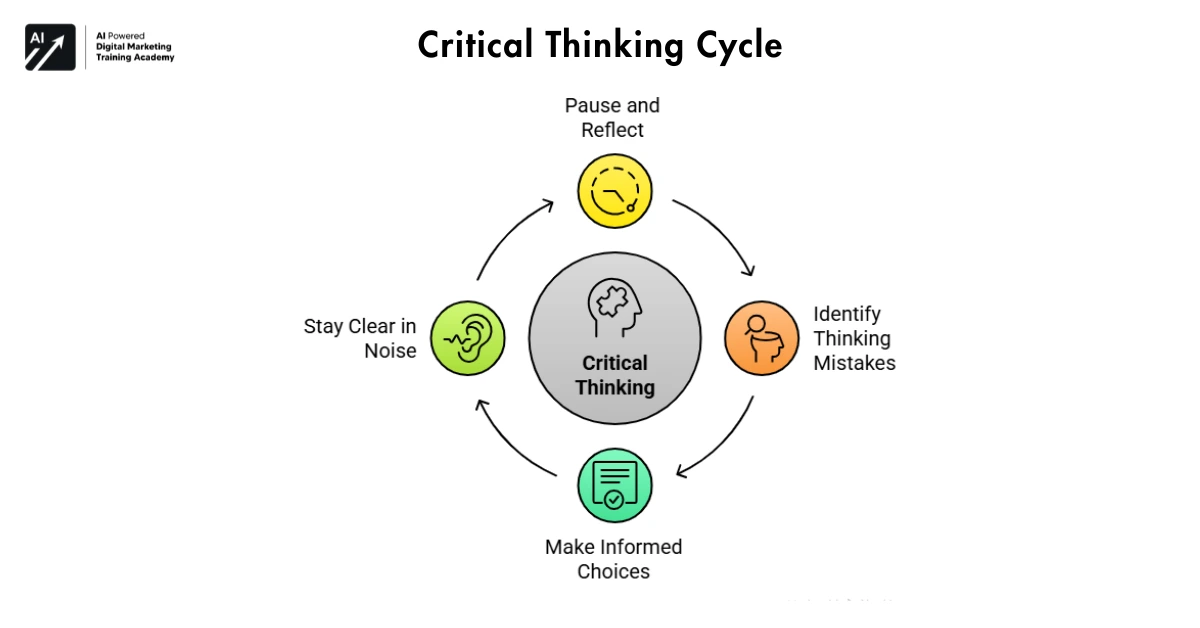 Many problems in life do not happen because people do not know enough. Instead, they happen because people do not think clearly. When feelings get strong, thinking gets rushed.
Critical thinking helps you pause and understand better. You take a moment to think first. That small pause helps you make better choices.
Spotting Thinking Mistakes
Our brain likes quick answers. Easy answers are not always right.
Some common thinking mistakes are:
- Thinking the past will always repeat
- Believing someone just because they sound confident
- Letting fear or anger control choices
Seeing mistakes helps you not repeat them.
Making Choices When You Are Not Sure
Life does not always give clear answers. Many choices feel confusing. Critical thinking helps you stay calm.
It helps you:
- Think about risks without fear
- Accept that you cannot know everything
- Choose what is best, not what is perfect
This helps you choose without stress.
Staying Clear in a Noisy World
Everyone has opinions. News, phones, and people talk all the time.
Clear thinking helps you:
- Ask questions before believing something
- Know what fact is and what is feeling.
- Stay calm when others panic
Critical thinking helps you stay steady in a loud world.
Creativity – Turn Ideas into Real Work
Many people think creativity is a special talent. It is not. The more you try the better creativity gets. Many people think of ideas but do nothing. Creativity grows when you try, not when you wait.
Why Ideas Get Stuck
Ideas do not stop. Fear stops them.
- Fear of being laughed at
- Fear of making mistakes
- Fear of not being good enough
When fear becomes smaller, ideas start moving again.
Creating a Simple Routine
You do not need big ideas every day. You only need to show up.
- Small work builds confidence
- Daily practice builds habit
- Practice makes work better
Creativity grows when you focus on doing, not on being perfect.
Sharing Your Work
You grow when you share what you make.
- Feedback helps you learn
- Mistakes help you improve
- Sharing builds courage
The more you create, the easier it feels.
Self-Help – Change How You See Yourself
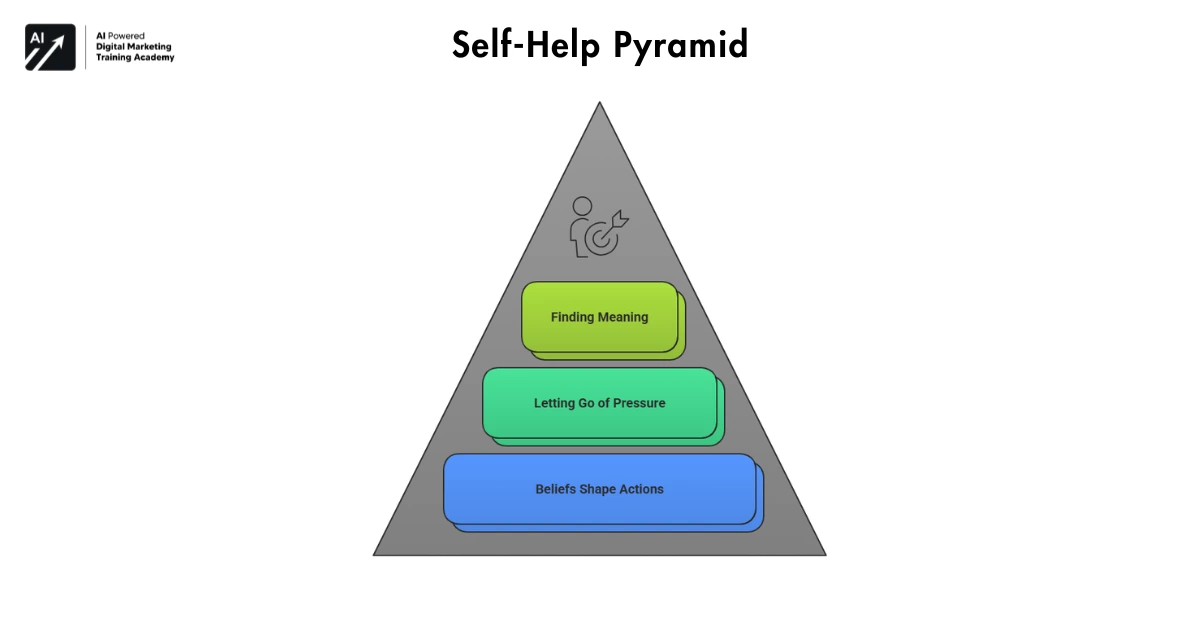 Self-help is not magic. It does not fix everything fast. Real self-help helps you understand yourself better and make better choices. Real change starts inside you.
How Beliefs Shape Your Actions
- What you believe guides what you do.
- Beliefs decide what feels possible
- Beliefs decide what feels safe
- Beliefs decide what feels worth trying
When beliefs change, actions change too.
Letting Go of Outside Pressure
Many people live to please others.
- Family pressure
- Social pressure
- Pressure from comparison
Peace comes when you stop pleasing others and choose yourself.
Finding Meaning and Direction
Meaning gives strength.
- Direction reduces fear
- Purpose builds confidence
- Clear goals help you decide
When you know why you move forward, motivation comes naturally.
Final Thoughts – Skills Grow Over Time
Talent may start the journey, but skills decide the path. Skills grow slowly. Doing a little every day leads to big changes. You do not need to rush or do everything.
Just start:
- Pick one skill
- Read one book slowly
- Use one idea each day
When thinking changes, actions change. When actions change, life changes.