


With the cluttered digital environment we live in, there is no room for website performance errors and security issues these days
It’s simply not the solution that works when a site is ready to go beyond a more traditional hosting package.
This is where Cloud Hosting Services comes in a robust, flexible and scalable hosting solution that caters to modern websites and applications
Whether you are a blogger entrepreneur or a developer creating the next big thing in tech understanding cloud hosting is important when it comes to selecting your best option for web hosting
Understanding Cloud Hosting
What is Cloud Hosting Services
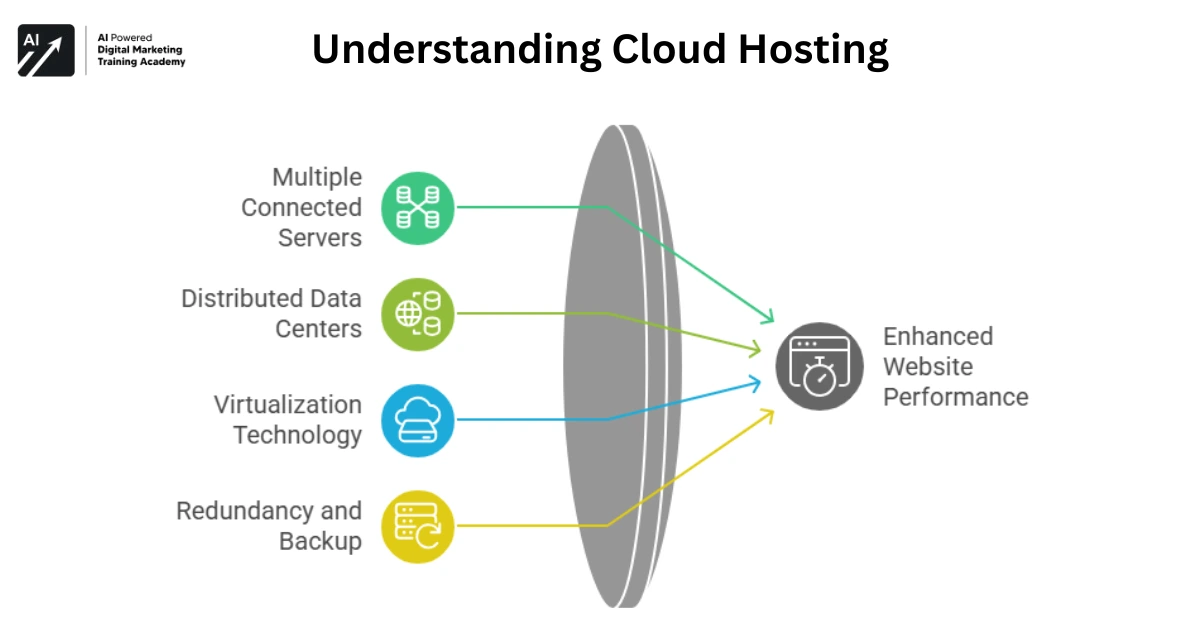
Cloud Hosting Services is a web hosting type that uses numerous connected servers often distributed throughout multiple data centers
and perhaps even across different regions on occasion to host websites & applications. Unlike conventional hosting (shared or dedicated)



cloud hosting distributes your website across multiple connected servers.
That system provides better up time, faster performance and more redundancy.
How Cloud Hosting Services Works
So picture your website not being on a single physical server but instead spread across an army of virtual servers.
These servers gather resources from a number of physical machines to work as one big machine
So, if one server crashes or is swarmed with an immunity challenge of traffic spikes from your site going viral on Sharknado Day another takes over keeping your site live.
Benefits of Cloud Hosting Services
High Reliability and Uptime
In cloud-hosting, your website will be accessible as long as only one out of many servers is working.
This decentralized architecture prevents the “single point of failure” that is a weakness in shared or dedicated hosting
Scalability On-Demand
Anticipating a burst of visitors during product release?
No problem. Cloud Hosting Services makes it easy to up or downgrade resources such as CPU, RAM, and bandwidth.
That way, you only pay for what you consume and it’s very efficient
Faster Website Load Speeds
Your content is served to your user from the closest server location, speeding load time This is particularly useful in the context of a worldwide audience.
Stronger Security
Majority of the cloud hosting services provide added security, with options to encrypt data, backups and firewall verification.
Some even include DDoS protection directly in the box
Cost-Efficiency
Whilst more expensive than shared hosting, cloud can be cheaper as you pay for what you use with the ‘pay-as-you-go’ pricing structure.
You won’t have to pay for resources you’re not using, or purchase physical infrastructure
Types of Cloud Hosting Services
Public Cloud Hosting Services
The lowest level where your website is hosted on the same server as many other websites.
At providers such as Google Cloud, AWS and Azure you can get scaling plans for websites that are starting to grow or startups
Private Cloud Hosting Services
In a particular example of this configuration, the cloud is dedicated to only one organization.
It provides greater control and higher security for companies that have sensitive data or compliance requirements
Hybrid Cloud Hosting Services
Integrates public and private clouds, for the best of each.
Organizations can use a private cloud for sensitive operations while taking advantage of the scale and flexibility that public clouds offer
For whom is cloud hosting appropriate?
E-commerce Sites
Reliability is required due to high traffic, transactions and real time user activity. Uptime and Data Security for Online Stores is Secured by Cloud Hosting
Growing Startups
Since you never know how much traffic next month might bring, cloud hosting is a good fit for those who need flexibility and scalability but without the hassle of switching hosts
Web Developers and Agencies
Working on multiple client projects? Cloud hosting provides you with flexibility and separation between projects this is essential for development environments
Content-heavy Websites
If your website features videos, blogs, podcasts or courses cloud hosting provides the bandwidth which drive these types of resources.
Cloud Hosting vs Supported Hosting
Shared Hosting
Other web sites share resources on the server.
It’s cheap but has relatively poor performance, scaling and security
Cloud Hosting
Your site resources are spread across several servers,
ensuring higher uptime rates and faster load times while also giving you the ability to manage resource allocation.
It works great for web sites who expect growth
Choosing the Appropriate Cloud Hosting Services Provider
Key Factors to Consider
Uptime Guarantee
Search for companies with a minimum of 99.9% uptime as well. Anything less is a red flag
Customer Support
Select a host with 24/7 live chat or phone support that can help you during panic mode
Scalability Options
Make sure you can scale up and down without having to swap hosts
Pricing Model
Understand how you’re billed. Some are pay-as-you-go others are plans with a fixed monthly rate.
Security Features
Look for SSL certificates, firewall handling, malware scanning and auto backups
The Best Cloud Hosting Providers
Hostinger Cloud Hosting Services
Great for beginners and small businesses. Comes with an intuitive UI, accessible price point and powerful performance
Cloudways
A managed hosting service that runs on top of popular cloud providers such as DigitalOcean, AWS and Google Cloud
SiteGround
Stable, fast and with excellent support. Provides managed cloud solutions for WordPress and enterprise
AWS and Google Cloud
Ideal for developers or large enterprises in need of higher performance. Extremely configurable but a learning process is necessary
How to Get Started with Cloud Hosting Services Step by Step
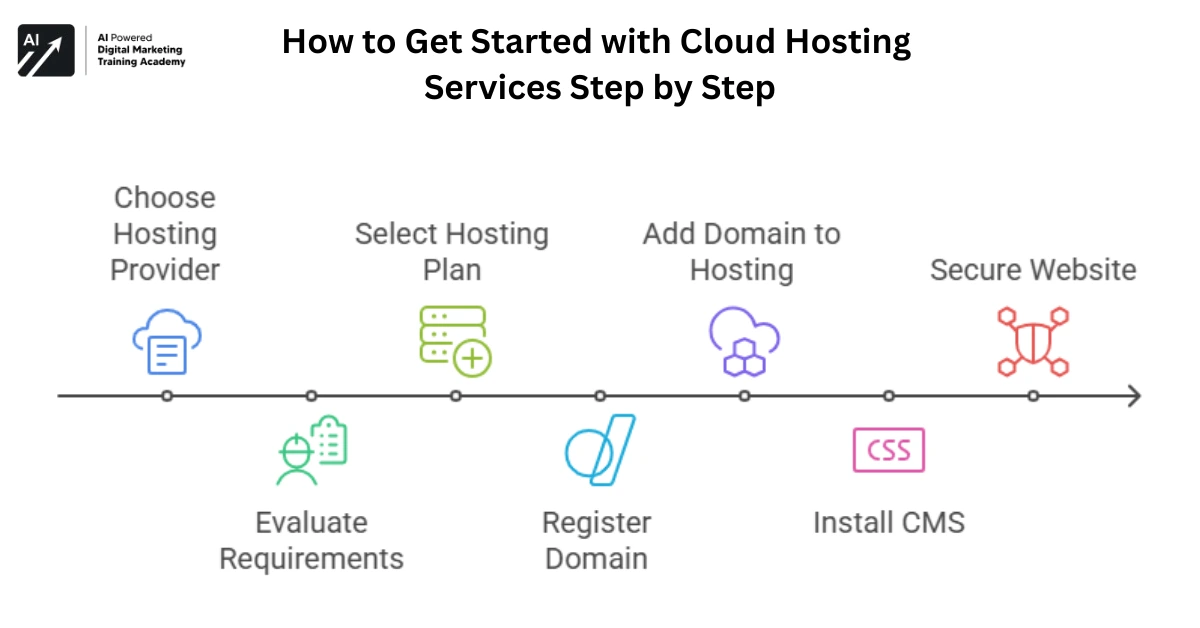
Pick a Hosting Provider First things
Choose a good cloud hosting service, such as Hostinger, Cloudways or AWS according to your requirements
Choose the Right Plan
Before you pick a plan, evaluate your traffic, storage and performance requirements.
Start small you can grow from there
Register a Domain
If your provider does not register domains you can utilize an independent service like Hostinger
How do I Add the Domain Name to Hosting?
Change your domain’s nameservers or DNS records to resolve it to the cloud host.
Install a CMS (like WordPress)
Most providers offer 1-click installs. They’ll be up and running in minutes
Protect Your Website
You can also Get SSL certificate installed Firewalls activated Regular backup enabled
Exclusive Discounts from AIPDMA
- To get Discount for Cloud Startup Offer Link (Click Here and Get 20% off from AIPDMA)
- To get Discount for Cloud Professional Offer Link (Click Here and Get 20% off from AIPDMA)
- To get Discount for Cloud Enterprise Offer Link (Click Here and Get 20% off from AIPDMA)
Final Thoughts
Cloud Hosting isn’t just a fad it’s the future of web hosting.
The fact that it can deliver such incredible reliability, speed and scalability is why we recommend it for more modern websites in 2025
Whether you’re starting a blog, an online store or any number of other web projects,
launching on the cloud means you’re preparing for changing traffic levels and security threats
So if you want your website to remain online, load more quickly and scale seamlessly it’s the perfect time to migrate into the cloud
Comments 1