
Starting a new company can seem thrilling. The thought behind your product seems solid. What stands out is how your brand connects on a deeper level. Getting results quickly can sometimes feel like a boost. Still, making it stick isn’t about the idea alone. What matters more is how the business keeps making money over time.
Here’s what a business model does: it shows where value goes, how money comes in. Who makes payments, that part gets clear. The reason behind payments matters too, along with frequency. Sustainability over months or years also fits here. When these pieces are sorted, expansion stops guessing.
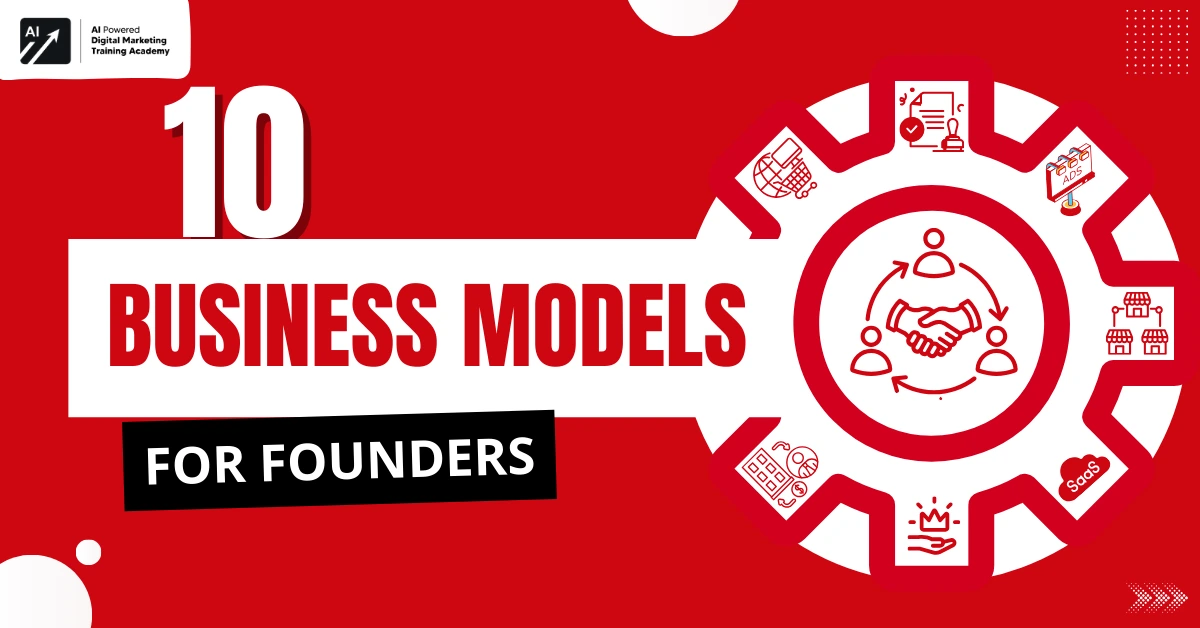
Some fresh startups run into trouble. They pack their products with bells and whistles, yet never quite sort out how they make money. As spending climbs and funds dry up, pressure builds fast. Because of this, knowing the first 10 business models for founders should grasp isn’t just helpful, it’s necessary when trying to grow.
This guide dives into every model, showing more than a definition, it reveals how they work when put to use, along with key points founders might miss when picking one.
Why Revenue Structure Determines Stability
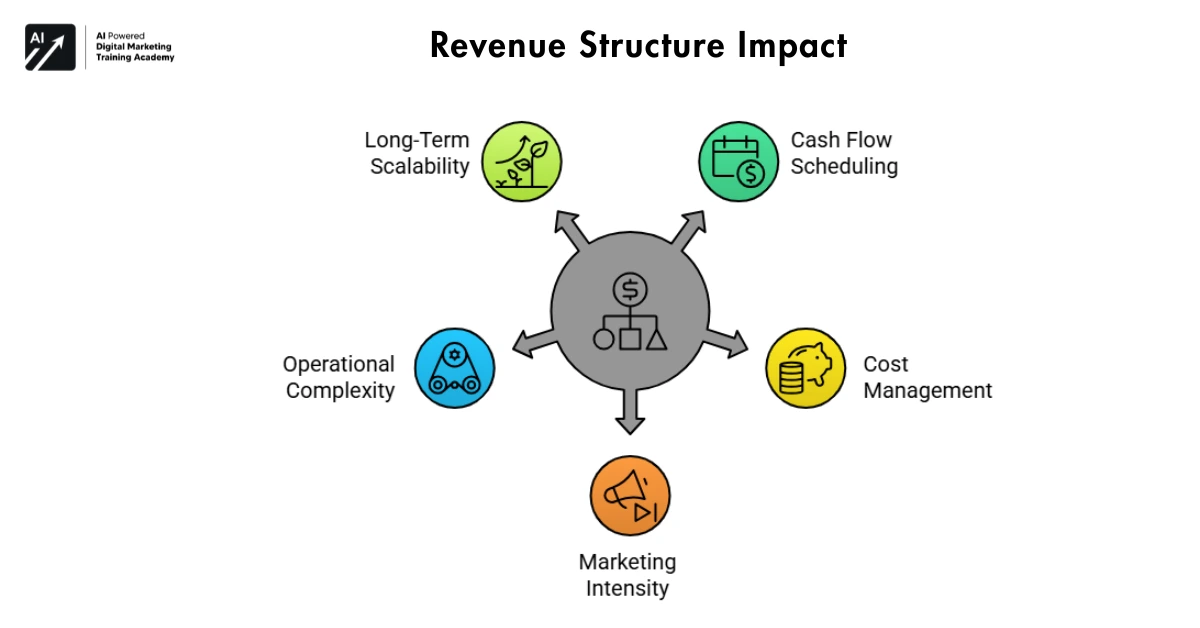 A business model influences:
- Cash flow scheduling
- Cost management
- Marketing intensity
- Operational complexity
- Long-term scalability
When money comes around often, thinking ahead gets simpler. Without steady earnings, the company keeps scrambling for quick fixes instead.
As one experienced investor once stated:




“Users find your product easily. Yet survival depends on the model behind it.”
Here’s what that line shows: traction isn’t the same as sustainability.
Look closely at each model before moving on.
1. Subscription Model
How It Works
People who subscribe must pay a steady cost, often each month or every year, just to use what is offered.
Once someone joins, the company keeps making money not just at first, but every time that person stays onboard.
Real-World Examples
One thing they have in common. Both make money from steady recurring fees instead of single big payments.
Why It Attracts Founders
Cash flow stabilizes under subscription models. Because income returns regularly, predictions grow sharper. Confidence rises in who to bring on board. Now comes the part where spending cash feels less like a risk.
On top of that, signing up boosts how long customers stay around. Not too expensive, yet long-term stays bring real income if people remain years.
What Founders Must Watch
Keeping people around it matters. When they back out fast, steady income vanishes without warning.
Here’s when subscription really fits.
- This solution tackles a real issue that keeps coming up
- Usage happens often enough to be predictable
- Updates or new content are consistent
Nowhere does it shine well under light, occasional, or sporadic use.
2. E-commerce Model
How It Works
Online stores that deal with shopping over the web sell real items straight to people who buy things.
A single deal often kicks it off, yet follow-up buys might pop up especially when what’s sold is regularly used.
Real-World Examples
These platforms built massive ecosystems around digital retail.
Why It Appeals to New Founders
Infrastructure already sits here. Payment gateways sit ready. Logistics links stretch across regions. Most people feel okay buying things on the internet.
Starting up isn’t too tricky when you look at making things or running physical stores. Still, it feels easier here.
The Operational Reality
Even if revenue seems solid, profits rely on how much companies keep after selling their products. What happens with shipping fees, how much gets returned, storage needs, packaging choices, and where ads run all shape profits.
While paywalls bring in steady income, online shopping demands ongoing efforts to draw in new buyers unless what’s sold keeps coming back by itself.
Survival here depends on sticking to operations. That discipline shapes the outcome every time.
3. Franchise Model
How It Works
One business creates an operating setup that works well. It allows separate owners to use the system. These operators pay set costs at beginning, also later through regular payments.
Real-World Examples
Nowhere was consistency more evident than in how these names rolled out across borders always built to identical plans.
What makes it work so well at scale?
Expanding fast? That’s where franchising comes in no need for the main firm to pour money into each store. Costs mostly fall on the people running them.
Nowhere else does the main firm push so hard on both name value and smoother operations.
Critical Requirement
Precision runs through standardization. When it comes to learning teams or checking steps or company rules, staying alike isn’t optional.
It helps most when tasks are easy to record and do again without change.
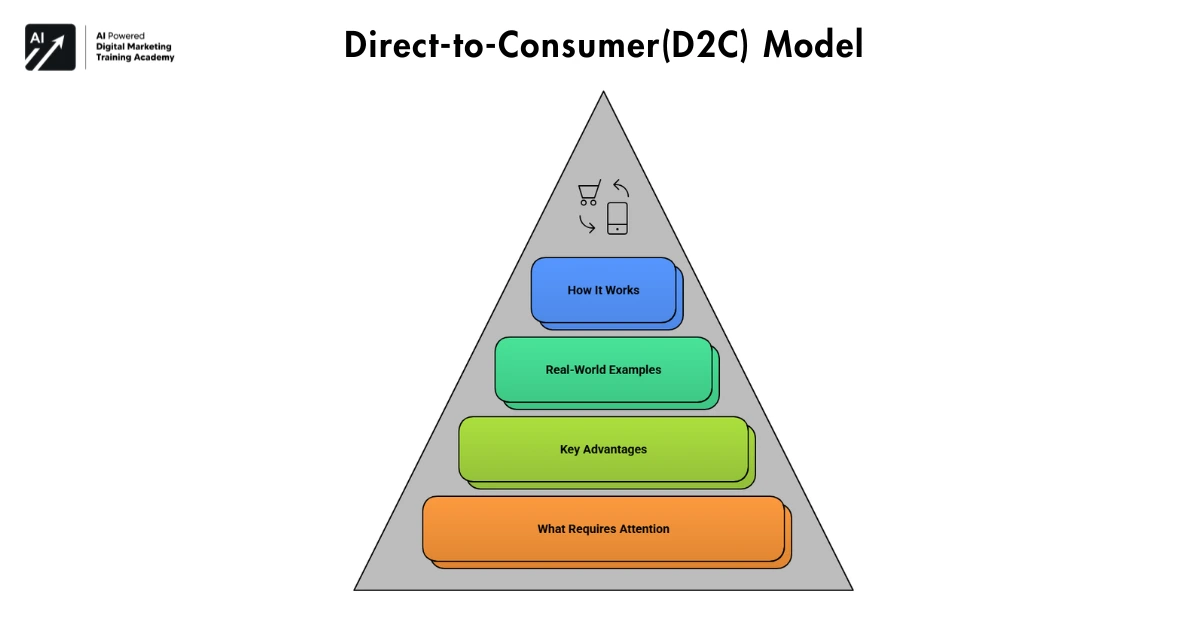
4. Direct-to-Consumer (D2C) Model
 How It Works
One way to reach buyers: skip middlemen entirely. Brands go around them, cutting out layers like shops or wholesalers.
Real-World Examples
These firms earned trust by staying close to buyers themselves.
Key Advantages
Fewer middlemen mean bigger profits. When customers connect straight, messaging shifts toward real-time insights.
What drives expansion often ties back to how the brand is seen. Growth here rests on that core identity.
What Requires Attention
Spending on marketing might add up. The price of bringing in customers should always fall short of what they’re worth over time.
What stands out about D2C is its need for powerful branding, compelling narratives, and strong digital presence. Marketing here demands sharp insight.
5. Ad-Based Model
How It Works
Free access lets people reach content or services. Advertisers fund this model by showing ads to users. Money arrives through those display opportunities.
Real-World Examples
Attention becomes the currency, no fees, just silent value shifts.
Strength of the Model
When more people use the internet, space for ads grows too.
Key Risk
What drives revenue? It hinges on how many people watch and take part. Small numbers mean tiny earnings. Growth changes everything.
Only after gathering plenty of user data might an ad-supported system start making money at all.
6. Freemium Model
How It Works
A starting version of the product comes free. Paying brings access to more tools, hidden behind that entry point.
Right off, this setup pushes people to start using it fast. Trying out the tool comes with no money downside. After seeing what it does, a good number move up to higher tiers.
Real-World Examples
Listening to Spotify comes at no cost, though you get ads. Switch to a paid version, and those commercials vanish, extra tools show up too. Free versions of Notion let teams create workspaces. When team needs grow beyond basic ones, payment steps in for stronger features and business-grade tools.
Why Founders Choose It
What happens next feels almost automatic. Without cost holding people back, more of them join right away.
This setup fits nicely with software offerings since spreading to more users doesn’t raise distribution expenses much.
What Determines Success
What matters most shifts here is the number of people upgrading is now the main signal. When too few users move forward, income might fall short of what it takes to run daily operations.
So, choosing what to show matters. The basic version needs to be useful enough to pull people in, still hold back just enough to make them want more.
With most users trying it out, the free version tends to attract attention first. Once people stick around long enough, payment becomes less of a hurdle since subscriptions bring steady income each month. That kind of ongoing charge makes it easier to rely on someone staying after they’ve seen what it does.
7. SaaS (Software as a Service) Model
How It Works
Out in the cloud, SaaS serves software without needing local installs. Instead of placing it on desktops, users reach it via internet connections. Revenue flows in regularly, built around repeat payments.
Real-World Examples
What stands out is how these tools keep working without stopping. Instead of selling programs once, they offer constant support.
What makes it so scalable?
With SaaS, spreading costs to new customers becomes much easier. After setup, serving additional users lifts little weight on core expenses. Growth here does not drag down efficiency.
What helps SaaS stand out is how well it handles growth. Investors notice that. Founders who prioritize scaling find it fits their needs.
Operational Requirements
Still, getting the tech right matters. When things stop working, trust slips fast. Weak spots in security open big dangers.
Still, building new products matters just as much. When software stands still, it loses value fast.
When it comes to software as a service, handling complex setups tends to rise. Technical know-how matters more here than in many traditional deals. Yet flexibility in growing usage usually outpaces similar options elsewhere.
8. Marketplace Model
How It Works
Buyers meet sellers through online marketplaces. Inventory usually stays with the seller, not the platform. Money comes to the platform only when deals close, in the form of service fees.
Real-World Example
Millions of people now trade across these digital spaces.
Why It Can Grow Rapidly
When sellers pile into a marketplace, shoppers find bigger pools of options. Fewer shoppers? Less room for sellers to stand out. Each new buyer pulls in another seller through shared attention. Growth on one side pulls the other along behind it.
Once in motion, such patterns feed on themselves, building momentum over time.
Early-Stage Difficulty
Still, getting started isn’t easy. Starting out, founders need to pull in both buyers and sellers at once. If there are no sellers, the interest from buyers drops fast. When there’s no one to buy, sellers tend to hold back.
What holds things together? Clear trust systems. Protection for payments matters too. Policies that aren’t hidden they keep things steady.
Unlike D2C operators, who lead with narrative, marketplaces demand attention to system balance instead.
9. Aggregator Model
 How It Works
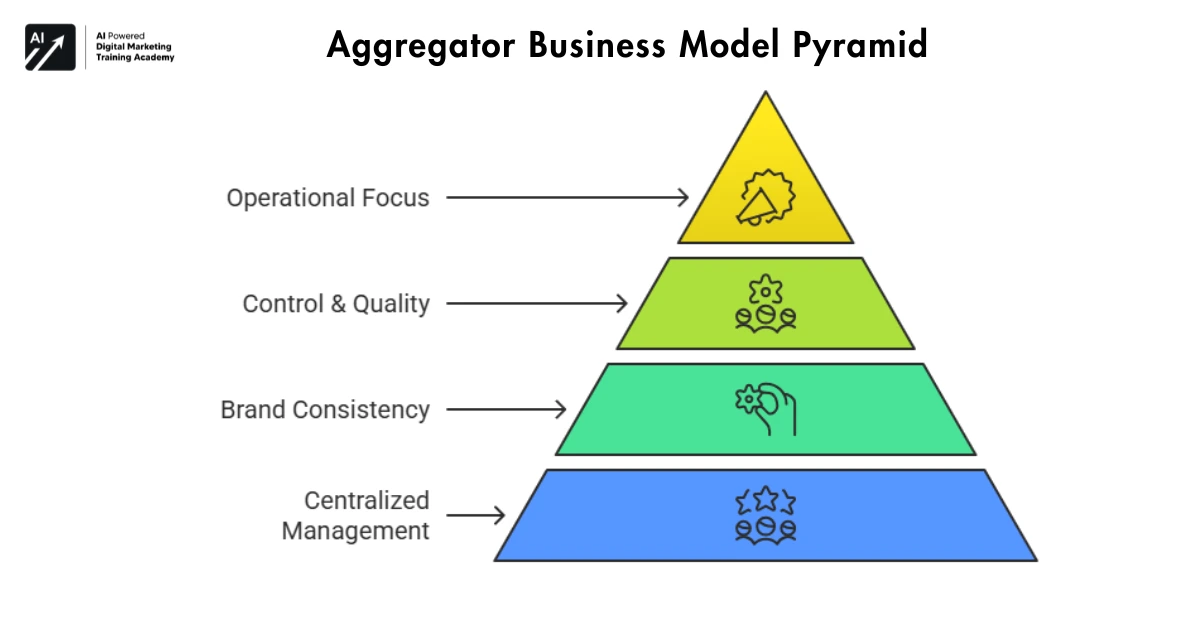
A single name ties many service options together. Price rules, how things work, plus contact points stay managed by that central setup.
Real-World Example
Even when different people run things, a clear brand shapes how everything feels.
What sets it apart
Control runs deeper inside aggregators than in open markets. Central hubs manage pricing rules, strict quality marks, along with how users feel about the service.
With this setup, things run smoother because patterns stay aligned.
Operational Focus
What builds a strong bond? Consistent service that keeps people confident in the system. Different companies may deliver it, yet reliability holds everything together.
Even without physical assets, aggregator models rely on careful oversight. Keeping a close eye on operations helps guard what the brand stands for.
10. Licensing Model
How It Works
When a business or person gets permission to use someone else’s intellectual property, it usually means they pay part of what they make back to the owner. That payment is called a royalty.
Intellectual property covers things like software, patented tech, trademarks, or secret systems.
Real-World Example
Worldwide, Microsoft rents out its Windows software to users.
Why It Can Be Profitable
After creation, intellectual property can bring steady returns through licensing this method asks less of operational effort. Starting out, spending nearly nothing on products makes digital ventures different from companies selling tangible items.
What Is Required
Protection under law matters most. Intellectual property, patents, trademarks, copyrights keep income safe. When it comes to ideas that aren’t easily copied like patents or trademarks, licensing makes sense. It fits. With SaaS, support usually comes built in. Licensing deals hand over access though often missing follow-up care.
Comparing Business Model Characteristics
Even though every one of these 10 Business Models for Founders works in its own way, certain patterns start to show up when looking at their structure.
Recurring Revenue Models
Recurring revenue shows up when subscriptions, software-as-a-service, or freemium setups take hold. Predictability grows here, catching attention from investors along the way.
Transaction-Based Models
One sale at a time feeds most online stores. Money flows fast when people buy often. What counts is how many items move through each day.
Asset-Light Models
Scaling usually isn’t tied to building new data centers when you go with SaaS, aggregators, or marketplaces. Licensing models follow much the same pattern.
Asset-Heavy Models
Franchises and some online stores need stock, property, or workspace to run. What sets them apart becomes clear when matching personal abilities to business form.
Choosing the Right Business Model
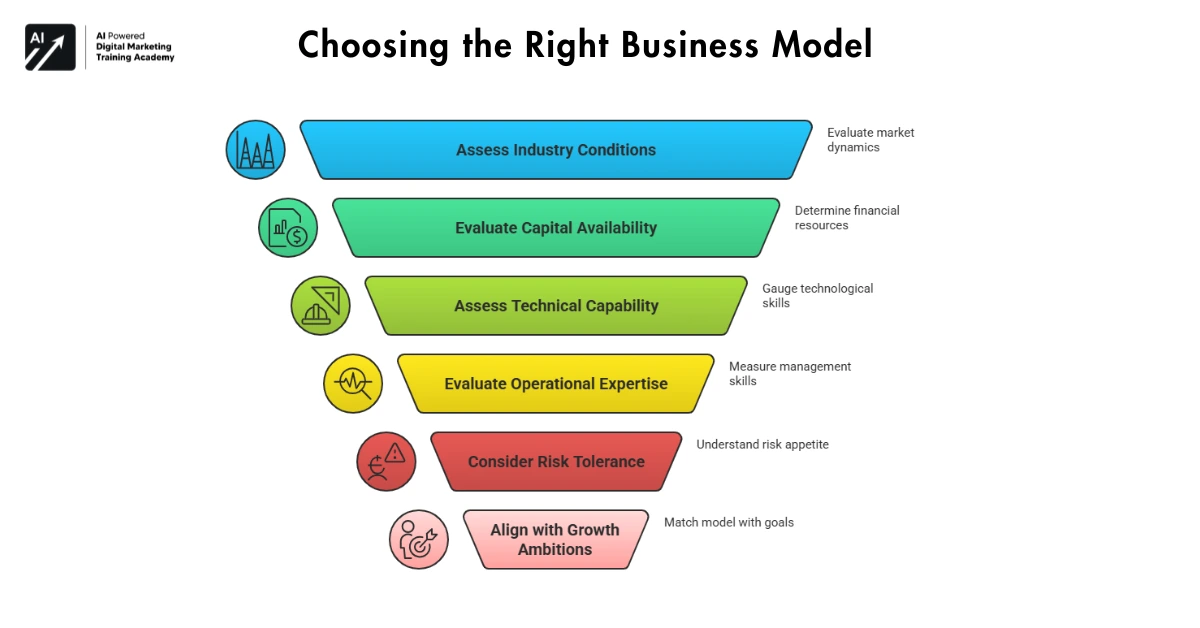 Picking from the 10 Business Models for Founders means carefully looking at
- Industry conditions
- Capital availability
- Technical capability
- Operational expertise
- Risk tolerance
- Growth ambitions
Starting out with little money, a tech founder often picks SaaS because it fits better with tight budgets.
A person who focuses on how things operate might pick a franchise option or go with an online store. One thing stands out, founders who lead with brands often shine brightest in direct-to-consumer spaces.
Success never comes from a model. What keeps things alive is proper fit.
A leader who’s handled tough calls put it simply:
“Pick the model that fits how well you do things, instead of going for showiness”.
That tip cuts down on pointless shifts.
Final Thought
Faster moves often blind leaders to revenue roots. Growth sputters when income shifts unpredictably. Pressure builds as plans waver out of sync.
Yet once founders really dig into the 10 Business Models for Founders, things start making sense. Clarity shows up in how they build. Money flows where it’s meant to go. Spending gets tracked, not guessed. Growing happens step by step instead of by surprise.
What stands out grab eyes first. A solid foundation keeps momentum going.
Understanding these 10 Business Models for Founders transforms ambition into deliberate strategy.
Design carefully. Evaluate realistically. Build with structure.